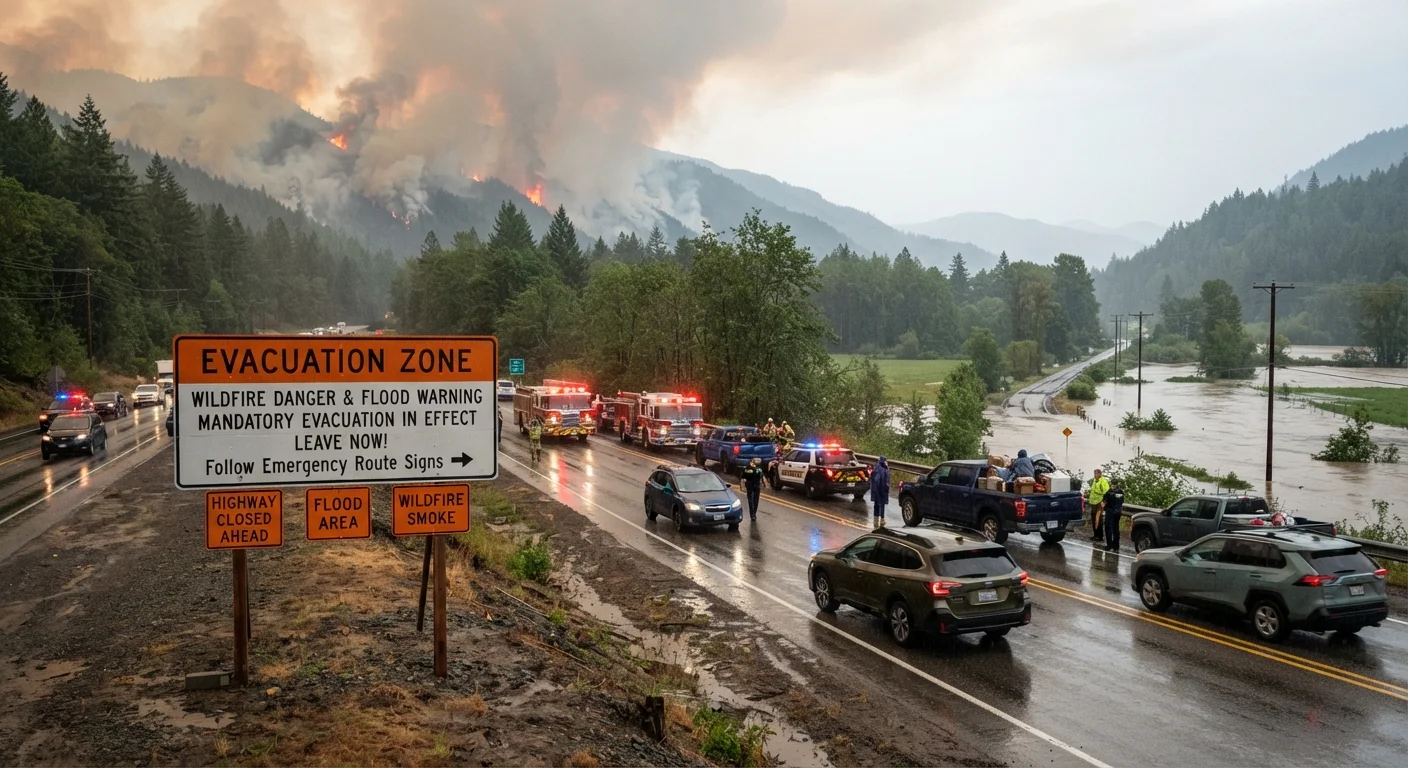
Families forced to evacuate due to a wildfire or flood have two genuinely distinct paths to food assistance depending on their situation: existing SNAP recipients can request replacement benefits for food lost during the evacuation, generally within a 10-day window that states routinely extend during active disasters, while newly affected households, including many who don't normally qualify for SNAP, may become eligible through D-SNAP if a federal disaster declaration is issued.
This guide is independently written and is not affiliated with USDA, OPM, or the official federal Feds Feed Families campaign.
Replacement Benefits: The First Thing to Check
If you already receive SNAP and lost food due to an evacuation, whether from spoilage during a power outage, a fire, or flood damage to your home, you can request replacement benefits covering the value of that food, up to your household's monthly SNAP benefit amount. This process is distinct from D-SNAP and doesn't require a federal disaster declaration, only a documented household misfortune reported to your state agency.
The 10-Day Window and How States Extend It
- Replacement Benefits: The First Thing to Check
- The 10-Day Window and How States Extend It
- How to Request Replacement Benefits
- D-SNAP for Households Newly Affected
- Applying Even If You're Not a Current SNAP Recipient
- Temporary Hot Food Purchases
- If You Evacuate to a Different County or State
- Community Organizations Can Help Navigate the Process
- FAQ
- How do I get my SNAP food replaced after evacuating from a wildfire or flood?
- Can I get food assistance if I don't normally qualify for SNAP but I was evacuated?
- Can I use SNAP for hot food if I don't have a working kitchen after evacuating?
- What if I evacuated to a different county within my state?
Federal rules generally require reporting food loss within 10 days to request replacement, but states routinely request and receive a waiver of this reporting requirement during an active wildfire or flood event, extending the window considerably. New Mexico, for example, extended its deadline to request replacement benefits following the McCauley Springs Fire specifically to give evacuated households more time to recover before the reporting window closed. Because these extensions are announced state by state and disaster by disaster, checking your specific state's current SNAP agency announcements is worth doing rather than assuming a fixed 10-day deadline applies universally during an active event.
How to Request Replacement Benefits
The process generally involves calling your state's SNAP or human services hotline directly, and many states now accept a telephonic signature for these requests, meaning you can complete the entire process by phone without needing to visit an office in person, a meaningful accommodation given how disruptive an evacuation already is.
D-SNAP for Households Newly Affected
If a wildfire or flood results in a federal disaster declaration with individual assistance, D-SNAP may become available, providing a full month of benefits equal to the maximum allotment for your household size, calculated using a disaster-specific test based on your income, accessible resources, and disaster-related expenses during a defined period, rather than your standard monthly income. This can make households who don't normally qualify for regular SNAP eligible during this specific period, since the test accounts for the real financial impact of evacuation, property damage, and displacement.
Recommended Articles
 LIFE SITUATIONS & SPECIAL CIRCUMSTANCES
 LIFE SITUATIONS & SPECIAL CIRCUMSTANCES
 LIFE SITUATIONS & SPECIAL CIRCUMSTANCES
 LIFE SITUATIONS & SPECIAL CIRCUMSTANCES
Applying Even If You're Not a Current SNAP Recipient
You do not need to already receive SNAP to apply for D-SNAP, and if you do already receive regular SNAP, you can potentially receive D-SNAP benefits in addition, since the two serve genuinely different purposes during a disaster.
Temporary Hot Food Purchases
Many households evacuated by a wildfire or flood don't have access to a working kitchen, whether staying in a hotel, a shelter, or with family. States can request and receive a waiver allowing SNAP recipients to temporarily use their EBT card to buy hot, ready-to-eat food during an active disaster period, recognizing this practical reality directly.
If You Evacuate to a Different County or State
Households displaced across county lines within the same state generally continue to be served, with the county where you're currently sheltering able to assist even if your active case is technically in a different county, and this coordination is required regardless of which local computer system or administrative region each county uses. If you've evacuated across state lines entirely, your situation is closer to a standard interstate move, and contacting both your original state's agency and your new location's agency is worth doing to understand your specific options during this transitional period.
Community Organizations Can Help Navigate the Process
During major wildfire and flood events, local organizations like Catholic Charities chapters have specifically stepped in to help affected households navigate the replacement benefits process and meet reporting deadlines, recognizing that this kind of paperwork is often the last thing an evacuated family has the capacity to manage on their own. Asking 211 or a local disaster relief organization whether this kind of hands-on help is available in your specific area is worth doing.
Read More Articals
FAQ
How do I get my SNAP food replaced after evacuating from a wildfire or flood?
Report the food loss to your state SNAP agency, generally within 10 days, though states routinely extend this window during active disasters. Many states accept phone requests with a telephonic signature.
Can I get food assistance if I don't normally qualify for SNAP but I was evacuated?
Potentially, yes, through D-SNAP, which uses a disaster-specific eligibility test and becomes available if a federal disaster declaration with individual assistance is issued for your area.
Can I use SNAP for hot food if I don't have a working kitchen after evacuating?
In some cases, yes. States can receive a temporary waiver allowing SNAP recipients to buy hot, prepared food during an active disaster period.
What if I evacuated to a different county within my state?
Counties statewide are generally required to serve displaced households with an active case in the disaster-affected area, regardless of which computer system or administrative region each county uses.
Sources: New Mexico Health Care Authority, Louisiana Department of Health D-SNAP program, USDA Food and Nutrition Administration disaster response pages, Legal Services of Northern California CalFresh Guide.