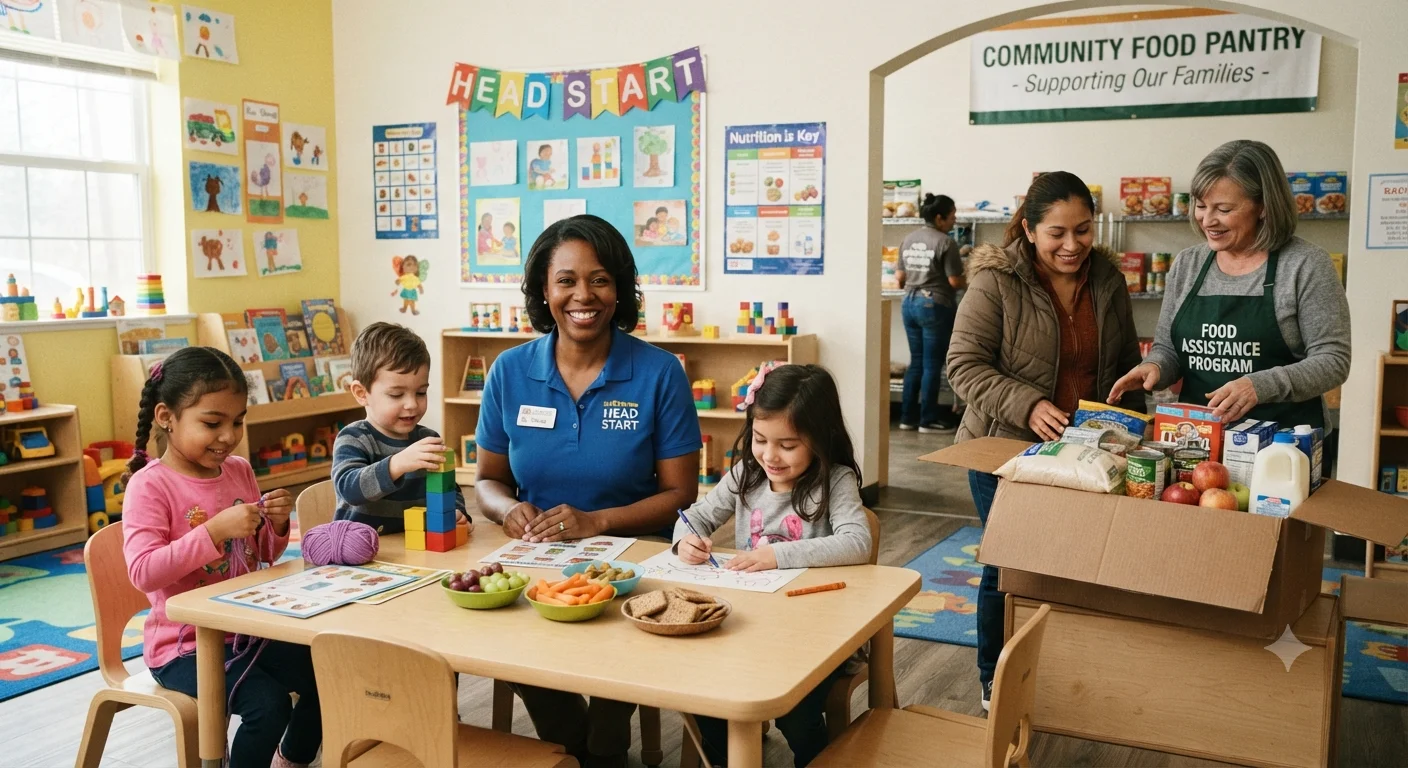
Head Start is a federal early childhood program that provides free meals, nutrition screening, and health services to income-eligible children from birth to age 5, in addition to its core early education services. Children in households already receiving SNAP or TANF are automatically eligible for Head Start, and enrollment in Head Start can, in turn, help identify families for other food assistance programs they may not know they qualify for.
This guide is independently written and is not affiliated with USDA, OPM, or the official federal Feds Feed Families campaign.
What Head Start Provides
Head Start is best known as an early childhood education program, but it also includes a substantial nutrition and health component. Depending on the length of the program day, Head Start centers provide free breakfast, lunch, and sometimes snacks to enrolled children, meeting nutrition standards set by the USDA's Child and Adult Care Food Program. Beyond meals, Head Start also includes:
- Nutrition screening and education for children and families
- Health and developmental screenings
- Referrals to other social services, including food assistance programs
- Family support services, sometimes including help navigating SNAP, WIC, or Medicaid applications
Early Head Start extends similar services to infants, toddlers, and pregnant women, focusing on the earliest years of development alongside nutrition support.
Who Qualifies for Head Start
- What Head Start Provides
- Who Qualifies for Head Start
- How Head Start Connects Families to Other Food Programs
- How to Apply
- Waitlists and Availability
- FAQ
- Does Head Start provide free meals?
- Who is eligible for Head Start?
- Can Head Start help me apply for other food assistance programs?
- How do I find a Head Start program near me?
Head Start eligibility is primarily based on household income, generally at or below the federal poverty level, though most programs reserve at least 10 percent of enrollment slots for children with disabilities regardless of income, and up to 35 percent of slots can go to families with income up to 130 percent of the poverty level. Households that already receive SNAP, TANF, or SSI, or that include a child in foster care or experiencing homelessness, are typically categorically eligible regardless of income.
How Head Start Connects Families to Other Food Programs
Because Head Start programs work closely with enrolled families and often employ family services staff specifically trained to help navigate public benefits, many centers actively assist parents in applying for SNAP, WIC, and Medicaid if they appear eligible but haven't yet applied. This connective role is one of the more underused aspects of the program, since a family focused primarily on early education access may not realize the same enrollment process can open the door to broader food assistance.
Recommended Articles
 SCHOOL CHILD NUTRITION PROGRAMS
 SCHOOL CHILD NUTRITION PROGRAMS
 SCHOOL CHILD NUTRITION PROGRAMS
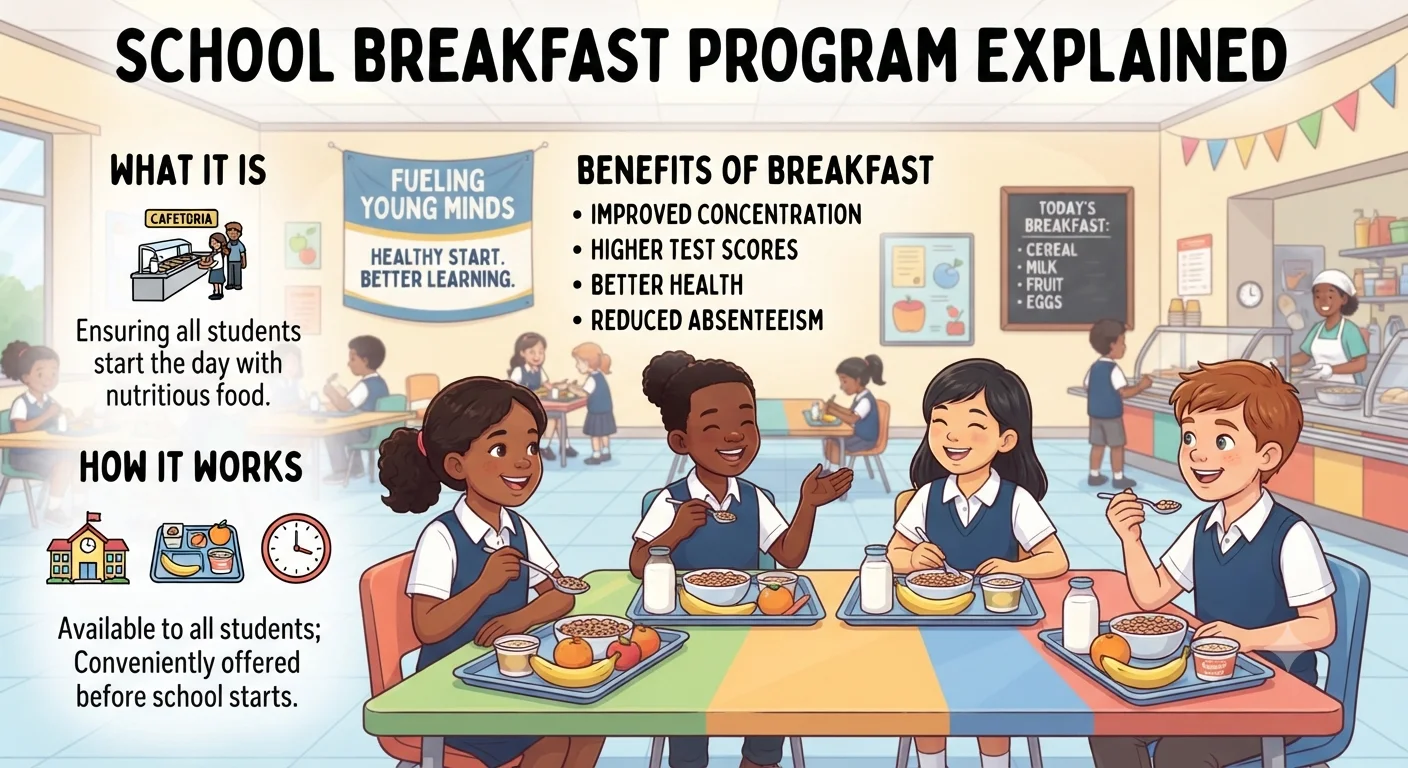 SCHOOL CHILD NUTRITION PROGRAMS
How to Apply
Head Start is administered locally through grantee agencies, which can be a school district, nonprofit organization, or community action agency, rather than through a single national application. To apply:
- Search "Head Start [your county or city]" or use the national Head Start locator to find your local program
- Contact the program directly to ask about current openings, since enrollment periods and waitlists vary significantly by location
- Provide proof of income, or documentation of categorical eligibility such as a SNAP or TANF award letter, along with your child's birth certificate and immunization records
- Complete any required intake interview or home visit, which many programs use to also assess broader family needs
Waitlists and Availability
Head Start funding is limited, and many local programs maintain waitlists, particularly in high-demand areas. Applying as early as possible, even before you're certain your child will attend, is generally a good strategy, since spots can open up throughout the year as other families move or their circumstances change.
Read More Articals
FAQ
Does Head Start provide free meals?
Yes. Most Head Start centers provide free breakfast, lunch, and sometimes snacks to enrolled children, meeting USDA nutrition standards.
Who is eligible for Head Start?
Primarily children from households at or below the federal poverty level, though categorical eligibility applies to households receiving SNAP, TANF, or SSI, and priority slots exist for children with disabilities or in foster care.
Can Head Start help me apply for other food assistance programs?
Many Head Start centers employ family services staff who can help enrolled families apply for SNAP, WIC, or Medicaid if they appear eligible but haven't yet applied.
How do I find a Head Start program near me?
Search "Head Start" along with your city or county, or use the national Head Start locator tool, since programs are administered locally rather than through a single national application.
Sources: U.S. Department of Health and Human Services Office of Head Start, USDA Food and Nutrition Administration Child and Adult Care Food Program guidance.