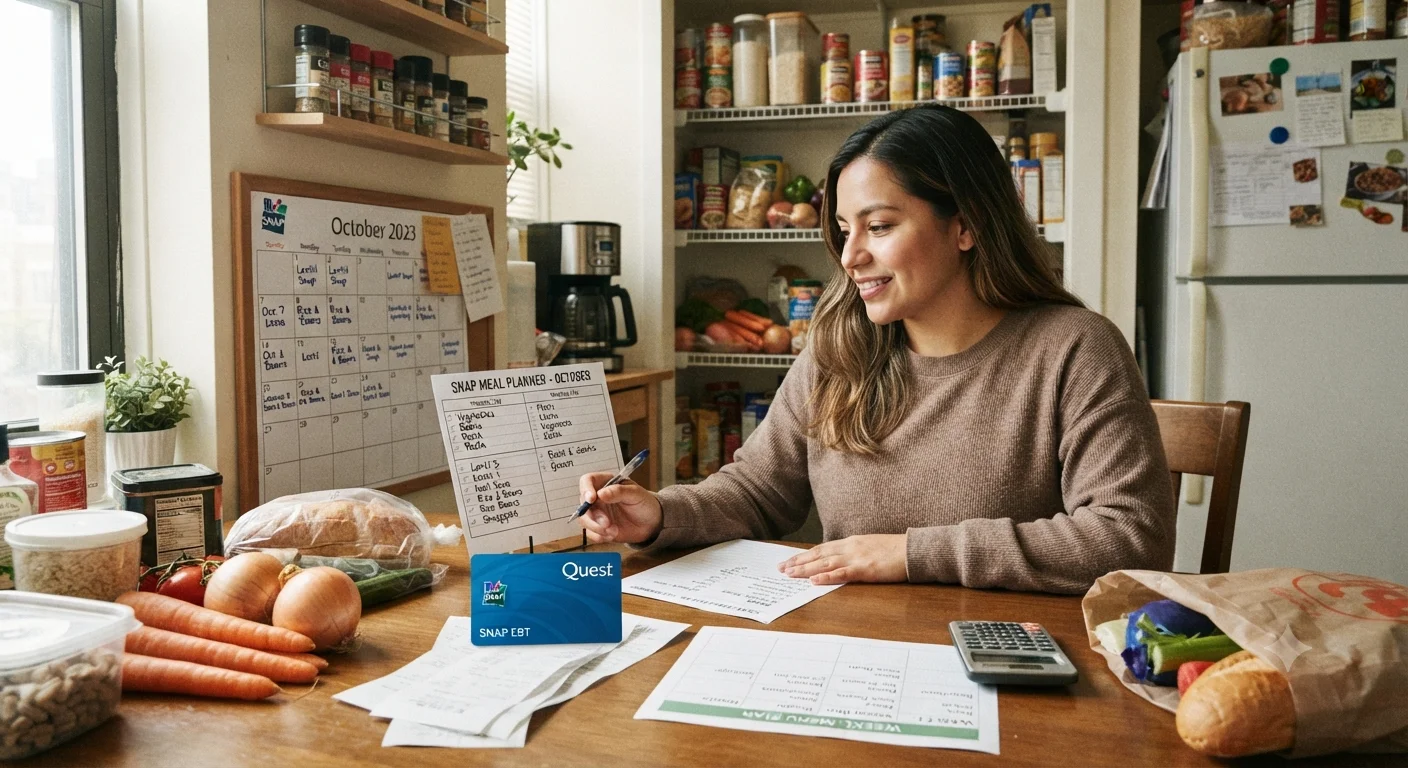
The most effective way to make SNAP benefits last the full month is to plan meals in advance around a fixed weekly budget, buy shelf-stable staples in bulk early in the month, and save a portion of the benefit specifically for the final week since many households run out of SNAP benefits well before their next deposit simply because they spend unevenly across the month.
This guide is independently written and is not affiliated with USDA, OPM, or the official federal "Feds Feed Families" campaign.
Plan Meals Around Your Deposit Date
SNAP benefits deposit on a fixed schedule each month, and it's common for spending to spike right after a deposit and run short by the third or fourth week. Dividing your total monthly benefit into four roughly equal weekly amounts and tracking spending against that number helps prevent the common pattern of running out with a week or more left before the next deposit.
Buy in Bulk Strategically
- Plan Meals Around Your Deposit Date
- Buy in Bulk Strategically
- Best Stores for SNAP Stretching
- Freezing & Batch Cooking
- Avoiding Common Budget Traps
- FAQ
- How can I make my food stamps last longer?
- Why do I keep running out of SNAP benefits before the end of the month?
- Is it better to buy in bulk with SNAP benefits?
- Can I check my SNAP balance to avoid overspending?
Not everything benefits from bulk buying, but shelf-stable staples generally do:
- Rice, dried beans, pasta, and oats keep for months or years and typically cost less per pound in larger packages.
- Frozen meat and vegetables can be bought in bulk when on sale and portioned into freezer bags for use throughout the month.
- Perishables like fresh produce, milk, and bread are better bought in smaller quantities more frequently, since buying too much risks spoilage and wasted benefits.
Best Stores for SNAP Stretching
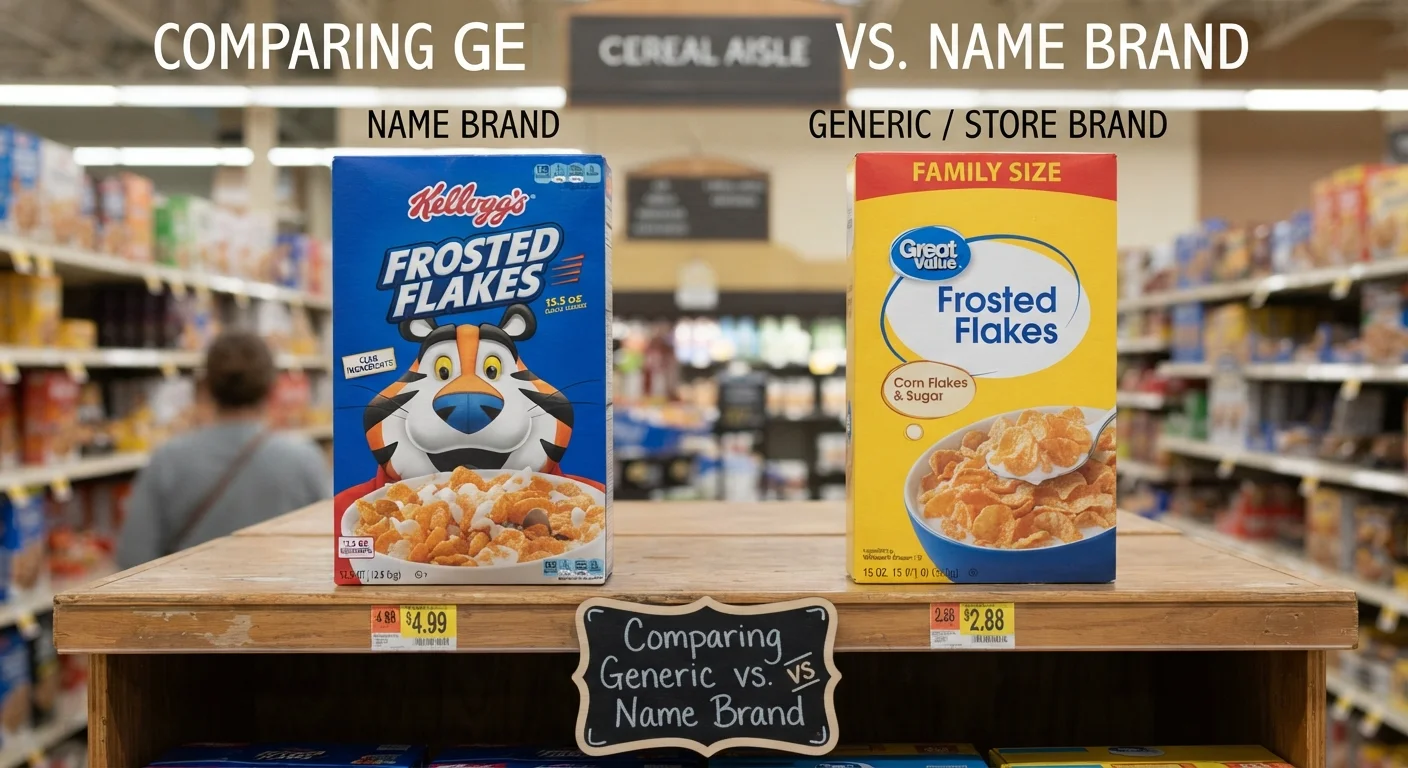
Discount grocery chains and warehouse-style stores typically offer lower per-unit prices than standard supermarkets, and many accept SNAP/EBT. Comparing unit prices (cost per ounce or pound, usually listed on the shelf tag) rather than the total package price is one of the most reliable ways to identify the better deal between two similar products. Store loyalty programs and digital coupons, which are free to use, can meaningfully lower the total at checkout without requiring extra spending.
Recommended Articles
 BUDGETING MEAL PLANNING
 BUDGETING MEAL PLANNING
 BUDGETING MEAL PLANNING
 BUDGETING MEAL PLANNING
Freezing & Batch Cooking
Cooking large batches of rice, beans, soups, or casseroles early in the month and freezing individual portions accomplishes two things: it reduces the temptation to buy convenience food later in the month, and it locks in the lower per-serving cost of bulk cooking before the budget gets tight in the final week.
Avoiding Common Budget Traps
- Buying convenience and pre-packaged foods early in the month, which cost significantly more per serving than cooking from staples, leaving less for the back half of the month.
- Shopping without a list, which studies on grocery spending consistently show leads to a meaningfully higher total at checkout due to impulse purchases.
- Not tracking the remaining balance, which makes it easy to lose track of how much is actually left until a purchase is unexpectedly declined at the register.
- Letting fresh produce spoil, which wastes both food and the benefit dollars spent on it buying smaller amounts more frequently reduces this risk.
Read More Articals
FAQ
How can I make my food stamps last longer?
Divide your monthly benefit into equal weekly amounts, buy shelf-stable staples in bulk early in the month, cook and freeze meals in batches, and track your remaining balance regularly.
Why do I keep running out of SNAP benefits before the end of the month?
This is usually caused by uneven spending buying more convenience or perishable food right after the deposit date and not budgeting the remaining weeks separately.
Is it better to buy in bulk with SNAP benefits?
For shelf-stable staples like rice, beans, and pasta, yes. For perishables, smaller and more frequent purchases usually reduce waste and stretch the benefit further.
Can I check my SNAP balance to avoid overspending?
Yes checking your balance through your state's EBT app, phone line, or receipt after each purchase is one of the most effective ways to stay on track through the month.
Sources: USDA Food and Nutrition Administration (fna.usda.gov), Consumer Reports grocery savings research.