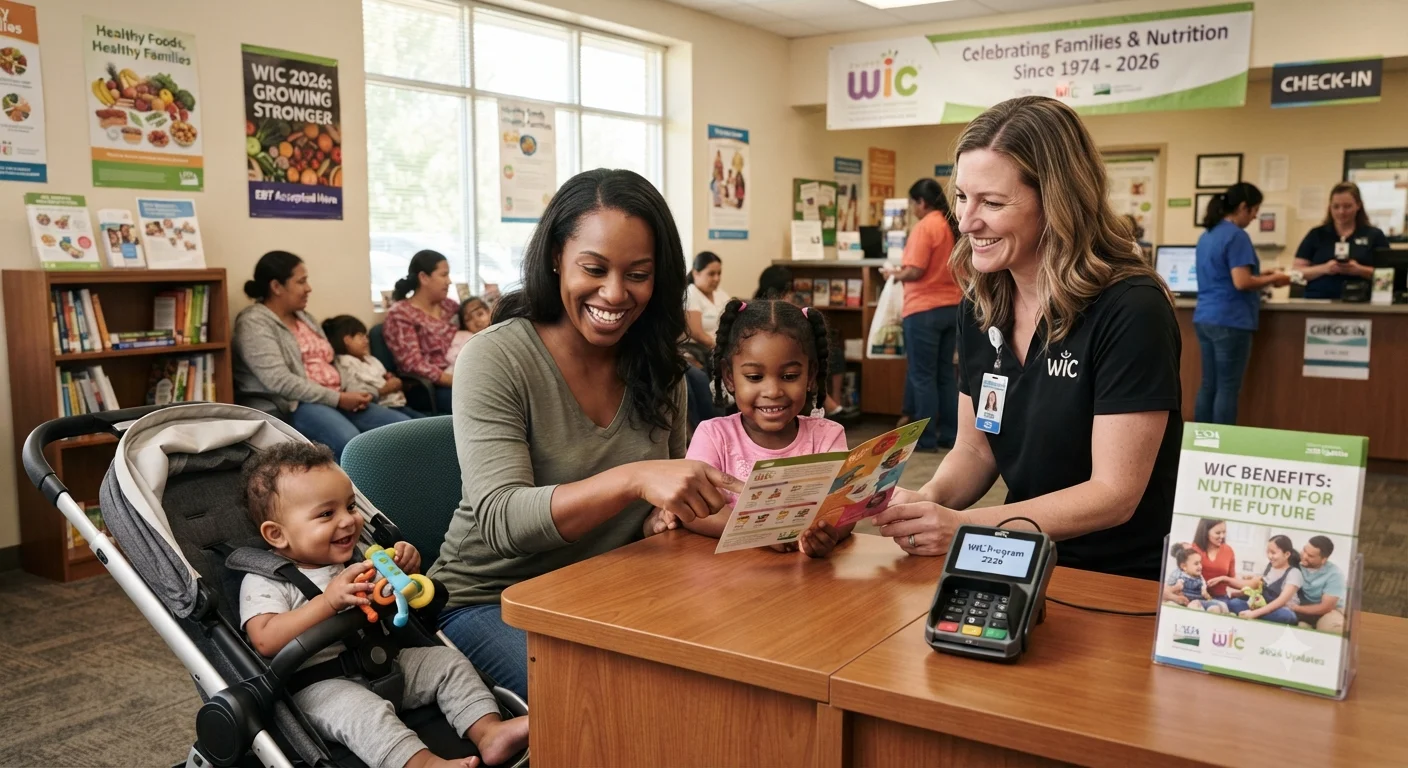
WIC (Women, Infants, and Children) is a federal nutrition program for pregnant, postpartum, and breastfeeding women, infants, and children up to age 5 who meet income and nutritional risk requirements. Under the income eligibility guidelines effective July 1, 2026, a household generally qualifies if its gross income is at or below 185% of the federal poverty level, and anyone already receiving SNAP, Medicaid, or TANF is automatically income-eligible.
This guide is independently written and is not affiliated with USDA, OPM, or the official federal "Feds Feed Families" campaign.
What Is WIC?
WIC stands for the Special Supplemental Nutrition Program for Women, Infants, and Children. It's administered by the USDA's Food and Nutrition Administration (FNA) renamed from the Food and Nutrition Service (FNS) as of June 1, 2026 and operated locally through state and tribal WIC agencies. Unlike SNAP, WIC isn't just food assistance: it also includes nutrition education, breastfeeding support, and health screenings, all provided at no cost to participants.
Who Qualifies (Pregnant, Postpartum, Infants, Children Under 5)
- What Is WIC?
- Who Qualifies (Pregnant, Postpartum, Infants, Children Under 5)
- WIC Income Limits
- What WIC Covers (Food Package Breakdown)
- WIC vs. SNAP: Key Differences
- How to Apply
- FAQ
- Who is eligible for WIC?
- What is the income limit for WIC in 2026?
- Does receiving SNAP automatically qualify you for WIC?
- Can you get WIC and SNAP at the same time?
WIC serves five participant categories:
- Pregnant women
- Postpartum women (up to 6 months after the end of a pregnancy)
- Breastfeeding women (up to the infant's first birthday)
- Infants (up to age 1)
- Children (up to their 5th birthday)
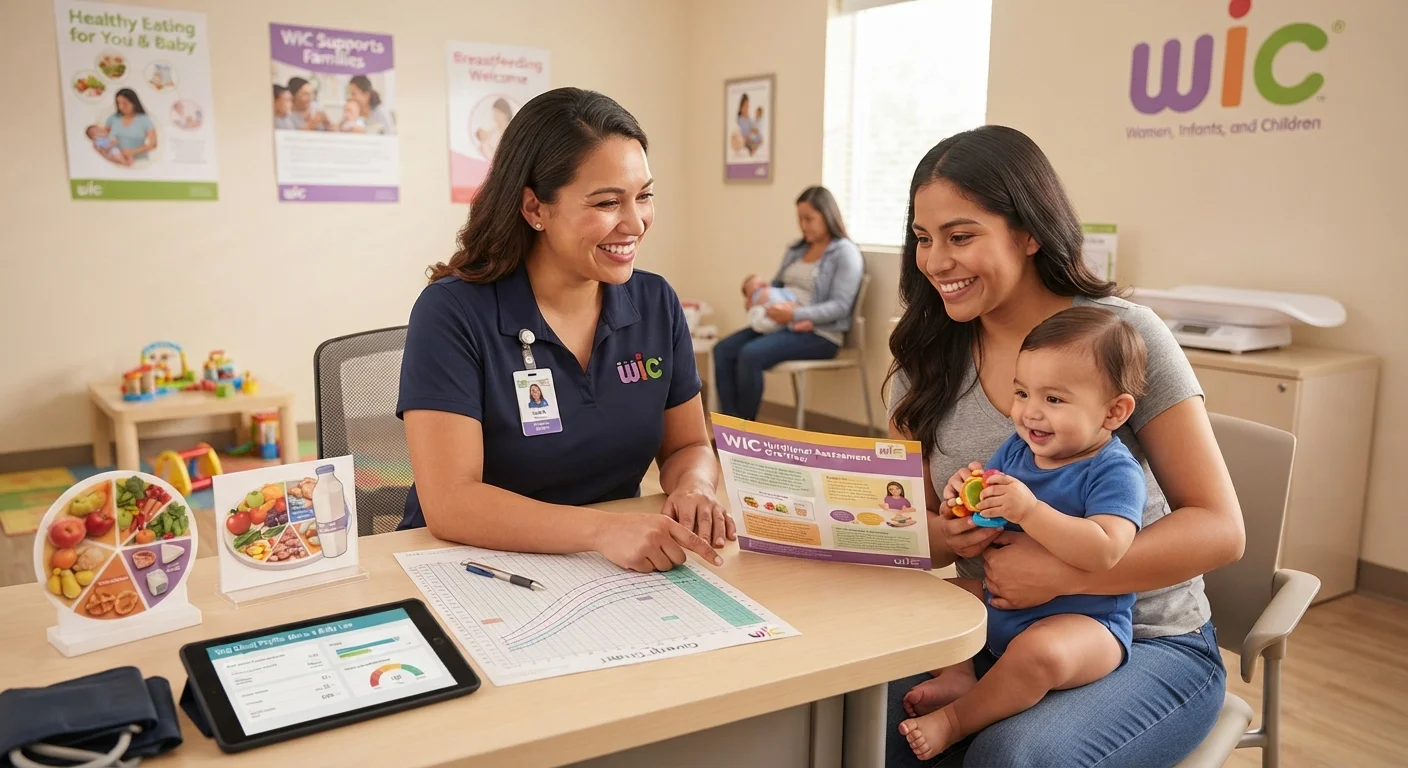
Every applicant must also complete a free health screening with WIC staff, which determines "nutritional risk" a category that includes things like anemia, being underweight, a history of pregnancy complications, or a generally inadequate diet. Both income eligibility and nutritional risk must be met to enroll.
WIC Income Limits
WIC uses 185% of the federal poverty guidelines as its maximum income threshold, updated annually. For a household of one under the guidelines effective through mid-2026, that limit was roughly $2,413 per month; a household of four would have a substantially higher combined limit. If you or a child in your care already receives SNAP, Medicaid, or TANF, you're automatically considered income-eligible for WIC and can skip the separate income documentation step. States may set their income limits anywhere between 100% and 185% of the federal poverty level, so it's worth checking your local agency's exact figure rather than assuming the maximum applies.
What WIC Covers (Food Package Breakdown)
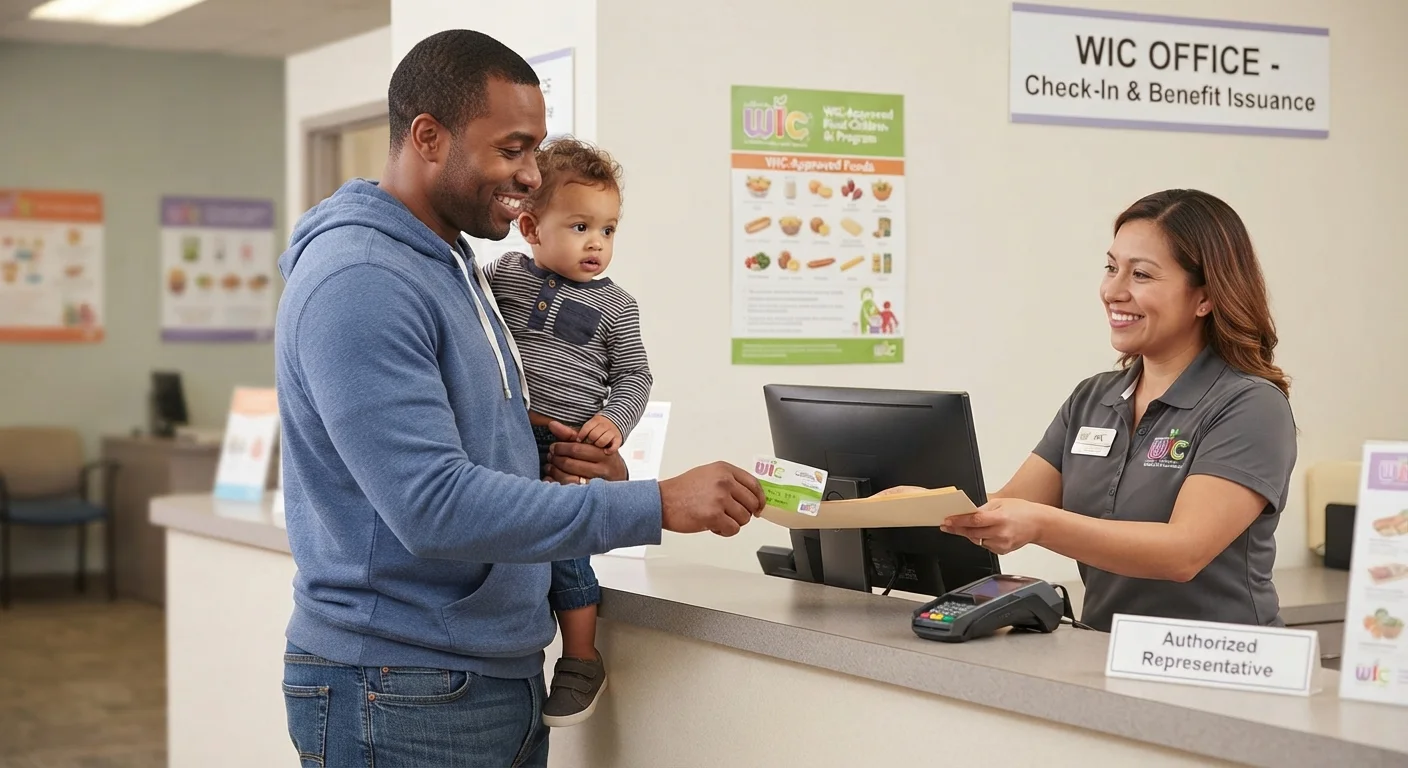
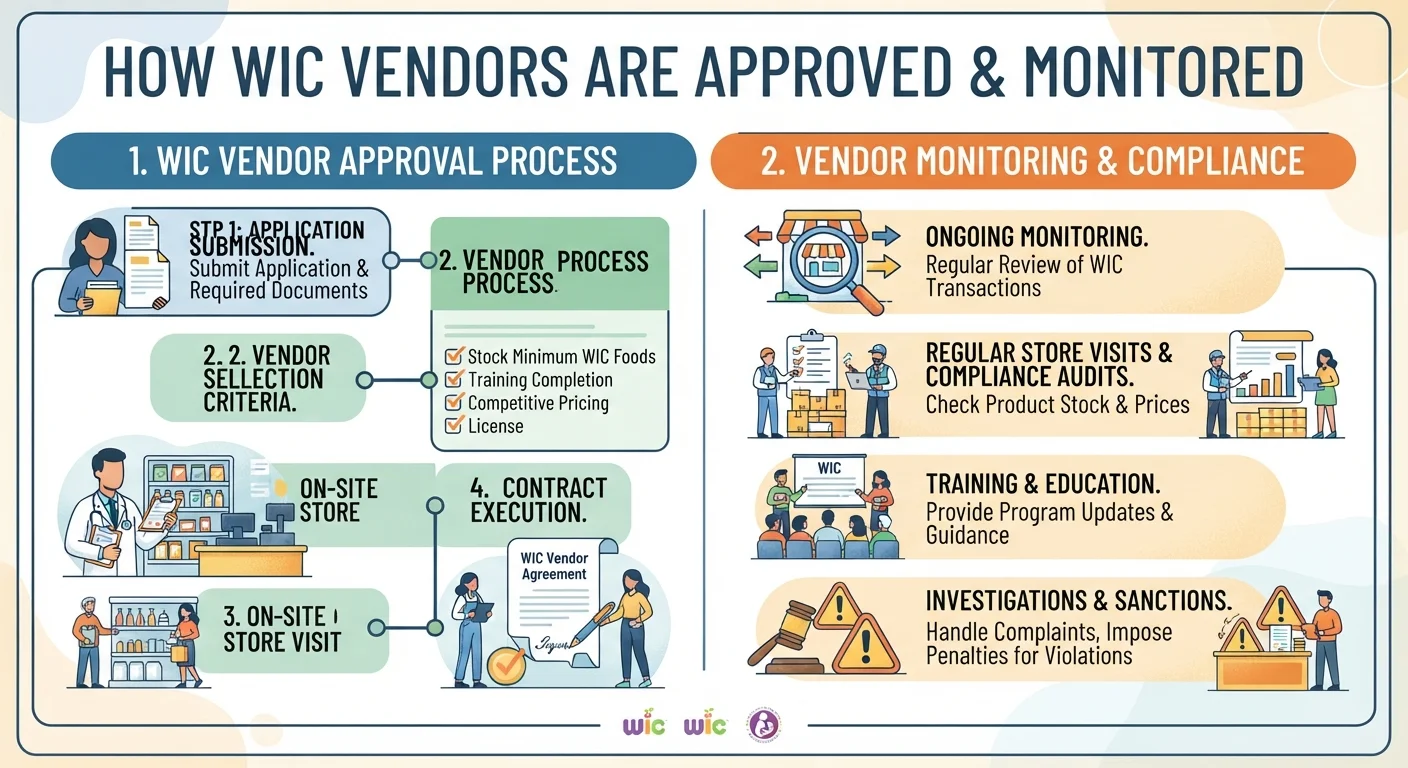
WIC doesn't provide cash it provides a specific food package loaded onto an eWIC card, tailored to the participant's category. Typical WIC food packages include:
Recommended Articles
 WIC FAMILY NUTRITION
 WIC FAMILY NUTRITION
 WIC FAMILY NUTRITION
 WIC FAMILY NUTRITION
- Iron-fortified infant cereal and infant formula
- Milk, cheese, yogurt, and eggs
- Whole grains, including whole-wheat bread and brown rice
- Fruits and vegetables, including a Cash Value Benefit (CVB) specifically for produce
- Peanut butter, dried and canned beans, and canned fish
- Soy-based beverages and tofu for eligible participants
The exact quantities and options vary by state and by which of the five participant categories you fall into.
WIC vs. SNAP: Key Differences
WIC and SNAP are both federal food programs, but they work differently. SNAP is broader it covers most grocery items and is based purely on income and household size. WIC is narrower and targeted it covers a defined list of nutrition-focused foods and is limited to pregnant/postpartum women, infants, and children under 5. WIC also includes services SNAP doesn't, like breastfeeding counseling and nutrition education. Families with young children often qualify for both at once, since eligibility for one does not disqualify you from the other.
How to Apply
You apply for WIC through your local WIC clinic or state WIC agency, not a general benefits portal. Many states now offer phone or video appointments in addition to in-person visits. At your appointment, you'll complete an income check (or show proof of SNAP/Medicaid/TANF participation), a brief health screening, and receive your eWIC card if approved. Because eligibility can change with life circumstances a new baby, a job loss, or a change in household size the WIC agency encourages families who didn't qualify before to check again if anything has changed.
FAQ
Who is eligible for WIC?
Pregnant women, postpartum women up to 6 months after pregnancy, breastfeeding women up to the infant's first birthday, infants, and children up to age 5, who meet income and nutritional risk requirements.
What is the income limit for WIC in 2026?
WIC uses 185% of the federal poverty guidelines, updated each July. A one-person household limit was approximately $2,413/month under recent guidelines, with higher thresholds for larger households.
Does receiving SNAP automatically qualify you for WIC?
Yes. If you or a child in your care already receives SNAP, Medicaid, or TANF, you are automatically considered income eligible for WIC.
Can you get WIC and SNAP at the same time?
Yes. The two programs serve different purposes and eligibility for one does not affect eligibility for the other.
Sources: USDA Food and Nutrition Administration (fna.usda.gov), Federal Register WIC Income Eligibility Guidelines 2026/2027.