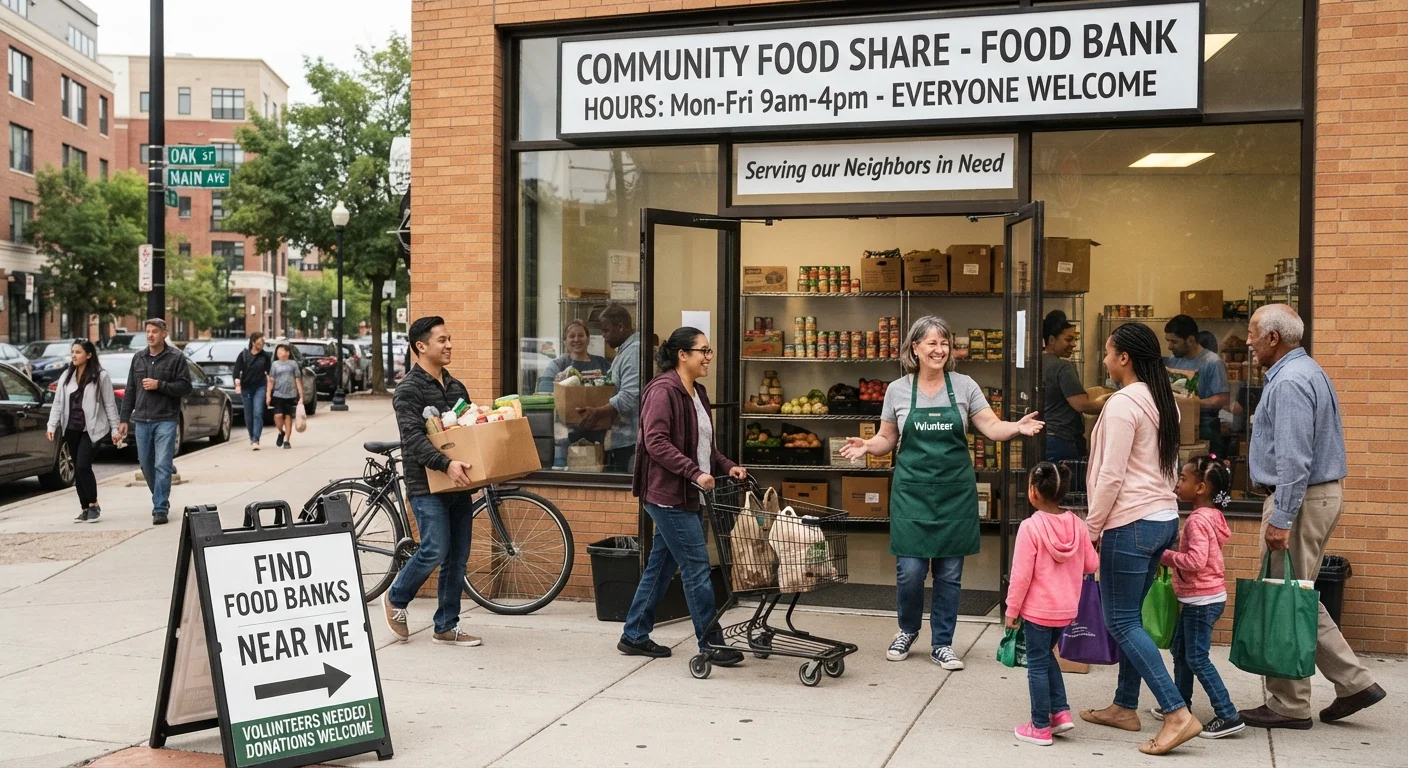
The fastest way to find a food bank near you is to enter your zip code into Feeding America's food bank locator, or call 211 to speak with a local resource specialist who can connect you with pantries, soup kitchens, and mobile food distributions in your area. Most food pantries don't require an ID, and many welcome first-time visitors without an appointment.
This guide is independently written and is not affiliated with USDA, OPM, or the official federal "Feds Feed Families" campaign.
Using Feeding America's Locator
Feeding America is a nationwide network of more than 200 member food banks, each of which partners with local pantries, soup kitchens, and mobile distributions in its region. Entering your zip code into their online locator shows the nearest partner food bank along with hours, services, and contact information for pantries in your community. If the closest listed location is too far away, most food banks can refer you to a partner organization they work with that isn't in the main directory yet.
Calling 211
- Using Feeding America's Locator
- Calling 211
- Local Church & Community Pantries
- What to Bring to a Food Bank
- What to Expect at Your First Visit
- Mobile Food Pantries & Delivery Options
- FAQ
- How do I find a food bank near me?
- Do I need an ID to visit a food pantry?
- Is there a limit on how many times I can visit a food bank?
- What if there's no food bank listed near me?
Dialing 211 from any phone connects you with a free, confidential helpline covering food, housing, utilities, healthcare, and other essential needs. Trained specialists are available 24 hours a day in many areas and can direct you to food pantries, meal programs, and other local resources based on your specific situation including help finding programs aimed at children, seniors, or people with specific dietary needs. Coverage isn't complete in every part of the country, but most of the United States is served by 211.
Local Church & Community Pantries
Many food pantries operate through churches, synagogues, mosques, and community centers independent of the Feeding America network, especially in smaller towns and rural areas. These pantries often aren't listed on national locator sites, so it's worth calling your local place of worship, community center, or town hall directly to ask what's available nearby, even if you don't attend that congregation.
What to Bring to a Food Bank
Requirements vary by location, but it's smart to bring:
- A form of ID, even though many pantries don't strictly require one
- Proof of address, such as mail or a utility bill, if the pantry serves a specific service area
- A general sense of your household size, since some pantries adjust the amount of food based on how many people you're feeding
If food distributed comes from USDA's TEFAP program, you may be asked to fill out a simple form listing your zip code, household size, and income level this is for federal reporting requirements, not a barrier to receiving food.
Recommended Articles
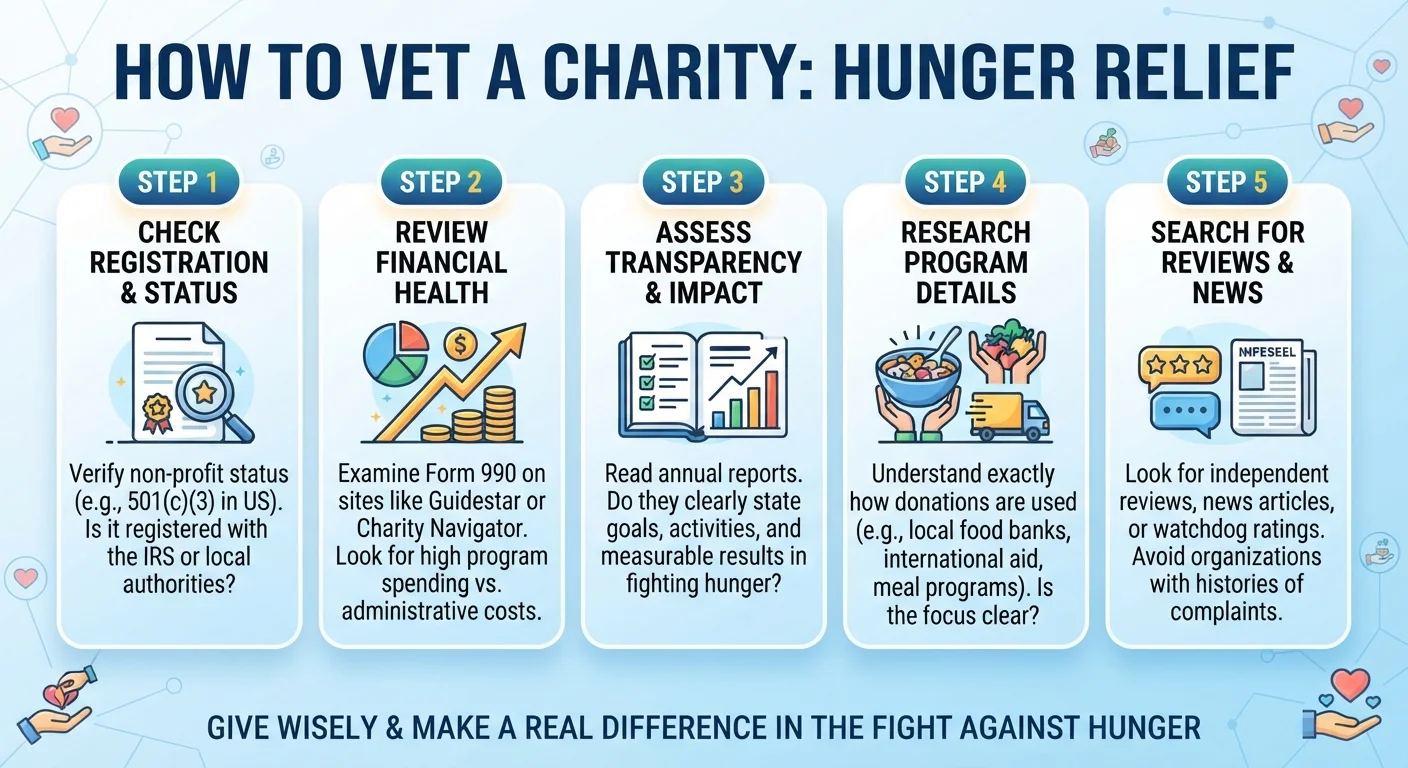 FOOD BANKS PANTRIES
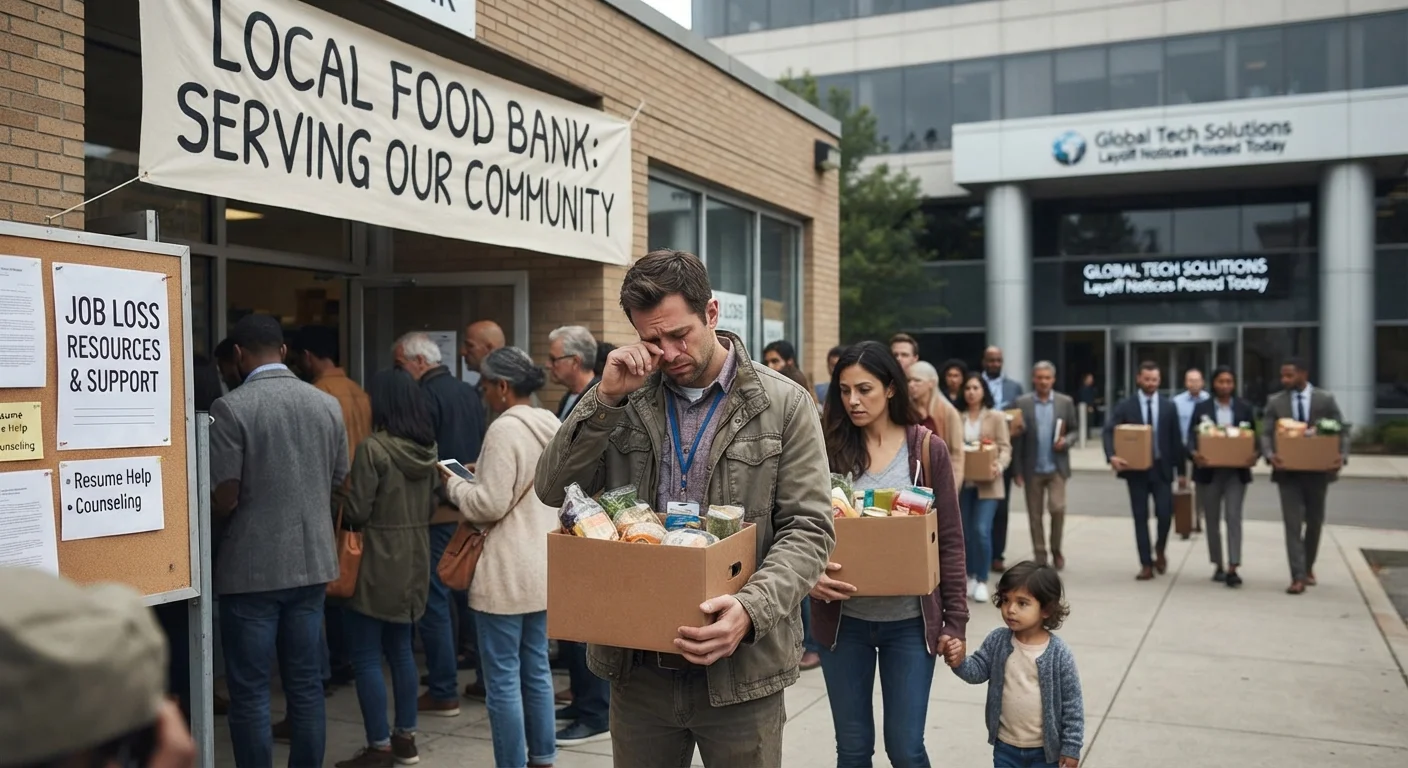 FOOD BANKS PANTRIES
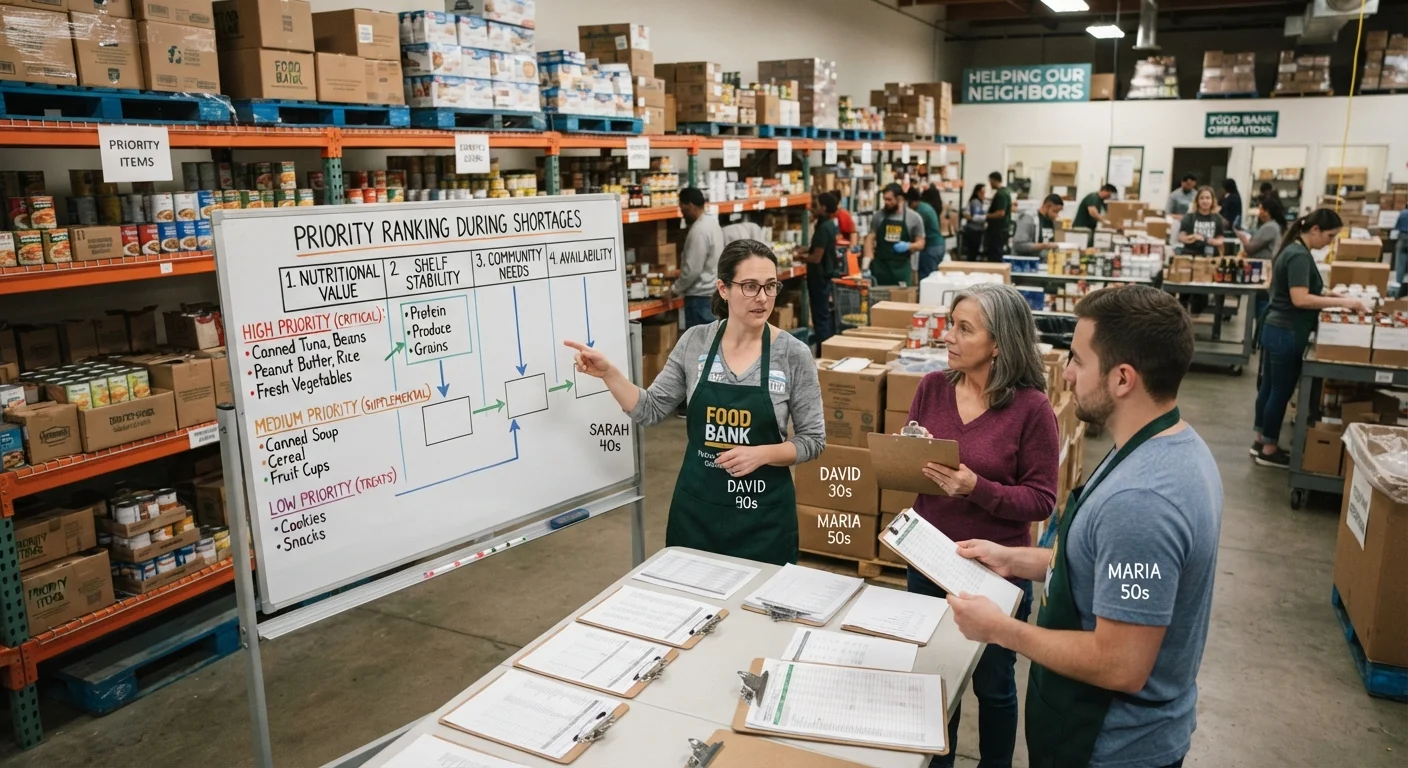 FOOD BANKS PANTRIES
 FOOD BANKS PANTRIES
What to Expect at Your First Visit
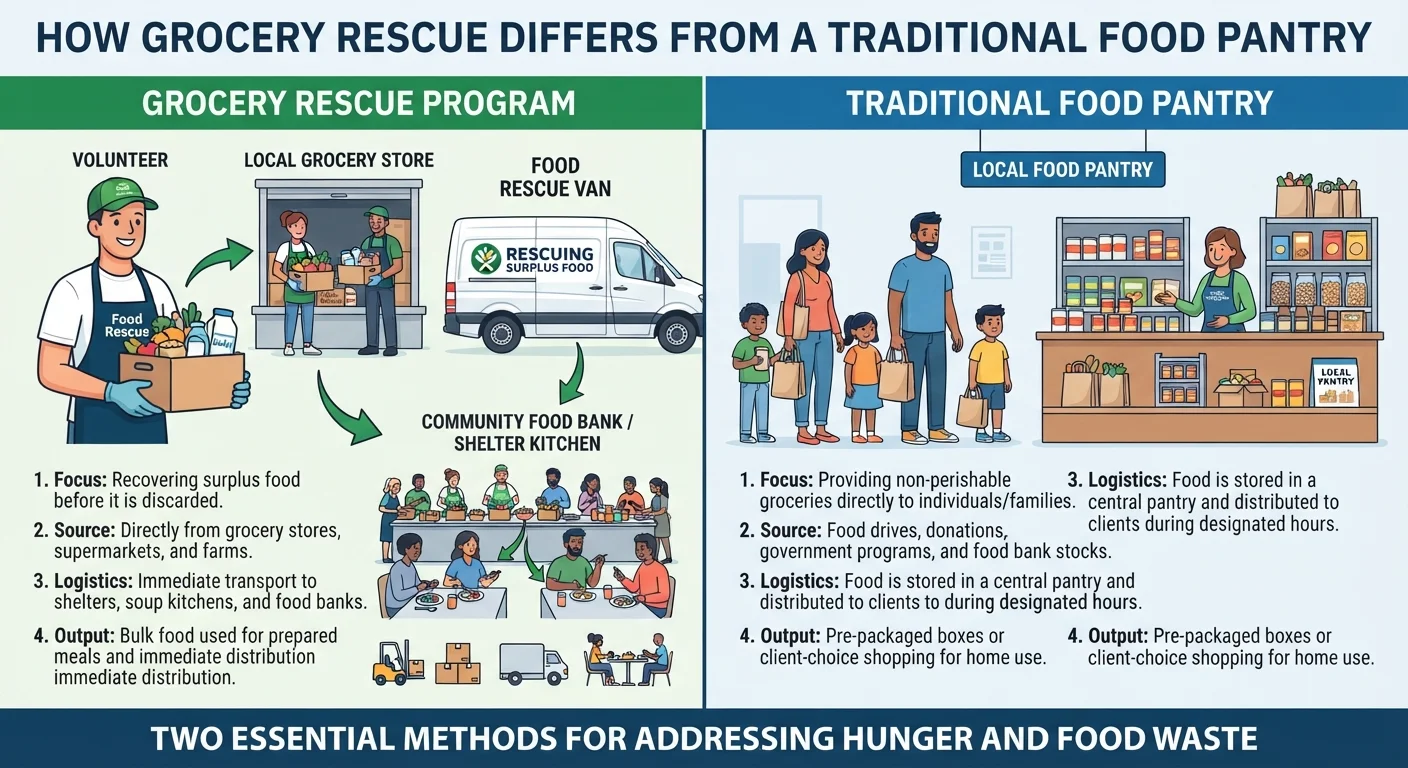
Visiting a food pantry for the first time can feel intimidating, but the process is generally simple and judgment-free. Volunteers will typically greet you, may ask you to fill out a short intake form, and then help you select or receive a package of food based on what's available that day. Some pantries operate like a small grocery store where you choose your own items; others hand out pre-packed boxes. Calling ahead to confirm hours, any appointment requirements, and what to bring saves time and avoids a wasted trip, since hours can change during high-demand periods.
Mobile Food Pantries & Delivery Options
In addition to fixed pantry locations, many food banks run mobile pantries trucks that bring food distributions directly to underserved neighborhoods, senior housing complexes, or rural communities on a set schedule. Some food banks also offer delivery for people who are homebound, elderly, or have a disability that prevents them from traveling to a distribution site; ask your local food bank directly about home delivery options if this applies to you.
Read More Articals
FAQ
How do I find a food bank near me?
Enter your zip code into Feeding America's food bank locator, or call 211 to be connected with a local resource specialist who can point you to nearby pantries and meal programs.
Do I need an ID to visit a food pantry?
Usually not, though some pantries ask for basic information like household size or address, especially if they're distributing USDA-funded food that requires reporting.
Is there a limit on how many times I can visit a food bank?
This varies by location some allow weekly visits, others limit visits per month. Check with your specific pantry, since there's no single national rule.
What if there's no food bank listed near me?
Call the nearest food bank anyway; they often know about smaller, unlisted local pantries or church-based food programs in your immediate area.
Sources: Feeding America (feedingamerica.org), 211.org, USDA Food and Nutrition Administration TEFAP program guidance.