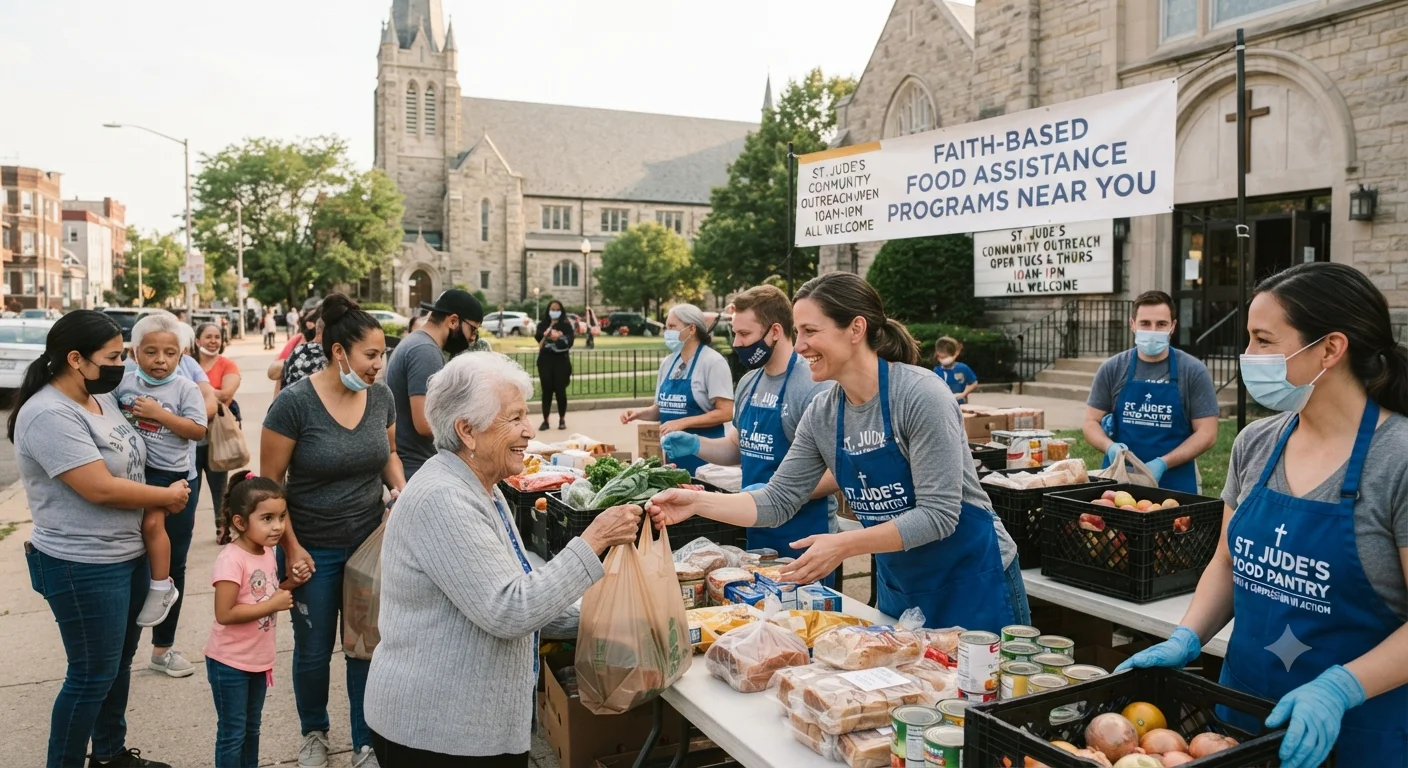
Churches, synagogues, mosques, and faith-based charities operate a significant share of the food pantries in the United States, and the large majority welcome anyone in need regardless of religious affiliation, with most requiring nothing more than basic registration information rather than proof of faith or church membership.
This guide is independently written and is not affiliated with USDA, OPM, or the official federal Feds Feed Families campaign.
Why Faith-Based Organizations Play Such a Large Role
Faith-based organizations have deep, longstanding roots in local communities, existing physical space, and organized volunteer networks, all of which make them naturally well-suited to run an ongoing food pantry or distribution program. Many partner formally with a regional food bank to source inventory through programs like TEFAP, while others rely primarily on donations from their own congregation and surrounding community.
Large National Faith-Based Networks
- Why Faith-Based Organizations Play Such a Large Role
- Large National Faith-Based Networks
- What Eligibility Typically Looks Like
- Frequency Limits and Registration
- Beyond Food: Broader Support Available
- How to Find a Faith-Based Pantry Near You
- FAQ
- Do I need to be a member of a church to use its food pantry?
- What documentation do faith-based food pantries typically require?
- Do faith-based organizations offer help beyond food?
- How do I find a faith-based food pantry near me?
Several major faith-based organizations operate food assistance at a national scale:
- Catholic Charities operates thousands of local offices nationwide, serving people of all faiths, and runs food banks and pantries as part of a broader range of social services including rental and utility assistance
- The Salvation Army runs an extensive food pantry network alongside its meal programs and seasonal holiday assistance, also open to people of any or no religious background
- Individual denominational networks, including various Protestant, Jewish, and Muslim community organizations, often run local food pantries independently or in partnership with a regional food bank
What Eligibility Typically Looks Like
Most faith-based food pantries keep their eligibility requirements deliberately simple, commonly limited to living within a certain zip code or distance from the location, and basic registration information like household size and address. Some pantries ask for a self-reported income level, often set around 200 percent of the federal poverty level, though many simply take a visitor's word for their need rather than requiring formal documentation. Religious affiliation or attendance is very rarely a requirement, and most organizations explicitly describe their food assistance as faith-neutral in practice.
Recommended Articles
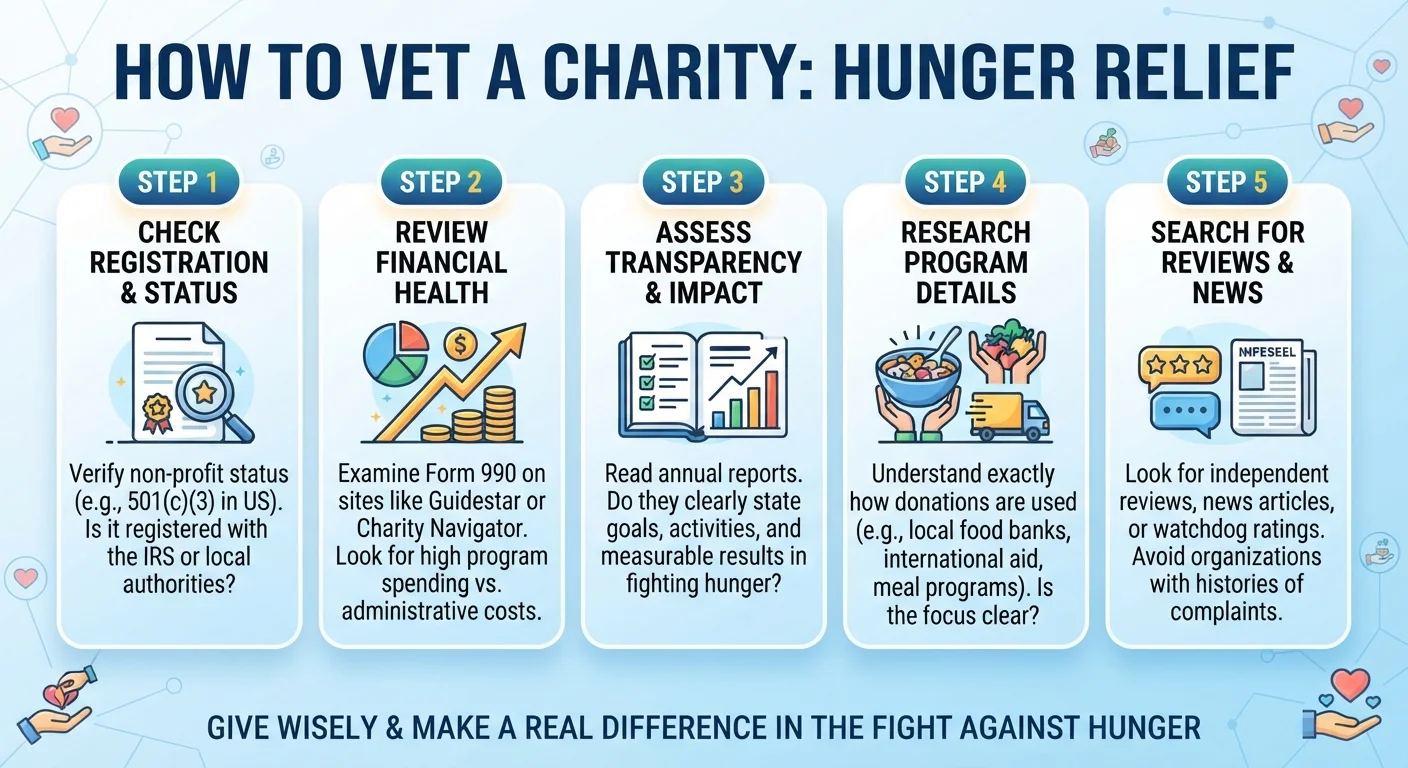 FOOD BANKS PANTRIES
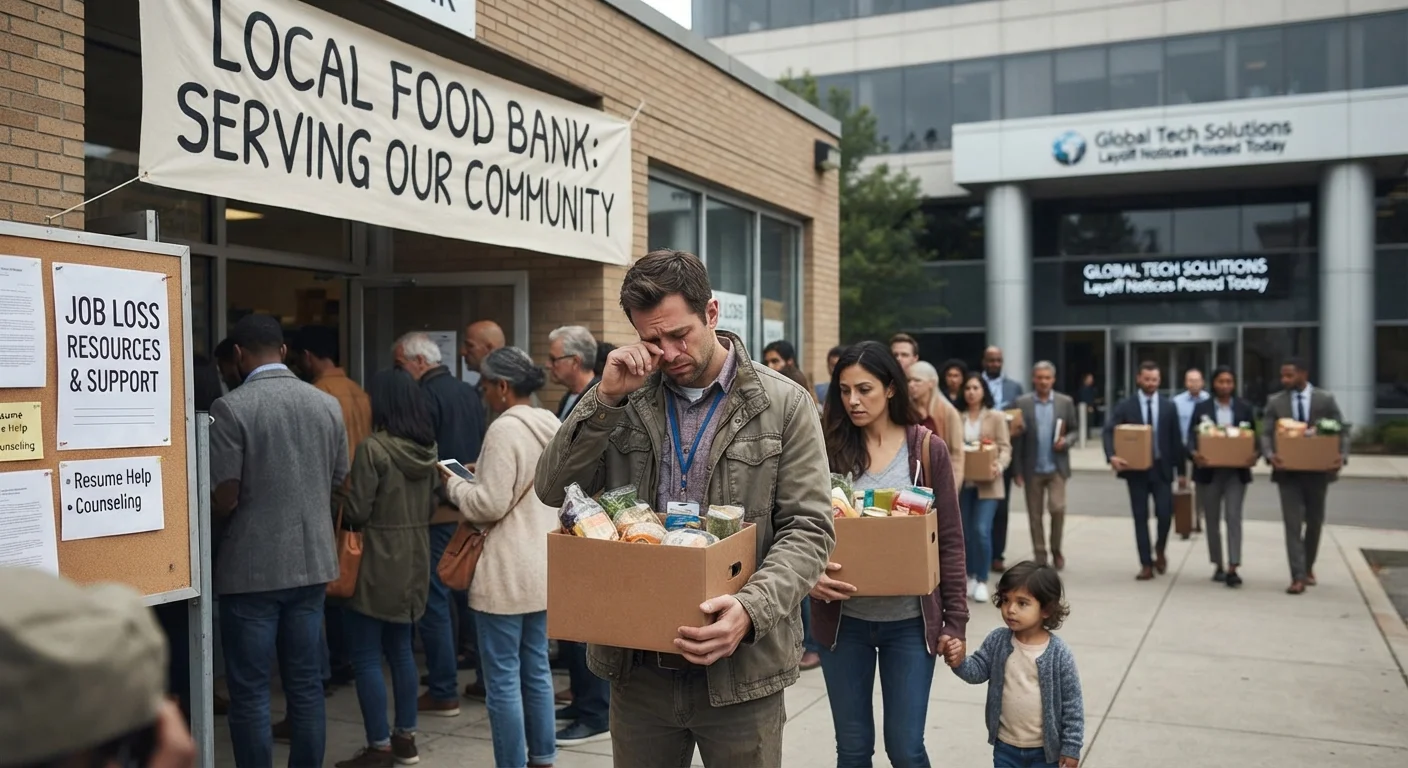 FOOD BANKS PANTRIES
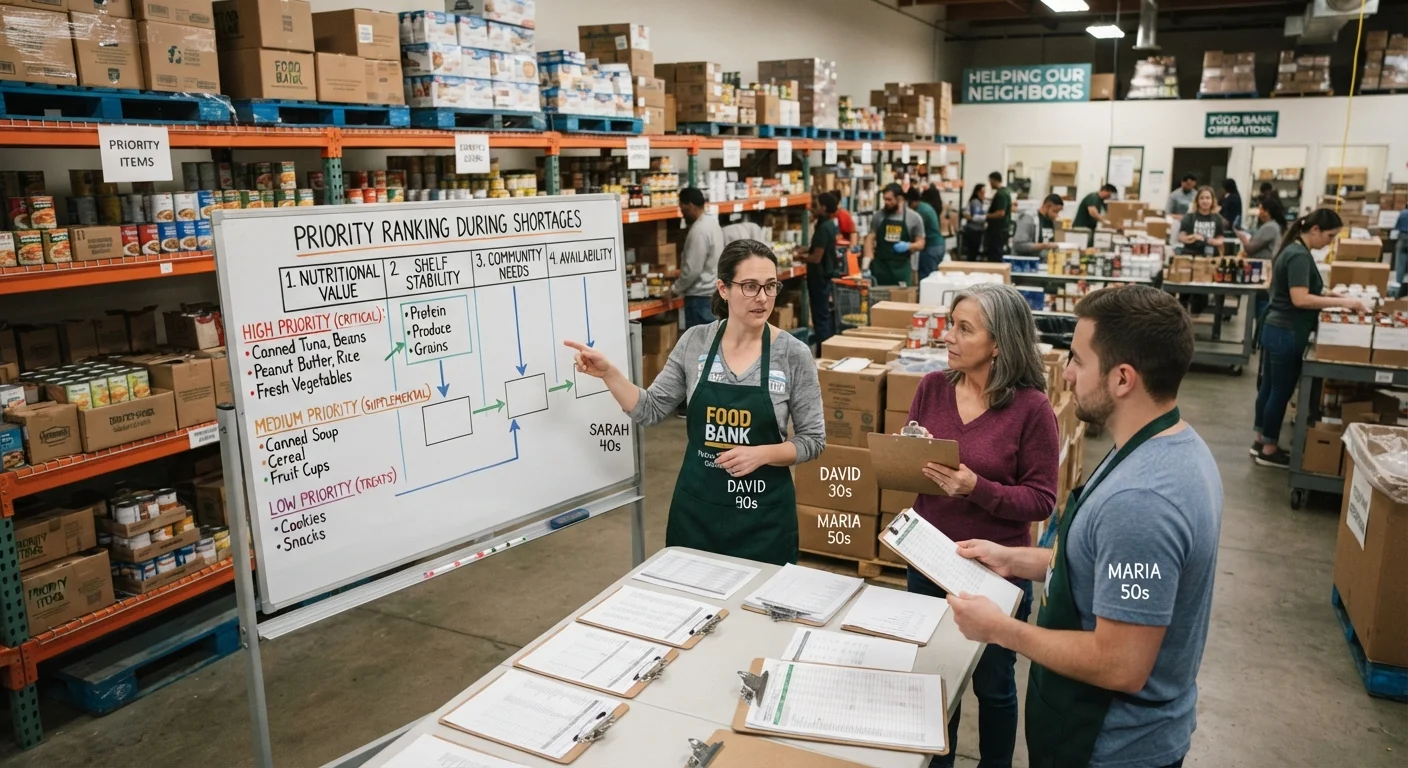 FOOD BANKS PANTRIES
 FOOD BANKS PANTRIES
Frequency Limits and Registration
Similar to secular food pantries, faith-based locations often limit how often a household can receive food, commonly once a month, in order to spread available resources across more people in the community, though this varies significantly by individual organization and its specific level of funding and food supply.
Beyond Food: Broader Support Available
Many faith-based organizations that run a food pantry also offer additional assistance, including help applying for SNAP or Medicaid, emergency rental or utility assistance, clothing closets, and job readiness support. Asking directly about what else is available beyond the food pantry itself, rather than assuming food is the only service offered, can uncover meaningful additional help at the same visit.
How to Find a Faith-Based Pantry Near You
Calling or checking the website of a nearby church, synagogue, or mosque directly, regardless of whether you attend that specific congregation, is one of the most direct ways to find out what's available locally. The National Hunger Hotline, reachable at 1-866-3-HUNGRY, and calling 211 are also reliable ways to get connected with faith-based and secular food resources in your specific area, since these hotlines maintain broader local knowledge than any single organization's own website.
Read More Articals
FAQ
Do I need to be a member of a church to use its food pantry?
Almost never. The large majority of faith-based food pantries welcome anyone in need regardless of religious affiliation or church membership, and describe their assistance as faith-neutral in practice.
What documentation do faith-based food pantries typically require?
Requirements are generally minimal, often just basic registration information like household size and address, with some pantries asking for a self-reported income level rather than formal documentation.
Do faith-based organizations offer help beyond food?
Often yes. Many also assist with SNAP or Medicaid applications, emergency rental or utility assistance, clothing closets, and job readiness support, so it's worth asking what else is available.
How do I find a faith-based food pantry near me?
Contact a nearby church, synagogue, or mosque directly, or call 211 or the National Hunger Hotline at 1-866-3-HUNGRY for local referrals.
Sources: Catholic Charities USA, The Salvation Army USA, Hunger Free America National Hunger Hotline.