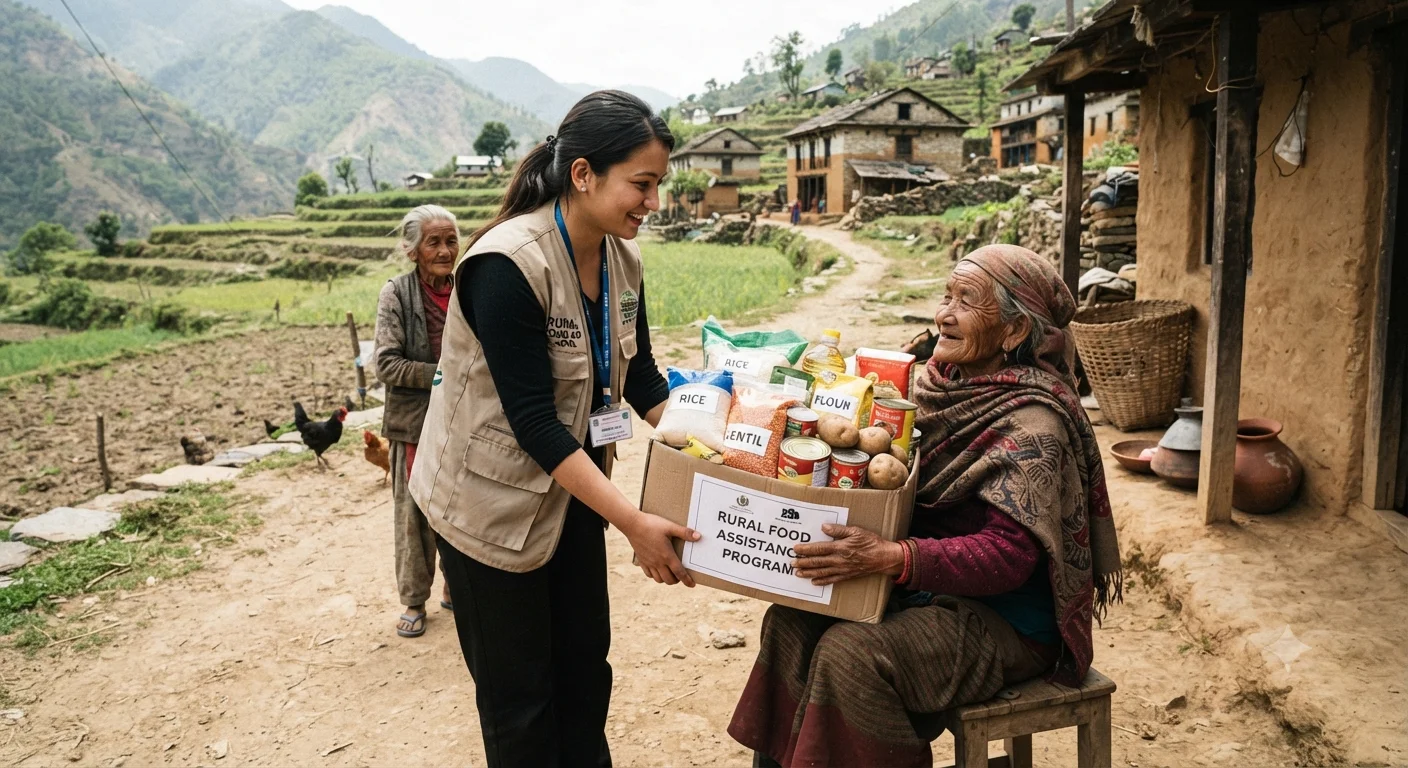
Distance from a fixed food pantry and limited transportation are consistently cited as major barriers to food assistance in rural areas, but several programs are specifically designed to reach these communities, including mobile food pantries, the Food Distribution Program on Indian Reservations, and newer rural-specific delivery options for summer meals that don't require traveling to a central site.
This guide is independently written and is not affiliated with USDA, OPM, or the official federal Feds Feed Families campaign.
Why Rural Food Access Looks Different
Rural communities often face a combination of challenges that urban and suburban areas don't experience in the same way, including greater physical distance to the nearest fixed food pantry, limited or nonexistent public transportation, and in some cases, no full grocery store within a reasonable driving distance at all. Older adults in rural areas face this particularly acutely, since mobility limitations combined with long distances can put food pantry programs technically available but practically out of reach.
Mobile Food Pantries
- Why Rural Food Access Looks Different
- Mobile Food Pantries
- Food Distribution Program on Indian Reservations (FDPIR)
- Rural Non-Congregate Summer Meals
- Delivery Options From Local Food Banks
- Rural Grocery Store Support Programs
- Where to Start
- FAQ
- What food assistance options exist for rural areas without a nearby food bank?
- What is FDPIR?
- How do rural summer meal programs work differently than urban ones?
- Where should someone in a rural area with no nearby food bank start looking for help?
Mobile food pantries, trucks that bring groceries directly to a scheduled location on a recurring basis, are one of the most direct solutions to the distance problem, since they're specifically designed to reach communities without a permanent pantry location nearby. Using a food bank's Food Finder tool by zip code, most of which include mobile pantry schedules alongside fixed locations, is the most reliable way to find one operating in a rural area.
Food Distribution Program on Indian Reservations (FDPIR)
FDPIR provides USDA foods directly to income-eligible households living on Indian reservations, as well as to Native American and Alaska Native households in certain designated areas near reservations or in Oklahoma. This program functions as an alternative to SNAP specifically for eligible households in these areas, and it's administered through tribal organizations or state agencies rather than the standard state SNAP office.
Rural Non-Congregate Summer Meals
A newer option, the Rural Non-Congregate Summer Meals option, expands the traditional Summer Food Service Program specifically for rural areas where children can't easily travel to a central meal site. Rather than requiring a child to eat at a specific location, this option allows meals to be delivered or picked up in a way that better fits the realities of a spread-out rural community, addressing one of the most persistent barriers to summer meal program participation in these areas.
Recommended Articles
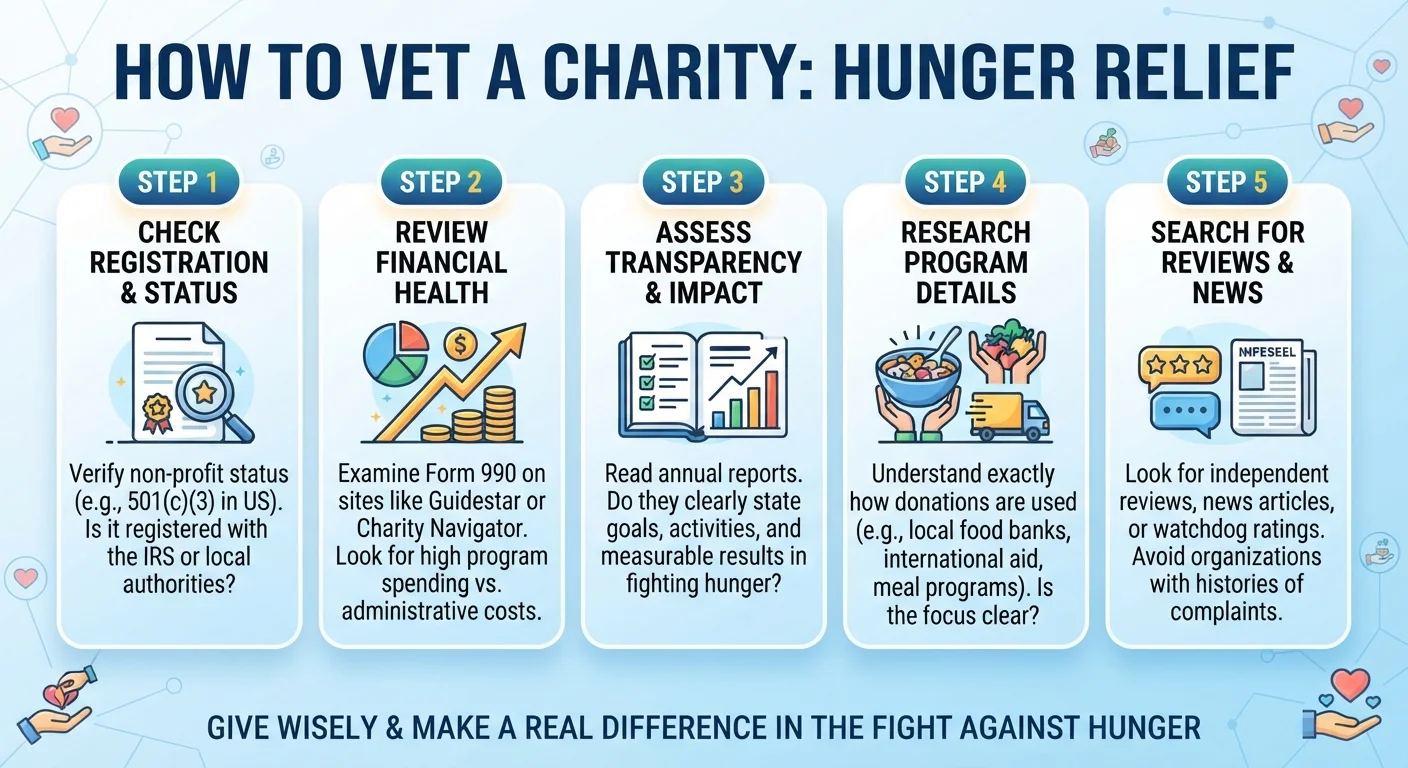 FOOD BANKS PANTRIES
 FOOD BANKS PANTRIES
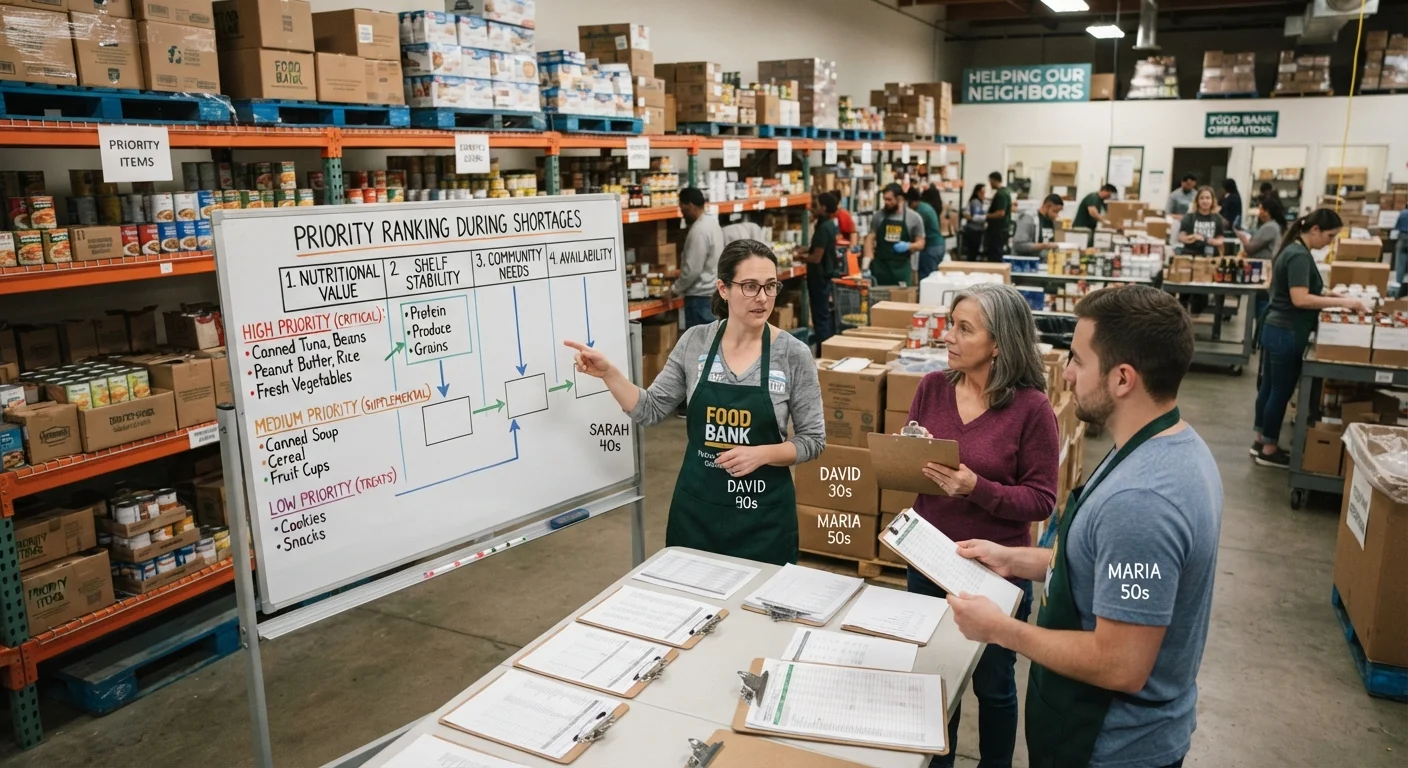 FOOD BANKS PANTRIES
 FOOD BANKS PANTRIES
Delivery Options From Local Food Banks
Some food banks and pantries offer home delivery specifically for homebound individuals, seniors, or people with a disability that limits their ability to travel, which can be a meaningful option for someone in a rural area without reliable transportation. Calling a regional food bank directly and asking specifically about delivery options, rather than assuming none exist, is worth doing, since this kind of service isn't always prominently advertised.
Rural Grocery Store Support Programs
In some states, grant programs have been established specifically to help small, rural grocery stores stay open, recognizing that when a single rural grocery store closes, it can leave an entire community without a reasonable local option for buying food at all, food assistance benefits included. While this type of program doesn't provide direct food assistance to individuals, its existence reflects how seriously food access challenges in rural areas are being taken at the state policy level.
Where to Start
Calling 211 remains one of the most reliable starting points for rural residents specifically, since local resource specialists often know about smaller, less formally listed food assistance options, including church-based pantries or informal delivery arrangements that might not appear in a standard online search or national database.
Read More Articals
FAQ
What food assistance options exist for rural areas without a nearby food bank?
Mobile food pantries, the Food Distribution Program on Indian Reservations for eligible tribal areas, home delivery from some local food banks, and the newer Rural Non-Congregate Summer Meals option for children are among the programs specifically designed to reach rural communities.
What is FDPIR?
The Food Distribution Program on Indian Reservations provides USDA foods directly to income-eligible households living on Indian reservations, as well as certain Native American and Alaska Native households in nearby designated areas or in Oklahoma, as an alternative to SNAP.
How do rural summer meal programs work differently than urban ones?
The Rural Non-Congregate Summer Meals option allows meals to be delivered or picked up rather than requiring a child to eat at a central site, addressing the transportation and distance barriers common in spread-out rural communities.
Where should someone in a rural area with no nearby food bank start looking for help?
Calling 211 is a reliable starting point, since local resource specialists often know about smaller, less formally listed options, including church-based pantries or informal delivery arrangements not always found through an online search.
Sources: Feeding America, USDA Food Distribution Program on Indian Reservations guidance, Food Research and Action Center Rural Non-Congregate Summer Meals guidance, RuralHealthInfo.org.