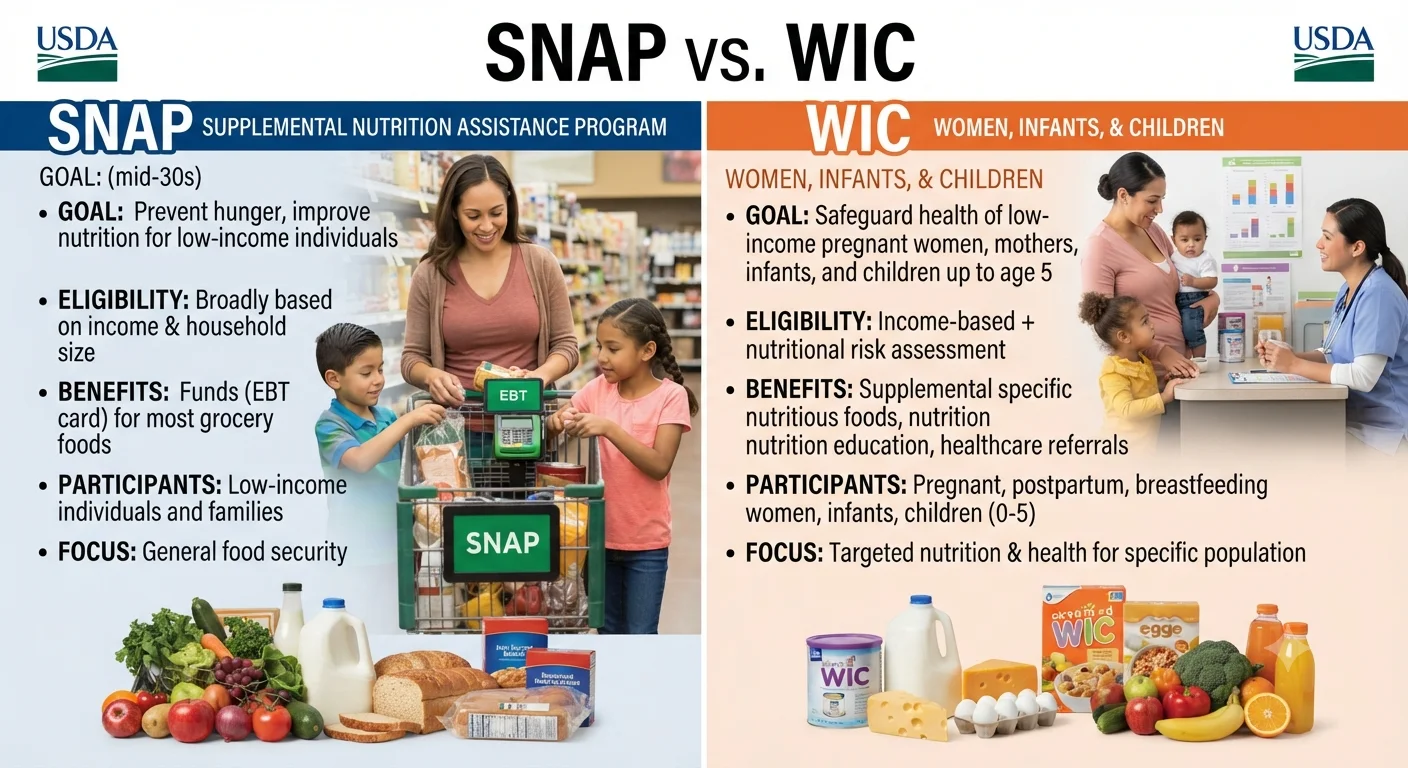
SNAP and WIC are both federally funded food assistance programs, but SNAP provides broad monthly grocery benefits to income-eligible households of any composition, while WIC provides a targeted package of nutrition-specific foods to pregnant women, new mothers, infants, and children under 5. Families with young children can qualify for and use both programs at the same time.
This guide is independently written and is not affiliated with USDA, OPM, or the official federal "Feds Feed Families" campaign.
Program Purpose Compared
SNAP exists to reduce food insecurity broadly, giving eligible households flexible purchasing power for groceries. WIC exists specifically to support nutrition during pregnancy and early childhood, when nutritional gaps have the most lasting impact on development. That difference in purpose shapes everything else about how the two programs work.
Eligibility Differences
- Program Purpose Compared
- Eligibility Differences
- Benefit Amounts & Format
- Can You Receive Both?
- Application Process Comparison
- FAQ
- Can I get SNAP and WIC at the same time?
- Which program has stricter eligibility rules?
- Does WIC require a health checkup?
- If I already have SNAP, do I still need to prove income for WIC?
SNAP eligibility is based on household income, size, and assets, with no restriction on who can apply single adults, seniors, and families can all qualify. WIC eligibility requires meeting an income threshold (185% of the federal poverty level, or automatic qualification through SNAP, Medicaid, or TANF) and belonging to one of five specific categories: pregnant, postpartum, or breastfeeding women, infants, or children under 5. WIC also requires a nutritional risk determination from a health professional, which SNAP does not.
Benefit Amounts & Format
SNAP benefits are a monthly dollar amount, calculated from household size and income, loaded onto an EBT card usable for most grocery items. WIC benefits are not a flexible dollar amount they're a defined package of specific foods (like milk, eggs, cereal, and infant formula) loaded onto an eWIC card, plus a smaller Cash Value Benefit specifically for fruits and vegetables.
Recommended Articles
 SNAP EBT
 SNAP EBT
 SNAP EBT
 SNAP EBT
Can You Receive Both?
Yes. There's no rule preventing a household from receiving both SNAP and WIC simultaneously, and many families with infants or young children do exactly that using WIC for its targeted nutrition staples and SNAP for the rest of the household's groceries. Receiving one does not count against your eligibility for the other, and in fact, SNAP participation automatically satisfies WIC's income requirement.
Application Process Comparison
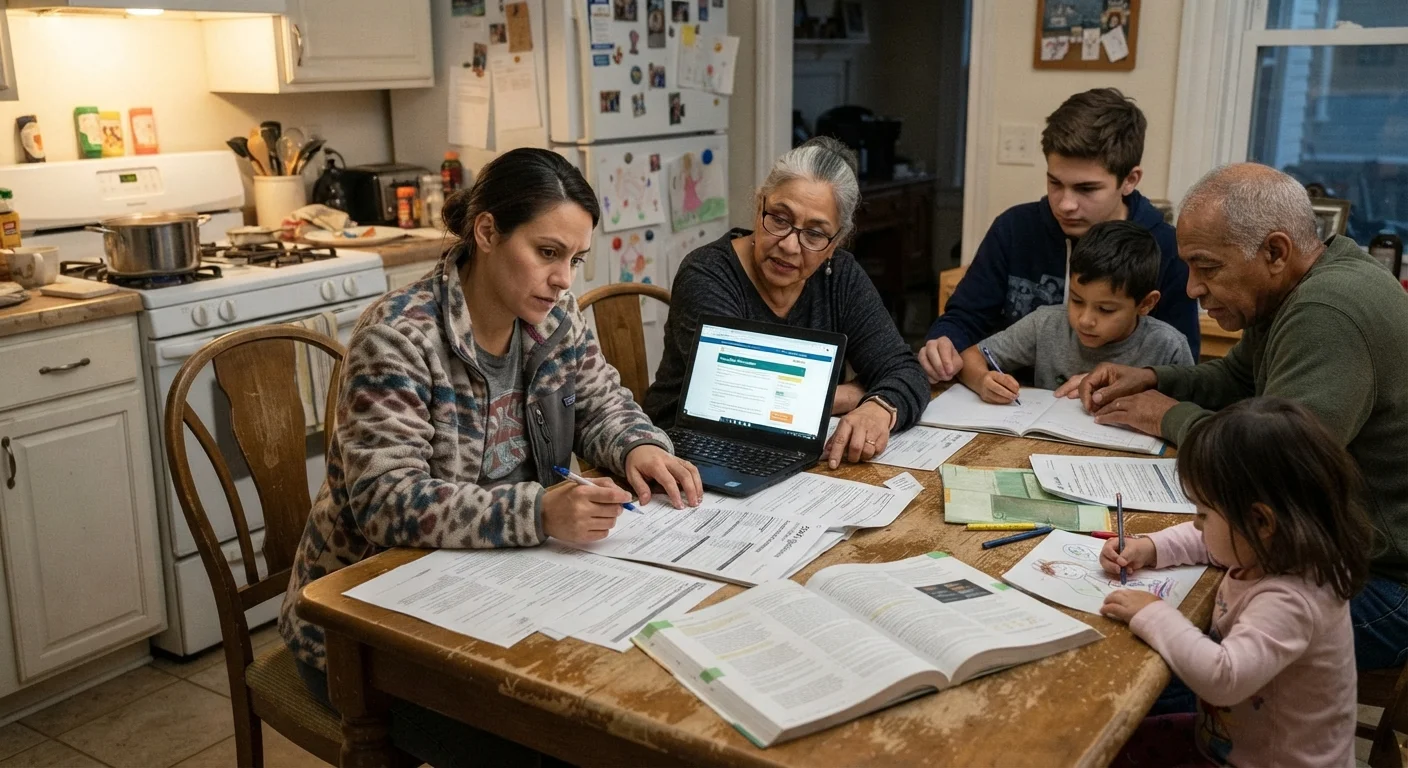
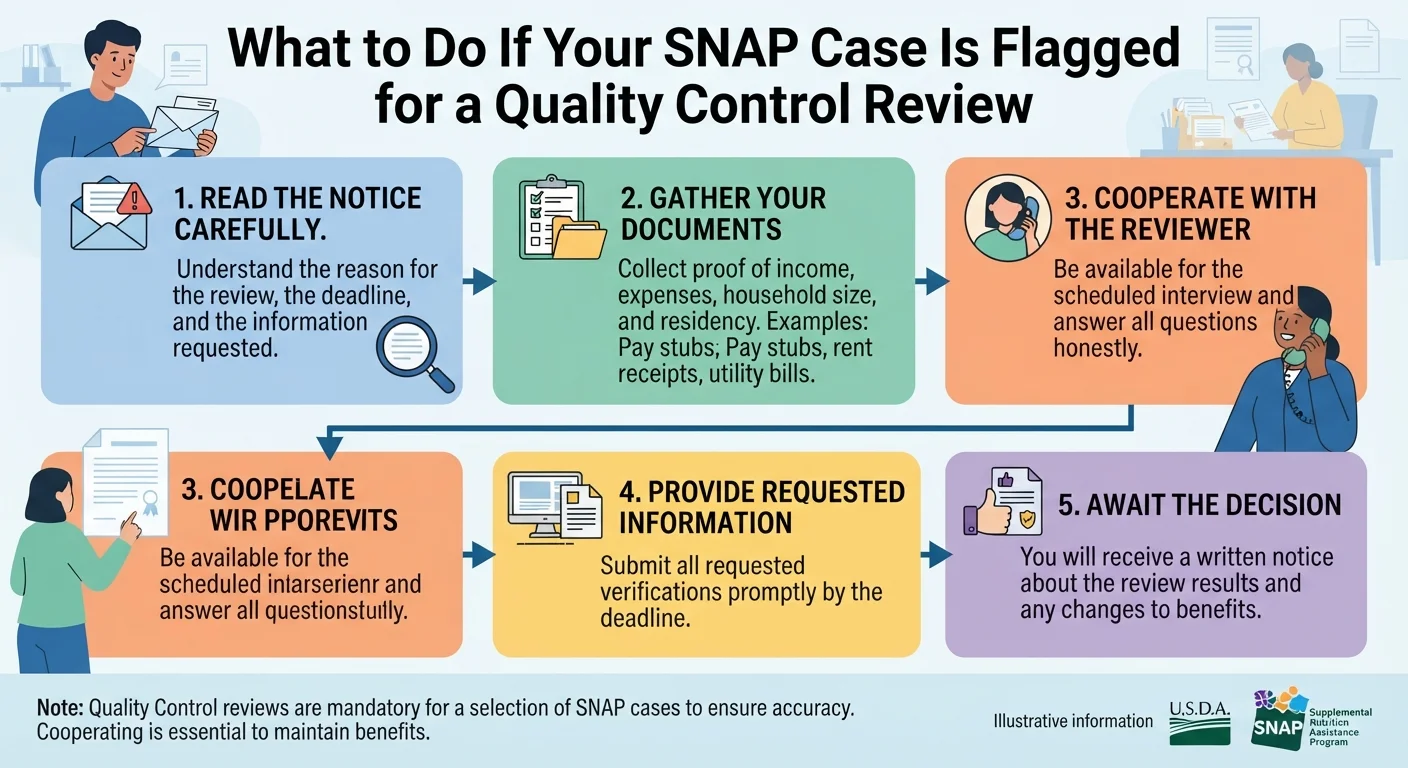
SNAP applications go through a state health and human services agency, typically online, with a phone interview and a 30-day (or 7-day expedited) decision timeline. WIC applications go through a local WIC clinic, usually in person or by phone/video appointment, and include a required health and nutrition screening in addition to the income check there's no separate "interview" step in the SNAP sense, but the clinic visit serves a similar verification purpose.
FAQ
Can I get SNAP and WIC at the same time?
Yes. The programs serve different purposes, and eligibility for one does not disqualify you from the other. Many families with young children use both.
Which program has stricter eligibility rules?
WIC is more restrictive in who can apply only pregnant/postpartum/breastfeeding women, infants, and children under 5 while SNAP is open to any qualifying household regardless of composition.
Does WIC require a health checkup?
Yes. WIC requires a free nutritional risk screening by a health professional as part of enrollment; SNAP does not.
If I already have SNAP, do I still need to prove income for WIC?
No. SNAP participation automatically satisfies WIC's income eligibility requirement.