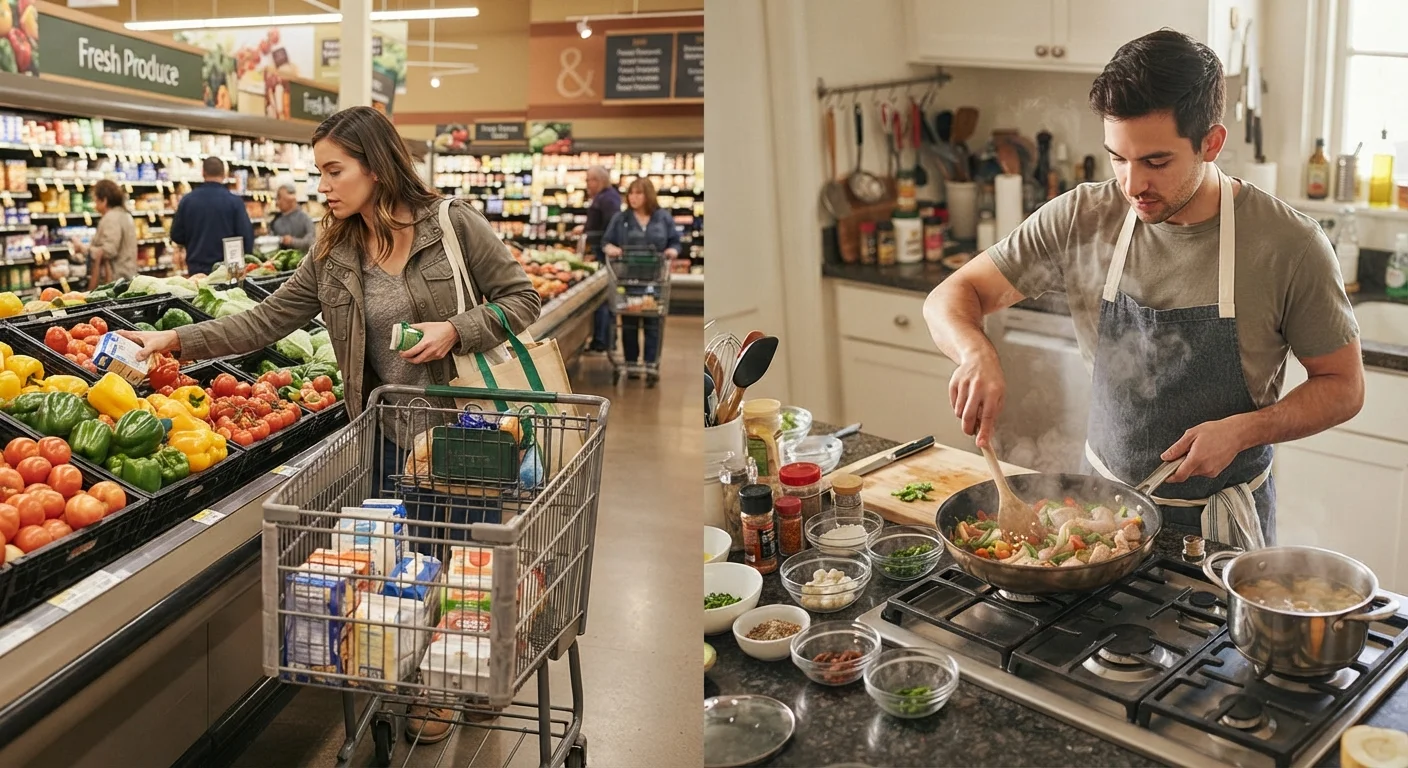
If you typically buy and prepare most of your own food separately from the people you live with, you should qualify for your own, independent SNAP household regardless of whether you formally have a separate kitchen setup, and their income generally isn't counted toward your eligibility. You're also generally not required to list a roommate's name, Social Security number, or other personal information on your application unless you're buying and preparing most of your food together with them.
This guide is independently written and is not affiliated with USDA, OPM, or the official federal Feds Feed Families campaign.
The Core Test: Food, Not Address
SNAP household rules are based on a simple underlying assumption, that it costs less to feed a group of people who share the cost of buying and preparing food together, so the actual test for whether you're part of someone's SNAP household comes down to whether you genuinely buy and prepare a majority of your food together, not simply whether you share the same address or lease.
You Don't Need Separate Kitchen Facilities
- The Core Test: Food, Not Address
- You Don't Need Separate Kitchen Facilities
- You Don't Have to List Roommates Who Aren't Part of Your Case
- What Happens If You Have Little or No Income
- A Concrete Example of a Qualifying Separate Household
- Occasional Shared Meals Don't Automatically Combine Your Household
- The Adult-Child-Living-With-a-Parent Situation
- Where This Gets More Complicated: Boarders
- Be Prepared to Explain Your Situation to a Caseworker
- FAQ
- Do I need a separate kitchen to qualify as my own SNAP household from a roommate?
- Do I have to list my roommate's information on my SNAP application?
- Can I qualify as my own household even with little or no income?
- What is a "boarder" and how is that different from a roommate?
A common misconception is that qualifying as your own household requires a physically separate kitchen, refrigerator, or stove. In reality, you're not required to store your food separately or use different cooking equipment at all to qualify, and you don't even need to have cooking facilities of your own to be eligible for SNAP, which specifically also allows people experiencing homelessness to qualify.
You Don't Have to List Roommates Who Aren't Part of Your Case
If you're sharing an apartment with people who don't buy and prepare food with you, you generally aren't required to include their names, Social Security numbers, or other personal information on your SNAP application at all, since they're simply not part of your household for the program's purposes.
-
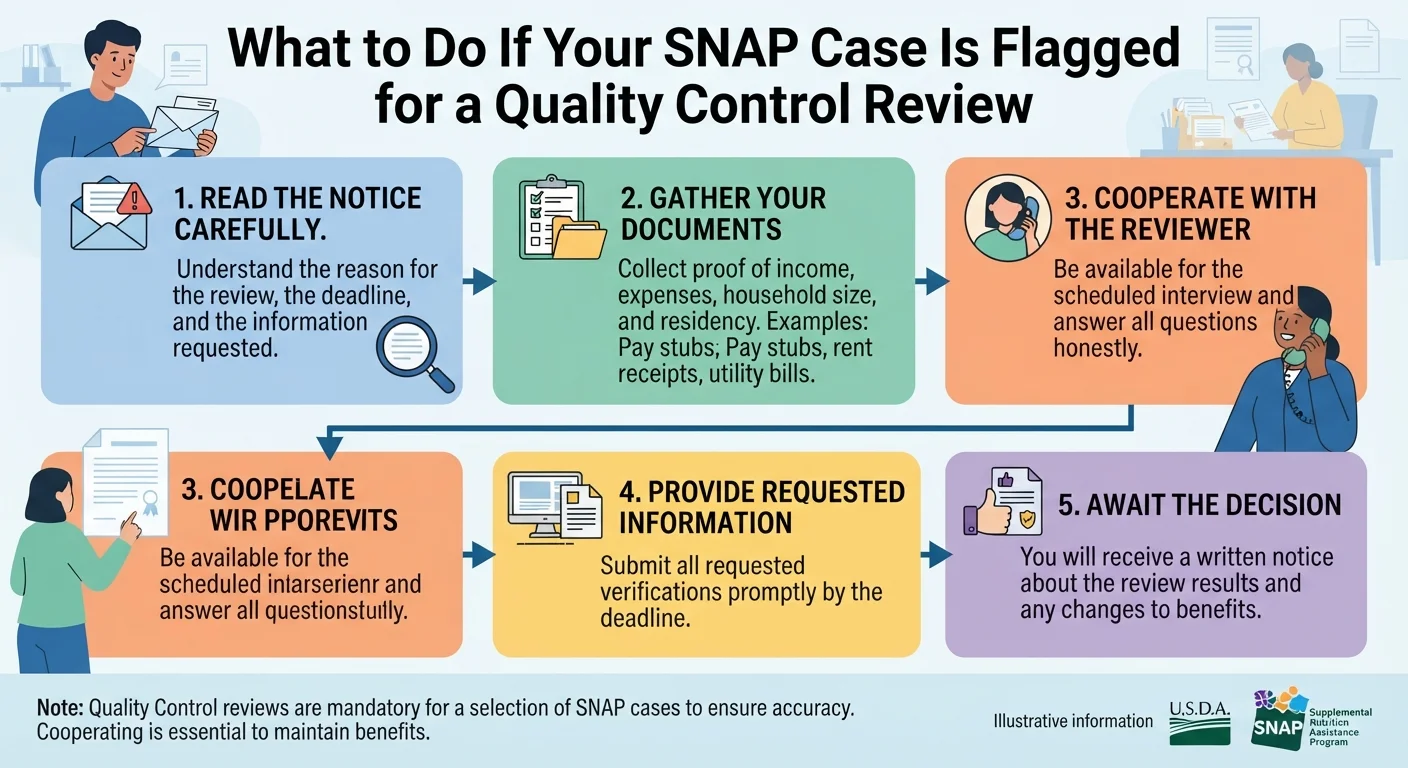
What to Do If Your SNAP Case Is Flagged for a Quality Control Review
What Happens If You Have Little or No Income
Even if you have very little or no income to buy your own food, you can still qualify as your own separate SNAP household, whether you're relying on a local food pantry, borrowing money occasionally, or getting by another way. A caseworker should only ask for additional proof of your specific living situation if the information you've provided seems genuinely questionable, not simply because your income is low.
A Concrete Example of a Qualifying Separate Household
Consider two roommates, one of whom recently lost her job and started receiving food from a local pantry while the other continues working. Even though they occasionally share a meal together, if they primarily buy and prepare the majority of their food separately, they can both be recognized as separate SNAP households, each evaluated on their own individual income and circumstances.
Recommended Articles
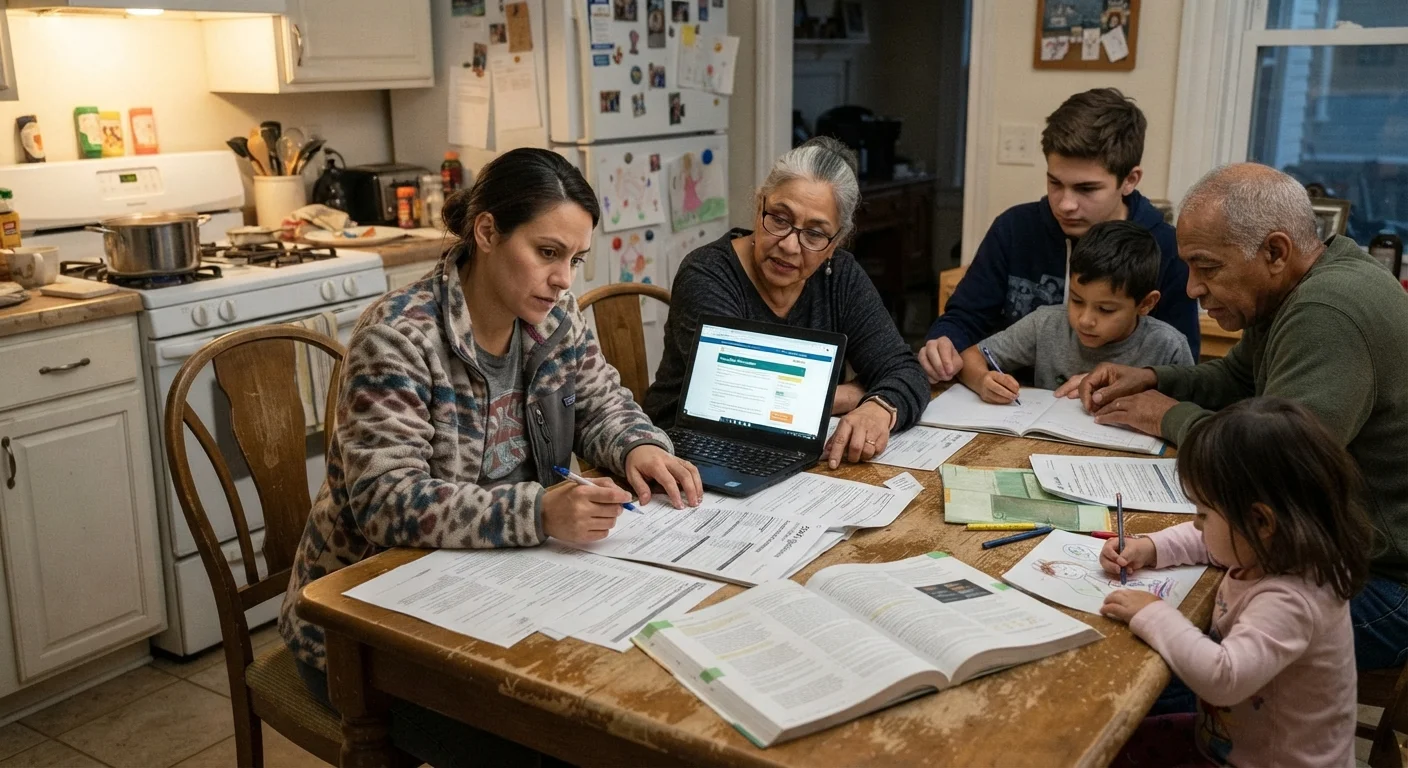 SNAP EBT
 SNAP EBT
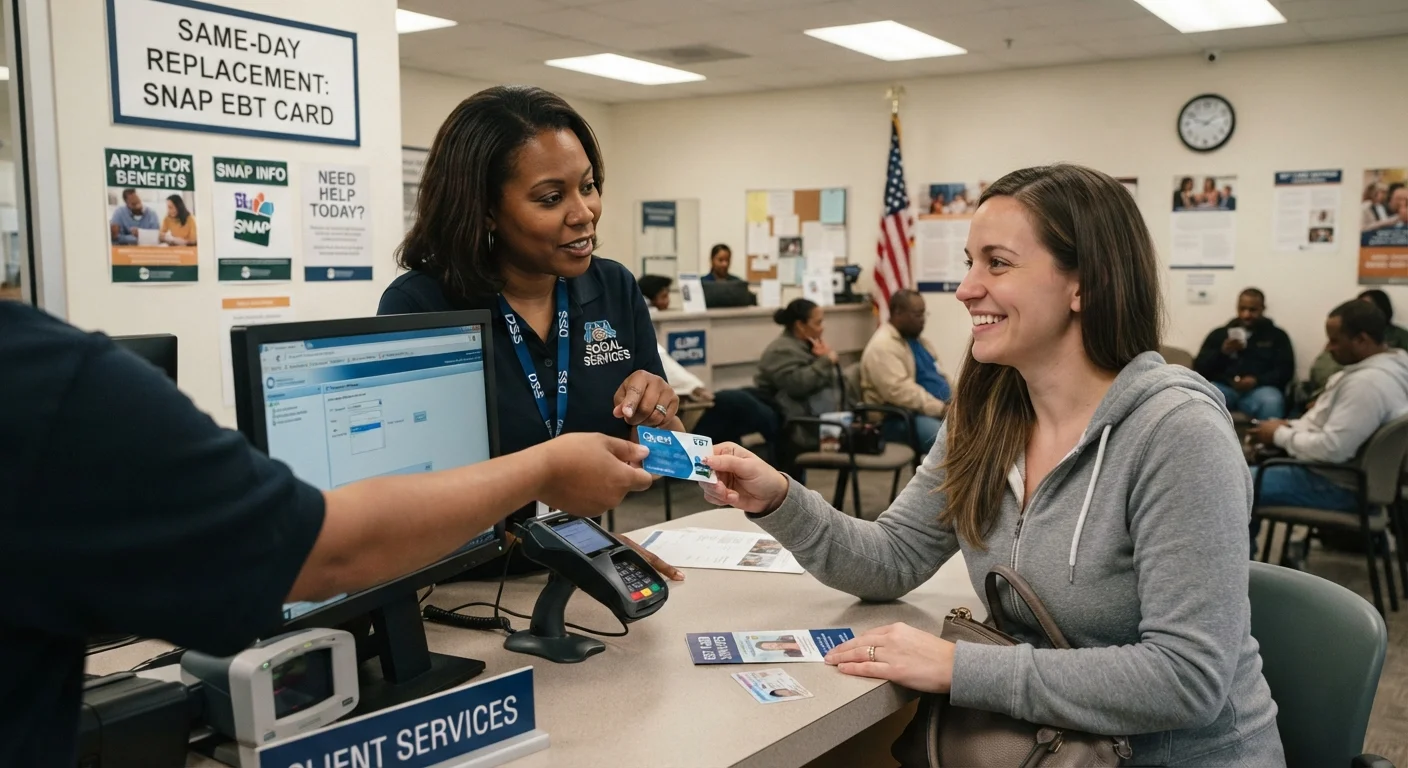 SNAP EBT
 SNAP EBT
Occasional Shared Meals Don't Automatically Combine Your Household
Sharing a meal together occasionally, splitting a pizza on a Friday night or cooking dinner together once in a while, doesn't automatically make you part of the same SNAP household as your roommate, as long as the majority of your regular food buying and preparation happens separately.
The Adult-Child-Living-With-a-Parent Situation
If you're a legal adult living with a parent but you're not their dependent and you buy and prepare food separately, you and your parent may be recognized as separate SNAP households, evaluated based on your own individual income rather than combined. This is distinct from the specific federal rule requiring most people under 22 living with a parent to be included in that parent's household, which applies regardless of separate food preparation in most cases.
Where This Gets More Complicated: Boarders
It's worth understanding one important distinction: if your rent explicitly includes prepared meals as part of the arrangement, whether that's a formal boarding situation or a landlord who cooks for you as part of your rent agreement, you likely qualify as a "boarder" rather than an independent household member, a different classification with its own specific SNAP rules. An occasional, informal meal from a landlord out of kindness doesn't create this classification, but an arrangement where meals are explicitly part of what you're paying for does.
Be Prepared to Explain Your Situation to a Caseworker
When you apply, you'll be asked to list everyone living at your address and describe whether you purchase and prepare food together, and if you indicate you're a separate household from a roommate, expect your caseworker to ask follow-up questions during your interview to confirm this, which is a normal, expected part of the process rather than a sign of suspicion.
Read More Articals
FAQ
Do I need a separate kitchen to qualify as my own SNAP household from a roommate?
No. You're not required to have separate cooking facilities, store your food separately, or use different equipment, only to actually buy and prepare most of your food separately.
Do I have to list my roommate's information on my SNAP application?
Generally no, if they're not part of your household, meaning you don't buy and prepare most of your food together, though the application will still ask you to describe your living situation.
Can I qualify as my own household even with little or no income?
Yes. Low or no income doesn't disqualify you from being recognized as a separate household, whether you're relying on a food pantry, borrowing money, or getting by another way.
What is a "boarder" and how is that different from a roommate?
A boarder is someone whose rent explicitly includes prepared meals as part of the arrangement, which creates a different SNAP classification than a standard roommate situation where meals aren't part of the formal agreement.
Sources: Massachusetts Legal Help, Propel SNAP household rules guidance, LegalClarity, Pennsylvania Department of Human Services Policy Manual.