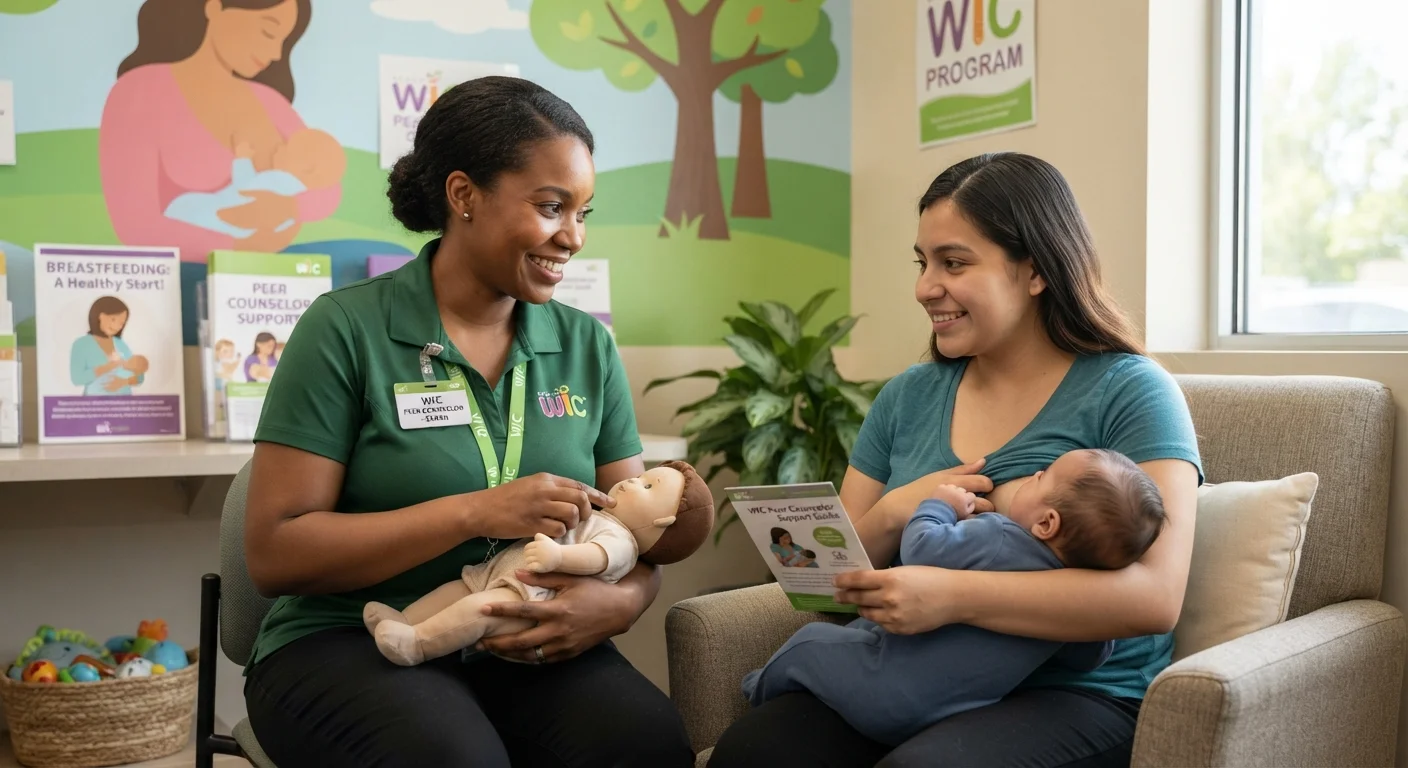
A WIC peer counselor is a mother in your own community with personal breastfeeding experience, trained to provide mother-to-mother support through group settings, one-on-one counseling, and phone or text contact, often available in the evenings and on weekends specifically because that's when most new parents actually have breastfeeding questions.
This guide is independently written and is not affiliated with USDA, OPM, or the official federal Feds Feed Families campaign.
Why WIC Uses Peer Counselors Specifically
Peer counselors are specifically trained to support mothers with similar backgrounds, including shared language, race or ethnicity, and socioeconomic status, based on the understanding that talking to someone who genuinely understands your specific situation, rather than only a clinical professional, helps new parents feel more comfortable asking questions and sticking with breastfeeding through early challenges.
What a Peer Counselor Actually Provides
- Why WIC Uses Peer Counselors Specifically
- What a Peer Counselor Actually Provides
- Where and How You'll Actually Connect With One
- Contact Frequency Follows a Structured Schedule
- Referral to a Designated Breastfeeding Expert
- The WIC Buddy Program
- How Peer Counselors Are Trained
- Becoming a Peer Counselor Yourself
- FAQ
- What is a WIC peer counselor?
- Can I reach a peer counselor outside of regular WIC clinic hours?
- How often will a peer counselor contact me after I give birth?
- What happens if my breastfeeding challenge is too complex for a peer counselor?
A peer counselor can give basic breastfeeding information, help you get a good start with breastfeeding in the hospital or at home, offer tips for nursing comfortably, including in public, help troubleshoot common concerns, and provide guidance on maintaining milk supply when returning to work or school. They're also very familiar with WIC's own resources and know when to refer a mother to more specialized help.
Where and How You'll Actually Connect With One
Peer counseling happens across several different settings depending on your specific WIC agency and your own preferences: some counselors meet with mothers in person during regular WIC clinic hours, some visit new mothers directly in the hospital to help establish breastfeeding right after birth, and many communicate by phone, text, email, or social media specifically so a mother can reach out with a question when the WIC clinic itself isn't open.
Contact Frequency Follows a Structured Schedule
Peer counseling isn't a one-time conversation, it follows a documented, structured contact schedule in many states: prenatal participants are typically contacted every 4 weeks, increasing to every 1 to 2 weeks in the final month before the due date. After birth, contact frequency increases significantly, within 24 hours if a mother reports a breastfeeding problem, every 2 to 3 days during the first week postpartum, weekly through the rest of the first month, and continuing at regular intervals through the child's first 6 months, with additional check-ins specifically timed around a mother's return to work or school.
Recommended Articles
 WIC FAMILY NUTRITION
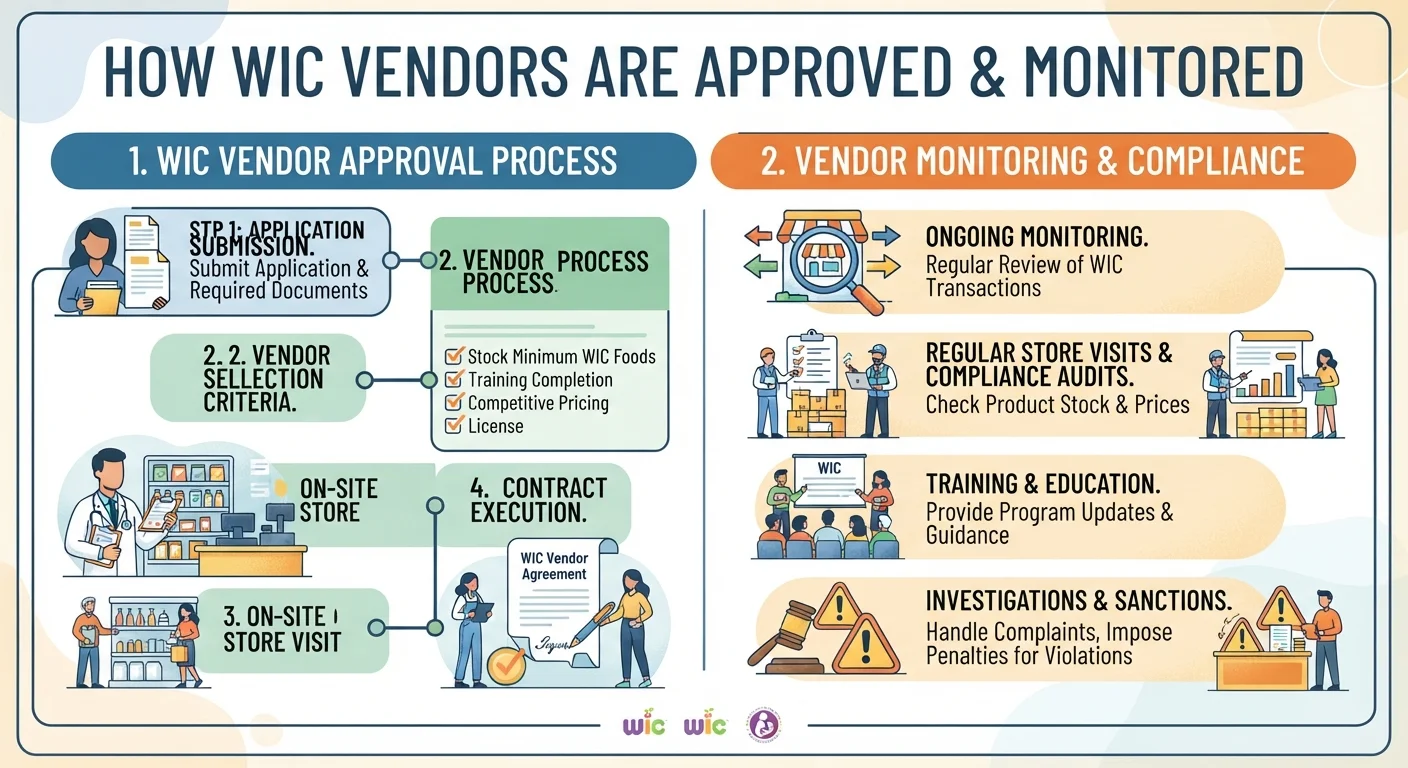 WIC FAMILY NUTRITION
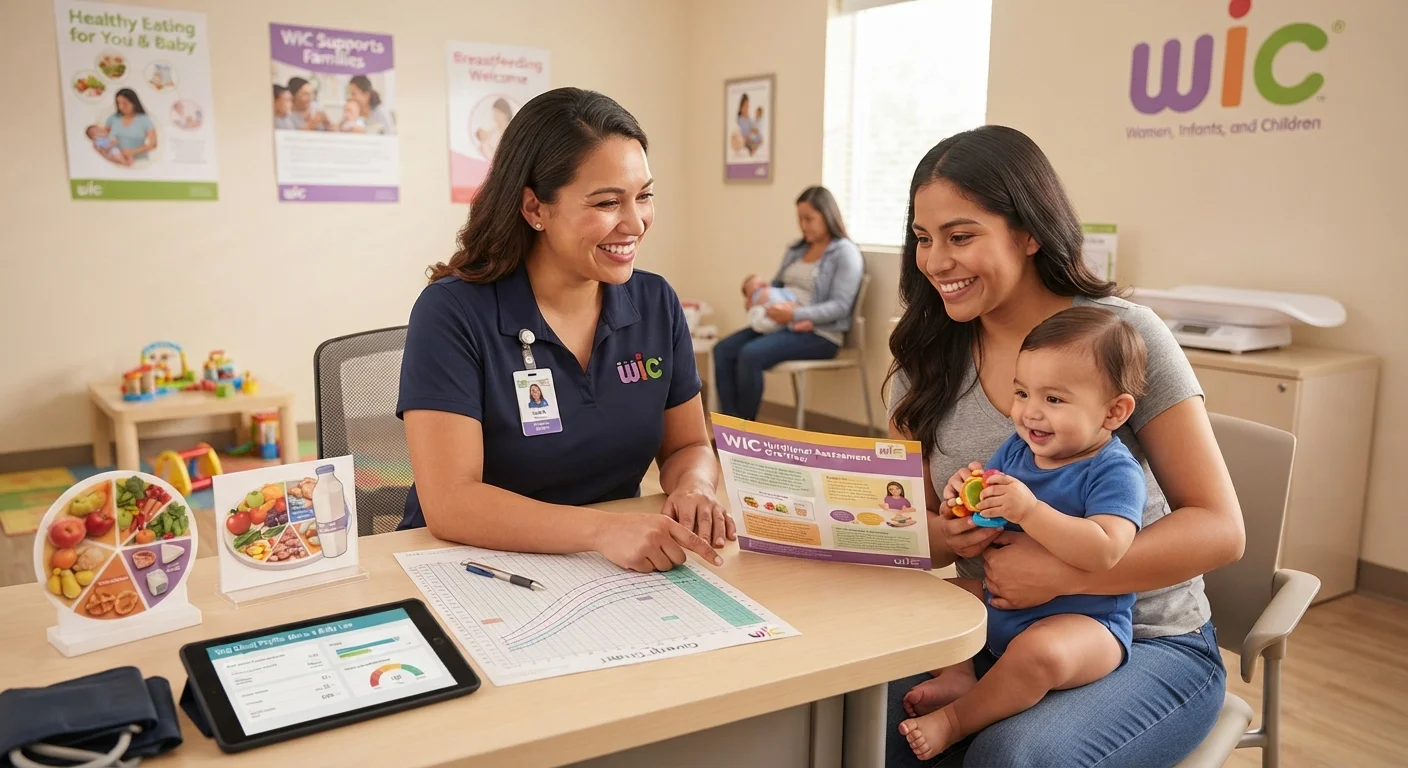 WIC FAMILY NUTRITION
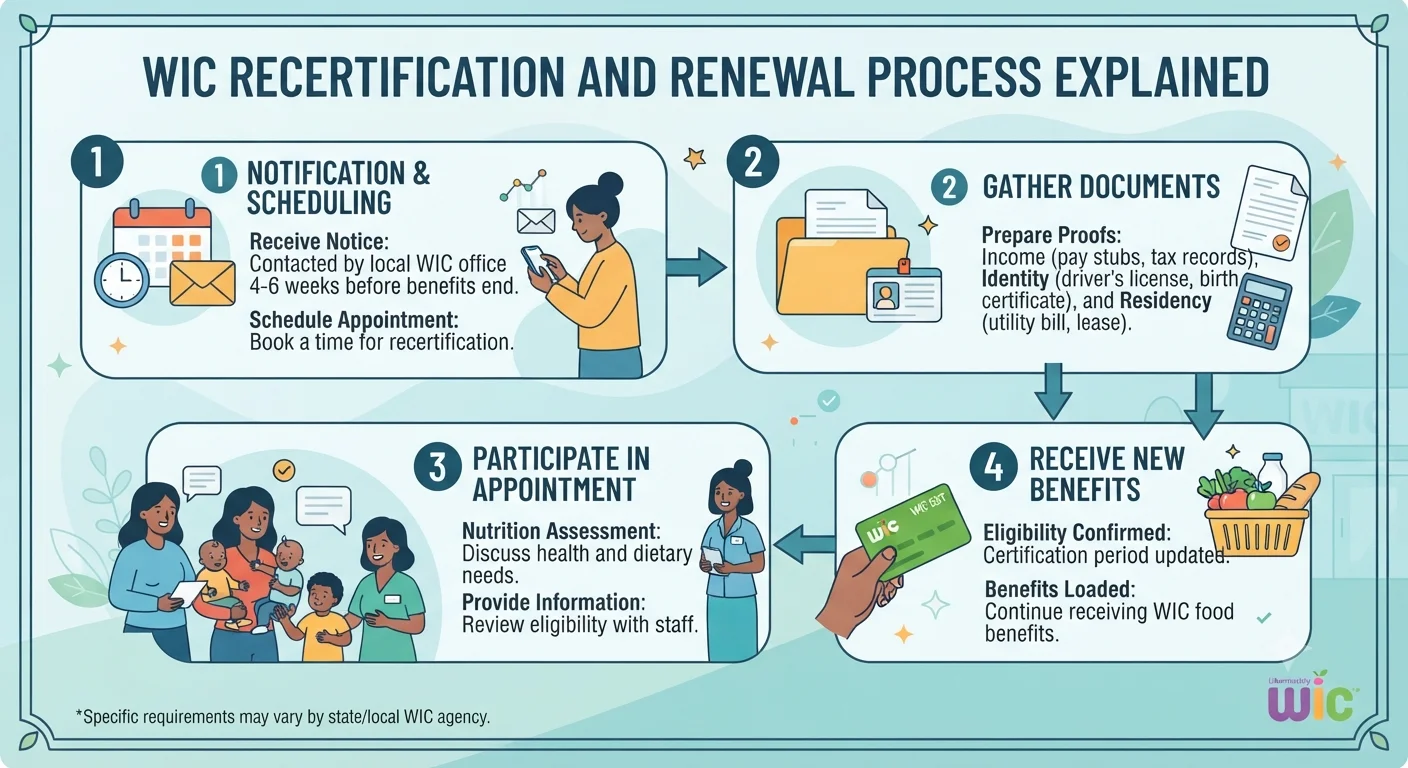 WIC FAMILY NUTRITION
Referral to a Designated Breastfeeding Expert
If a breastfeeding challenge is complex enough to fall outside a peer counselor's training, they can refer you directly to a WIC Designated Breastfeeding Expert, a more advanced level of support specifically trained to handle difficult situations beyond routine coaching, ensuring you're not left without more specialized help if a straightforward issue turns out to be more complicated.
The WIC Buddy Program
Beyond one-on-one peer counseling, some WIC agencies also offer a Buddy Program, pairing you with another new mother, or a small group of mothers, often with babies around the same age or due dates close to yours, so you can share experiences and support each other through the specific ups and downs of early parenthood alongside your formal peer counselor relationship.
How Peer Counselors Are Trained
Peer counselors complete structured, multi-level training before working independently with WIC families, commonly including dozens of hours of live instructional training combined with independent study and shadowing, ensuring they have a solid foundation in breastfeeding support before beginning to counsel new mothers on their own.
Becoming a Peer Counselor Yourself
If you've breastfed your own baby and want to give back to your community, most WIC agencies actively recruit peer counselors from among current or former WIC participants, and contacting your local WIC clinic directly is the way to learn more about becoming one yourself.
Read More Articals
FAQ
What is a WIC peer counselor?
A mother from your own community with personal breastfeeding experience, trained by WIC to provide mother-to-mother support through phone, text, in-person, or hospital visits.
Can I reach a peer counselor outside of regular WIC clinic hours?
Often yes. Many peer counselors are specifically available by phone or text in the evenings and on weekends, when new parents most commonly have breastfeeding questions.
How often will a peer counselor contact me after I give birth?
This follows a structured schedule in many states, ranging from every 2 to 3 days in the first week postpartum to monthly check-ins through the first several months, with additional contact if you report a specific problem.
What happens if my breastfeeding challenge is too complex for a peer counselor?
They can refer you directly to a WIC Designated Breastfeeding Expert, a more advanced level of support trained specifically for complex breastfeeding challenges.
Sources: USDA blog "Supporting WIC Breastfeeding Moms," USDA WIC Breastfeeding Support (wicbreastfeeding.fns.usda.gov), Colorado Department of Public Health and Environment WIC, California WIC Policy and Procedure Manual.