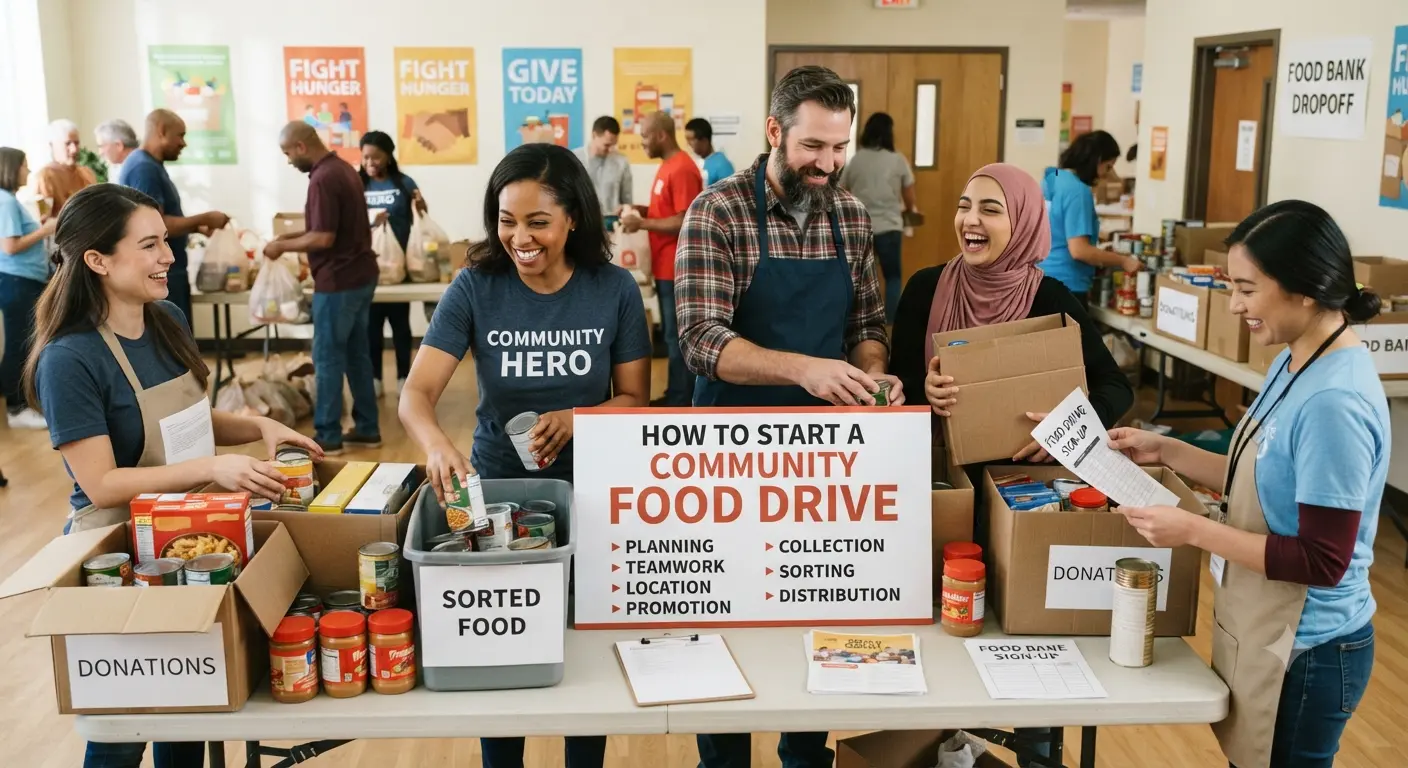
Organizing a successful food drive generally takes about three months of planning and coordination, starting with partnering directly with a local food bank or pantry to understand what they actually need, then setting a clear collection goal, choosing a collection method, and promoting the drive consistently through the weeks leading up to it.
This guide is independently written and is not affiliated with USDA, OPM, or the official federal Feds Feed Families campaign.
Step 1: Partner With a Local Food Bank or Pantry First
Before planning any logistics, contact a local food bank or pantry to ask what they specifically need, rather than assuming. Food banks often have detailed knowledge of seasonal gaps, dietary needs in their community, and which items tend to be over-donated versus under-donated, and many will provide collection bins, promotional materials, or even a staff contact to support your effort once you've registered your drive with them.
Step 2: Set a Clear, Measurable Goal
- Step 1: Partner With a Local Food Bank or Pantry First
- Step 2: Set a Clear, Measurable Goal
- Step 3: Choose Your Collection Method
- Step 4: Set a Timeline
- Step 5: Promote Consistently
- Step 6: Recruit and Organize Volunteers
- Step 7: Collect, Sort, and Deliver
- Step 8: Share Results and Say Thank You
- FAQ
- How long does it take to plan a food drive?
- Should I contact a food bank before starting a food drive?
- What is the best collection method for a food drive?
- What should I do after the food drive ends?
Decide who you're aiming to help, how long the drive will run, and what specific target you're working toward, whether that's a number of pounds collected, a number of boxes filled, or a dollar amount raised. A concrete, specific goal, such as collecting 500 pounds of food or filling 50 boxes, gives participants something tangible to work toward and makes it easier to communicate progress and celebrate the result at the end.
Step 3: Choose Your Collection Method
Several proven collection formats work well depending on your community and resources:
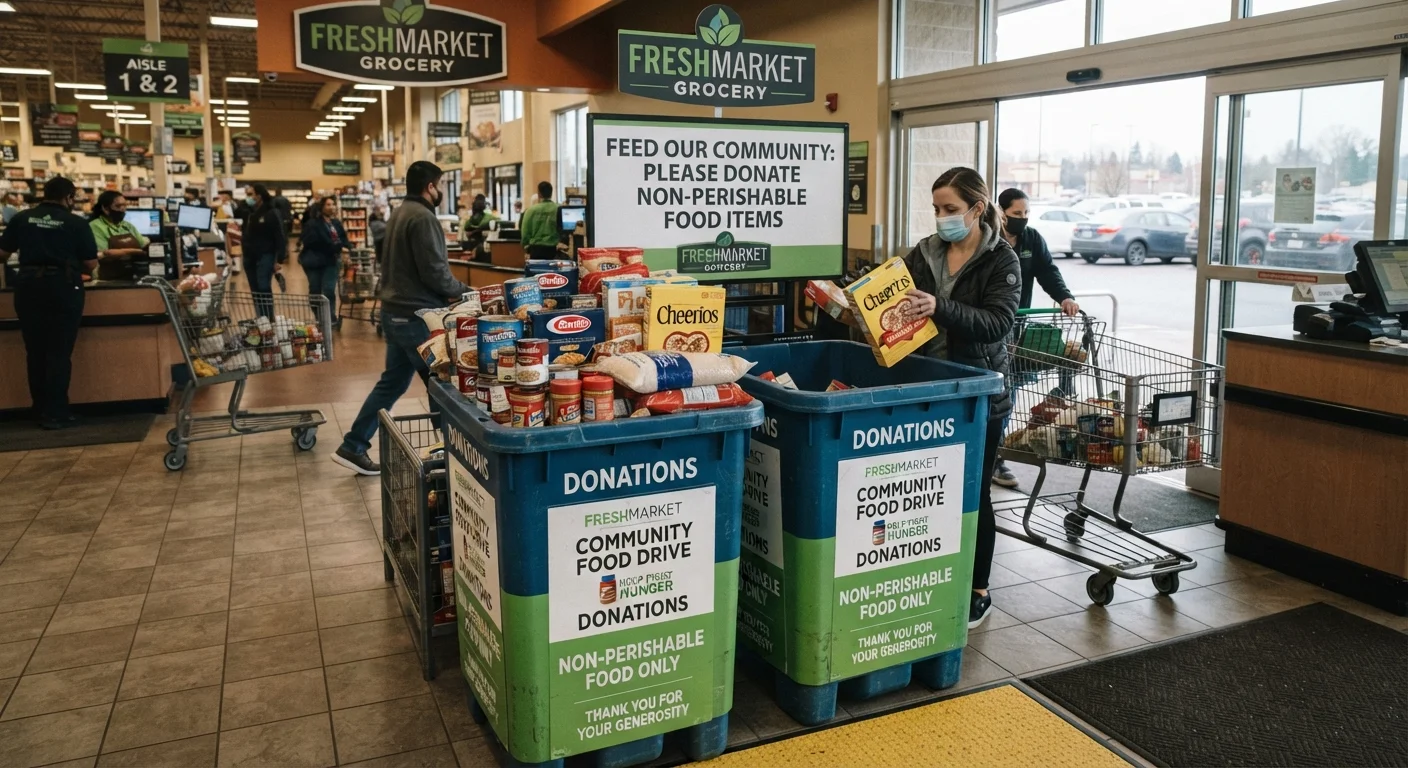
- Central drop-off bins placed in high-traffic areas like schools, workplaces, or community centers, with clear signage encouraging spontaneous donations
- Door-to-door collection, where volunteers distribute bags or flyers to households with instructions on what to donate and when to leave items out for pickup
- Event-based drives tied to an existing gathering, such as a sports game, concert, or festival, where a food donation serves as the price of admission or an add-on ask
Step 4: Set a Timeline
A one-day event creates urgency and can generate a concentrated burst of donations, while a week-long or month-long drive gives people more time to contribute and remember to bring items in. Seasonal timing matters too, since drives held around the winter holidays tend to tap into an existing spirit of giving, though food banks generally see the steadiest need throughout the entire year, not just during the holiday season.
Recommended Articles
 CHARITABLE GIVING VOLUNTEERING
 CHARITABLE GIVING VOLUNTEERING
 CHARITABLE GIVING VOLUNTEERING
 CHARITABLE GIVING VOLUNTEERING
Step 5: Promote Consistently
Use a multi-channel approach rather than relying on a single announcement:
- Create eye-catching posters or signage for collection bins
- Post regular updates on social media platforms, including progress toward your stated goal
- Send email announcements through workplace, school, or community organization channels
- If your drive runs longer than a single day, send periodic updates on donation totals to maintain momentum and encourage a final push near the end
Step 6: Recruit and Organize Volunteers
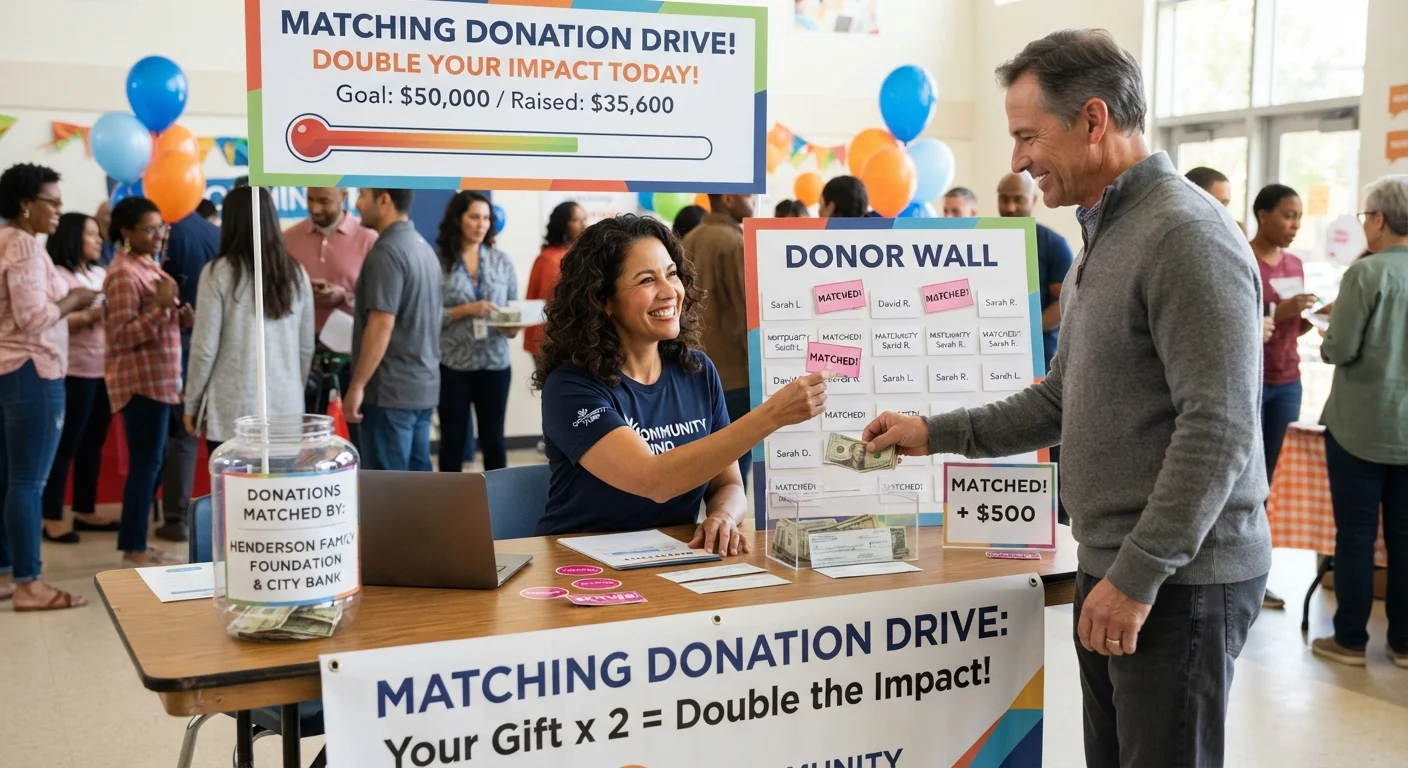
Form a small planning committee to divide responsibilities, from managing collection bins to handling promotion and coordinating final delivery. Many corporations support employee volunteering for hunger relief efforts specifically, so it's worth checking whether a local workplace would sponsor volunteer time or a matching donation as part of your drive.
Step 7: Collect, Sort, and Deliver
Once your drive concludes, sort donations to remove anything expired or damaged, and coordinate a delivery time or pickup with your partner food bank or pantry, since many organizations prefer scheduled drop-offs over unannounced deliveries so they can properly receive and store a large volume of food. Weighing or counting your total donation before delivery also gives you a concrete final number to share with participants.
Step 8: Share Results and Say Thank You
Communicating your final results, whether that's total pounds collected, meals provided, or dollars raised, closes the loop for everyone who participated and helps build momentum for a future drive. A simple thank-you message to donors and volunteers goes a long way toward making people want to participate again.
FAQ
How long does it take to plan a food drive?
Most successful food drives take about three months of planning and coordination, from initial partnership with a food bank through final promotion and collection.
Should I contact a food bank before starting a food drive?
Yes. Reaching out first helps you understand what items are actually needed, and many food banks provide bins, promotional materials, or staff support once your drive is registered with them.
What is the best collection method for a food drive?
It depends on your community. Central drop-off bins work well for ongoing visibility, door-to-door collection builds personal community connection, and event-based drives can generate a large volume quickly by tying donations to an existing gathering.
What should I do after the food drive ends?
Sort donations to remove anything expired or damaged, coordinate a scheduled delivery with your partner food bank, and share your final results with participants to say thank you and build momentum for future drives.
Sources: Feeding America, Rotary International food drive guidance, Golden Volunteer food drive planning guide.