
Registered dietitians who work directly with limited-income households consistently emphasize the same core message: a strict budget and a genuinely balanced diet are not in conflict, and in some cases, someone managing a tight food budget with careful planning eats more nutritiously than someone spending more but relying heavily on processed convenience food.
This guide is independently written and is not affiliated with USDA, OPM, or the official federal Feds Feed Families campaign. It provides general informational content, not individualized nutrition advice; consult a registered dietitian for guidance specific to your household.
Start With a Simple Plate Framework
Rather than tracking every nutrient individually, registered dietitians often recommend a simple visual framework: aim to fill about half a plate with vegetables, and include a meaningful protein source at each meal. This kind of straightforward, repeatable guideline is easier to sustain on a tight budget than a complex nutrient-counting system, and it doesn't require any specialized ingredients to follow.
Frozen and Canned Produce Count as Real Produce
- Start With a Simple Plate Framework
- Frozen and Canned Produce Count as Real Produce
- Build Around a Few Reliable, Affordable Proteins
- Whole Grains Where They Genuinely Matter
- Plan Meals Before Shopping, Not After
- SNAP-Ed: A Free Resource Worth Knowing About
- Community Support Beyond SNAP-Ed
- Progress, Not Perfection
- FAQ
- Is it actually possible to eat a balanced diet on a very tight food budget?
- Are frozen and canned vegetables as healthy as fresh?
- What is SNAP-Ed?
- Do I need to eliminate white rice or other refined grains for a balanced diet?
Dietitians consistently point out that frozen and canned fruits and vegetables are nutritionally comparable to fresh, and in some cases better, since produce frozen at peak ripeness retains its nutrients well, while fresh produce that's traveled a long distance may have already lost some nutritional value by the time it reaches the shelf. Choosing canned or frozen options without added sugar, salt, or heavy syrup keeps this benefit intact while typically costing less and lasting far longer than fresh.
Build Around a Few Reliable, Affordable Proteins
Eggs, beans, lentils, canned tuna, and chicken thighs are repeatedly cited by dietitians as strong, affordable protein sources that don't require sacrificing nutritional quality for cost. Rotating through a small set of these staples, rather than trying to buy a wide variety of proteins every week, keeps both the grocery bill and the meal planning process considerably more manageable.
Whole Grains Where They Genuinely Matter
Choosing whole grains, brown rice, whole wheat bread, oats, provides more fiber than refined versions, but dietitians are also clear that white rice remains a genuinely healthy, nutritious source of energy and micronutrients, and it's often more affordable and easier for some households to prepare consistently. This kind of flexibility, rather than an all-or-nothing rule, is a more realistic and sustainable approach on a strict budget.
Plan Meals Before Shopping, Not After
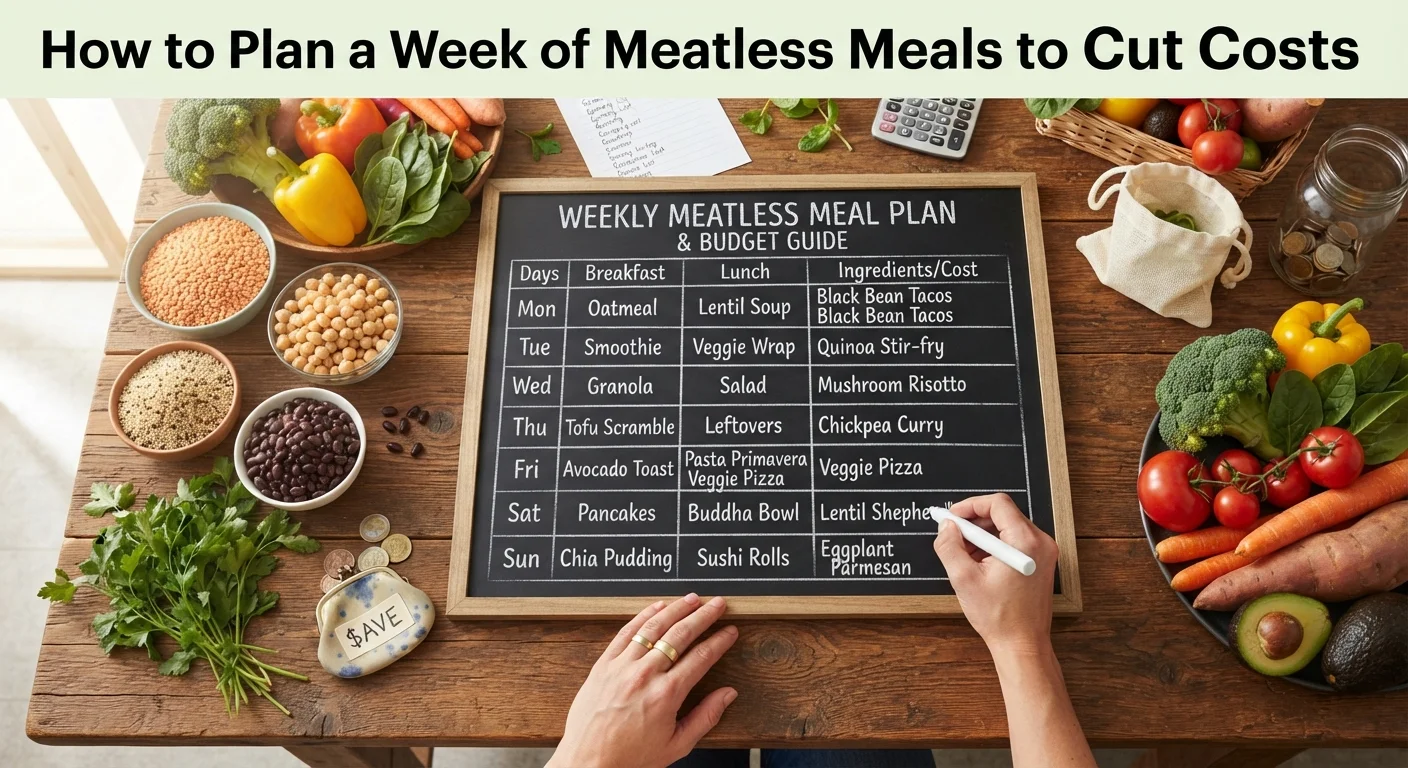
Menu planning before a shopping trip is consistently identified by dietitians as one of the most effective single habits for both nutritional balance and cost control, since it ensures a shopping list actually reflects planned, balanced meals rather than random items that may or may not combine into something nutritious once home.
Recommended Articles
 BUDGETING MEAL PLANNING
 BUDGETING MEAL PLANNING
 BUDGETING MEAL PLANNING
 BUDGETING MEAL PLANNING
SNAP-Ed: A Free Resource Worth Knowing About
USDA funds a program called SNAP-Ed, providing free, confidential nutrition education specifically for SNAP-eligible individuals and families, covering meal planning, budget-friendly shopping strategies, cooking skills, food safety, and reading nutrition labels. Classes are typically offered at no cost through local community locations like food pantries, libraries, and housing sites, and are led by trained nutrition educators rather than requiring you to figure out balanced eating entirely on your own. Searching "SNAP-Ed" along with your state name, or asking your local SNAP office directly, can connect you with available classes in your area.
Community Support Beyond SNAP-Ed
Some communities also offer mobile farmers markets and similar programs specifically bringing fresh, affordable produce to areas with limited grocery access, sometimes run by a local YMCA, health organization, or community action agency. Asking a local dietitian, community health center, or Area Agency on Aging about what's available in your specific area can uncover resources beyond the standard grocery store shopping trip.
Progress, Not Perfection
Dietitians working with clients across every income level tend to emphasize consistency over perfection, framing balanced eating as something built through repeatable, sustainable habits rather than a rigid, hard-to-maintain plan. On a strict budget specifically, this framing matters even more, since a genuinely sustainable, imperfect routine will support a household's nutrition far better over time than an ambitious plan that's too difficult to maintain past the first week.
Read More Articals
FAQ
Is it actually possible to eat a balanced diet on a very tight food budget?
Yes, according to registered dietitians who work directly with limited-income households, careful planning and a focus on affordable staples can produce a genuinely nutritious diet, sometimes more consistently than relying on convenience foods regardless of spending level.
Are frozen and canned vegetables as healthy as fresh?
Generally yes. They're nutritionally comparable, and in some cases frozen produce retains more nutrients than fresh produce that's traveled a long distance, as long as options without added sugar or salt are chosen.
What is SNAP-Ed?
A free, USDA-funded nutrition education program for SNAP-eligible individuals and families, offering classes on meal planning, budget shopping, cooking, and nutrition, typically at no cost through community locations like food pantries and libraries.
Do I need to eliminate white rice or other refined grains for a balanced diet?
Not necessarily. Dietitians note white rice remains a nutritious, affordable source of energy and micronutrients, and flexibility rather than strict elimination tends to be more sustainable on a tight budget.
Sources: Mayo Clinic Health System, National Council on Aging, USDA SNAP-Ed program guidance, University of Saskatchewan registered dietitian guidance.