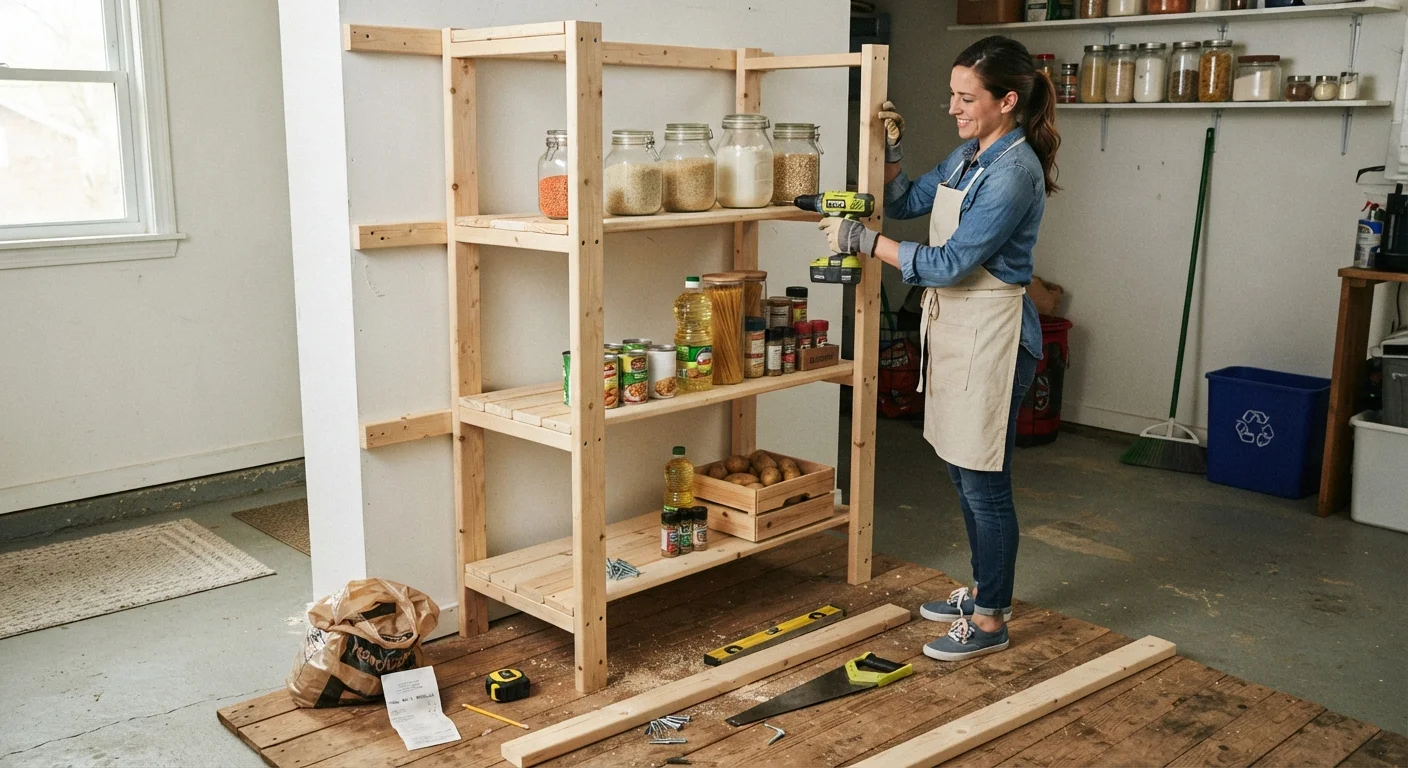
Starting a pantry with genuinely nothing on the shelves is a fundamentally different challenge than the popular budget meal plans that assume basic staples like oil, spices, and rice are already on hand, and it's honest to say upfront that $50 covers roughly a week of both eating and pantry-building, not a full stocked pantry in a single trip. A realistic approach spreads this over three to four weeks, buying enough to eat well right now while gradually adding the staples that make every future week's grocery trip cheaper and easier.
This guide is independently written and is not affiliated with USDA, OPM, or the official federal Feds Feed Families campaign.
Why This Genuinely Takes More Than One Trip
Most $50-a-week budget meal plans quietly assume a household already has oil, basic spices, and condiments on hand, then budget the additional $5 to $8 in the first week specifically to restock those fundamentals. Starting from truly nothing means that first assumption doesn't hold, so the honest expectation is spreading pantry-building across several weeks rather than treating one trip as the finish line.
Week One: Eat Well and Buy the Absolute Core
- Why This Genuinely Takes More Than One Trip
- Week One: Eat Well and Buy the Absolute Core
- The "One for Now, One for Later" Rule
- Expanding by Category, One Month at a Time
- Take Stock of What You Already Have First
- Prioritizing Multi-Use Ingredients First
- Where Price Matters Most
- Keeping Track So You Don't Duplicate Purchases
- Regional Prices Genuinely Vary
- FAQ
- Can really build a full pantry from nothing?
- What is the "one for now, one for later" rule?
- What should the very first pantry-building trip prioritize?
- Does a pantry budget stretch the same in every state?
The first trip should prioritize immediate meals over pantry stockpiling, focused on a small set of genuinely versatile staples: rice, dried or canned beans, eggs, cooking oil, salt, and one or two basic seasonings like garlic powder and black pepper. This covers several genuine meals right away while establishing the true foundation everything else builds on.
The "One for Now, One for Later" Rule
Once basic eating needs are covered in the first week or two, a practical rule for gradually building a surplus is buying two of a core staple each time one runs low, one to use immediately and one to set aside on the shelf, rather than always buying just enough for the current week. This slowly builds a genuine reserve without requiring a large lump-sum purchase all at once.
Expanding by Category, One Month at a Time
Dedicating a small, consistent portion of each week's or month's budget to expanding a single category, canned tomatoes and extra beans one month, a second type of pasta and a bag of oats the next, spices after that, keeps the process manageable and avoids the temptation to overspend trying to fill every shelf at once.
Recommended Articles
 BUDGETING MEAL PLANNING
 BUDGETING MEAL PLANNING
 BUDGETING MEAL PLANNING
 BUDGETING MEAL PLANNING
Take Stock of What You Already Have First
Before assuming a pantry is truly starting from zero, checking existing cabinets, even a half-used bottle of oil or a forgotten can in the back of a cupboard, is worth doing, since many households are closer to a functional starter pantry than they initially realize.
Prioritizing Multi-Use Ingredients First
Ingredients that show up across many different recipes, rice, canned tomatoes, onions, garlic, and a basic cooking oil, deliver the most meal-building value per dollar spent, since a single purchase of each supports dozens of different dish combinations rather than a single specialty recipe.
Where Price Matters Most
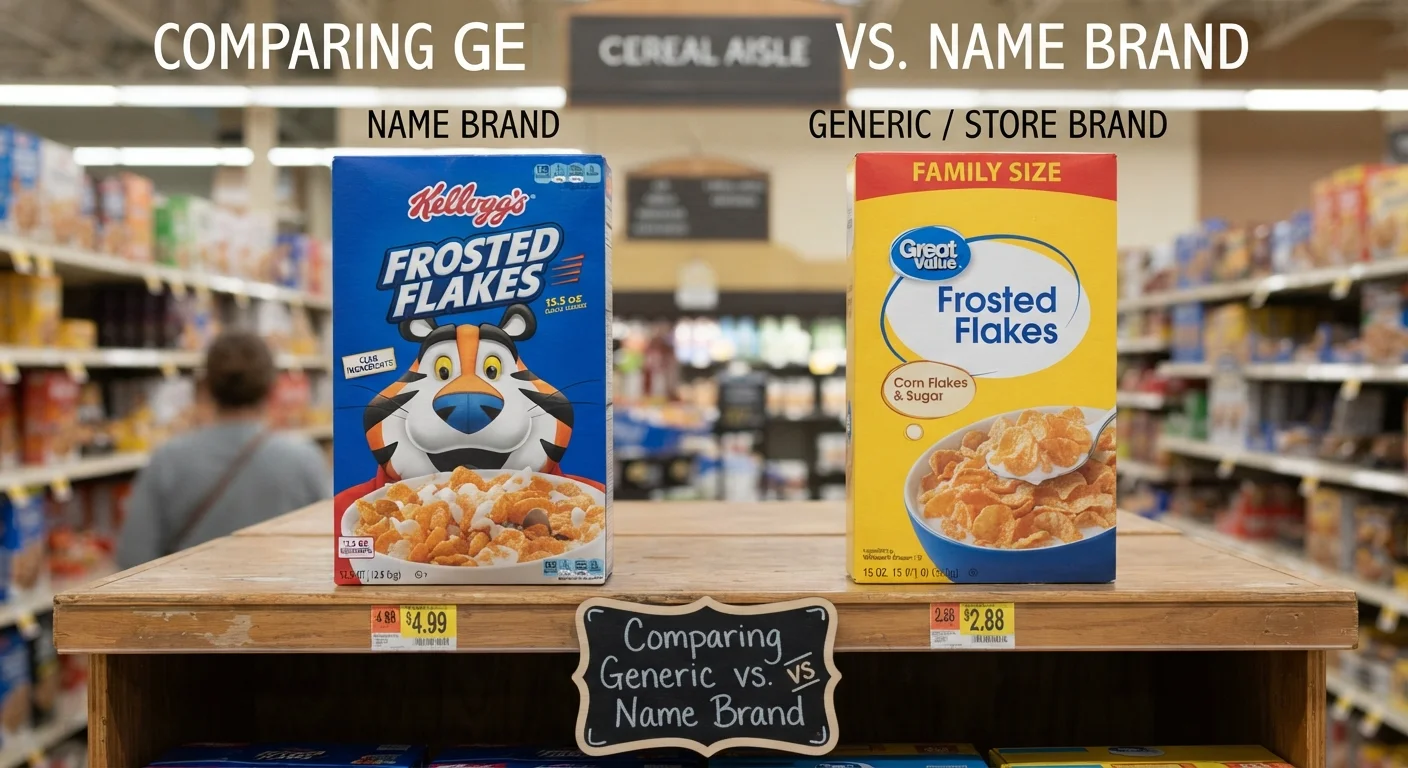
Watching for sales, checking bulk bins where available, and defaulting to store-brand versions of every staple genuinely stretches this kind of starter budget further, since the price gap between a name brand and a store brand on a basic pantry staple like rice or canned beans is often significant with essentially no difference in the finished meal.
Keeping Track So You Don't Duplicate Purchases
A simple running list, whether a notepad on the fridge or a note on a phone, tracking what's currently stocked and what's been used up, prevents the common and genuinely wasteful mistake of buying a fourth jar of the same spice simply because it wasn't obvious the pantry already had three.
Regional Prices Genuinely Vary
It's worth being upfront that a $50 starting budget stretches considerably further in some regions than others, since grocery prices genuinely differ by state and local market. Treating any specific dollar figure, including the one in this guide's title, as a rough starting point to adjust for local reality, rather than a fixed universal number, is the more accurate way to plan.
Read More Articals
FAQ
Can $50 really build a full pantry from nothing?
Not in a single trip. $50 realistically covers about a week of both eating and pantry-building, so a genuine starting-from-zero pantry is better planned as a three-to-four-week process rather than a one-time purchase.
What is the "one for now, one for later" rule?
A gradual pantry-building strategy where, once basic eating needs are met, buying two of a core staple, one to use now and one to set aside, slowly builds a genuine reserve without a large lump-sum purchase.
What should the very first pantry-building trip prioritize?
Immediate eating needs first, using a small set of versatile staples like rice, beans, eggs, oil, and basic seasonings, rather than trying to stockpile a wide variety of items before covering actual meals.
Does a $50 pantry budget stretch the same in every state?
No. Regional grocery price differences mean a specific dollar figure should be treated as a rough starting point to adjust for local prices, not a fixed universal number.
Sources: SummitPlate five-dinner budget planning, itsmekatevee's "4 Weeks to Pantry" starting-from-scratch guide, general pantry-building principles.