
A peer-reviewed cost comparison published in a medical journal found that gluten-free products cost an average of 242 percent more than their standard counterparts, and this kind of markup compounds quickly for a household managing multiple allergies simultaneously, since specialty products avoiding two, three, or more allergens at once often carry the steepest prices in the entire grocery aisle.
This guide is independently written and is not affiliated with USDA, OPM, or the official federal Feds Feed Families campaign. It provides general informational content, not individualized medical or dietary advice; consult your family's allergist or a registered dietitian for guidance specific to your situation.
Understanding the Real Scale of the Cost Gap
Beyond the peer-reviewed 242 percent average markup, real families managing celiac disease and multiple allergies together have reported grocery bills reaching several times what a comparable household without dietary restrictions spends, with some families documenting monthly totals in the multiple thousands of dollars for a household of just a few people. Understanding this isn't a matter of poor budgeting on the family's part, it reflects a genuine, well-documented structural cost gap in how specialty allergen-free products are manufactured and priced.
Why Specialty Products Cost So Much More
- Understanding the Real Scale of the Cost Gap
- Why Specialty Products Cost So Much More
- Prioritize Whole Foods That Are Naturally Free of Multiple Allergens
- Save Specialty Substitutes for Where They Genuinely Matter
- Make Novelty Items at Home Instead of Buying Them
- Find a Less Expensive Brand Where Brand Loyalty Isn't Medically Required
- Warehouse Clubs Often Carry a Genuine Range of Allergen-Free Options
- Watch for Grocery Delivery Markup
- FAQ
- How much more do gluten-free products actually cost?
- What's the most effective way to control grocery costs with multiple food allergies?
- Should a family with allergies always buy the specialty version of every product?
- Are warehouse clubs a good option for allergen-free grocery shopping?
Manufacturers of allergen-free products face genuinely higher production costs, including specialized manufacturing standards to prevent cross-contamination, more expensive substitute ingredients, and smaller production runs than mainstream products benefit from, all of which get passed directly to the shopper.
Prioritize Whole Foods That Are Naturally Free of Multiple Allergens
The single most effective cost strategy for managing multiple allergies is building meals around foods that are naturally free of the allergens in question, rather than relying primarily on manufactured specialty substitutes. Fresh produce, plain rice, plain meat, and most legumes are naturally gluten-free, dairy-free, and free of many common allergens without requiring a specialty label or premium price at all.
Save Specialty Substitutes for Where They Genuinely Matter
Rather than replacing every single item in the pantry with a specialty version, reserving the specialty, higher-cost purchases specifically for items where a substitute genuinely matters, like a specific bread or a shared-equipment product needed for a family member with a severe, specific sensitivity, while relying on naturally allergen-free whole foods for everything else, meaningfully controls the overall grocery total.
Recommended Articles
 BUDGETING MEAL PLANNING
 BUDGETING MEAL PLANNING
 BUDGETING MEAL PLANNING
 BUDGETING MEAL PLANNING
Make Novelty Items at Home Instead of Buying Them
Families managing significant dietary restrictions consistently recommend making items at home that would otherwise require an expensive specialty purchase, since a homemade version of a specific treat or condiment, even if it takes more time, often costs meaningfully less than the equivalent packaged, allergen-free product.
Find a Less Expensive Brand Where Brand Loyalty Isn't Medically Required
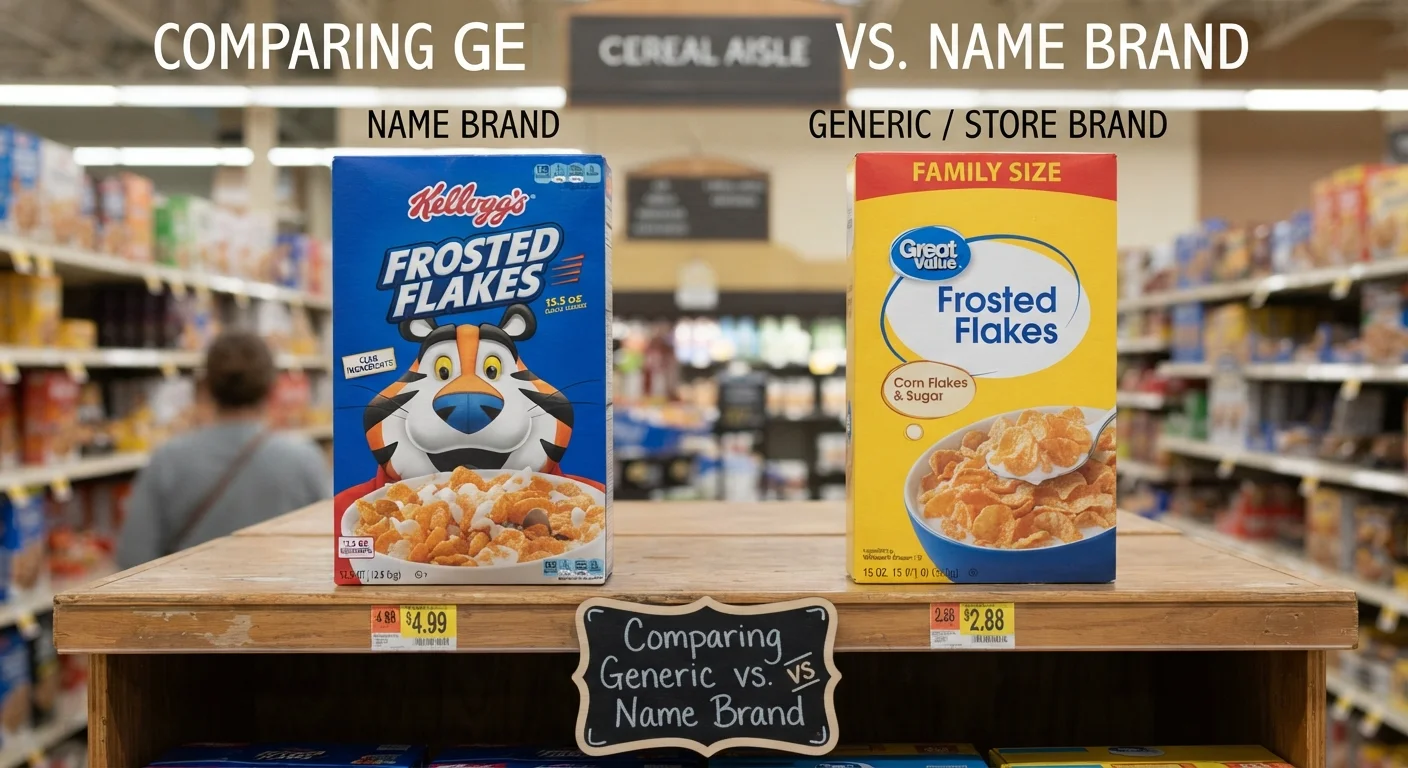
For products where cross-contamination or a very specific manufacturing standard genuinely isn't a concern, comparing prices across different allergen-free brands, rather than assuming they're all similarly priced, can reveal a meaningfully cheaper option that still meets the family's actual dietary needs.
Warehouse Clubs Often Carry a Genuine Range of Allergen-Free Options
Several families managing food allergies specifically point to warehouse clubs as carrying a surprisingly wide range of gluten-free and other allergen-specific products at meaningfully lower prices than a standard grocery store, along with a broad selection of naturally allergen-free fresh produce.
Watch for Grocery Delivery Markup
It's worth knowing that some grocery delivery platforms apply a meaningful markup over in-store prices, which can compound significantly on top of already expensive specialty allergen-free items, while a smaller number of delivery services operate more like a wholesale warehouse and price closer to standard grocery store rates. Comparing a specific service's pricing against your regular store before relying on it regularly is worth the extra step.
Read More Articals
FAQ
How much more do gluten-free products actually cost?
A peer-reviewed study found gluten-free products averaged 242 percent more expensive than their standard equivalents, though the specific gap varies significantly by individual product.
What's the most effective way to control grocery costs with multiple food allergies?
Building the majority of meals around whole foods that are naturally free of the allergens in question, rather than relying primarily on manufactured specialty substitutes, is the most effective overall strategy.
Should a family with allergies always buy the specialty version of every product?
Not necessarily. Reserving specialty purchases for items where a substitute genuinely matters, while relying on naturally allergen-free whole foods elsewhere, helps control overall spending.
Are warehouse clubs a good option for allergen-free grocery shopping?
Many families managing food allergies report warehouse clubs carry a surprisingly wide range of allergen-free products at meaningfully lower prices than a standard grocery store.
Sources: Peer-reviewed gluten-free cost comparison study (PubMed), CBC News reporting on celiac disease grocery costs, Money Bliss and The Allergy Chef family budgeting guidance.