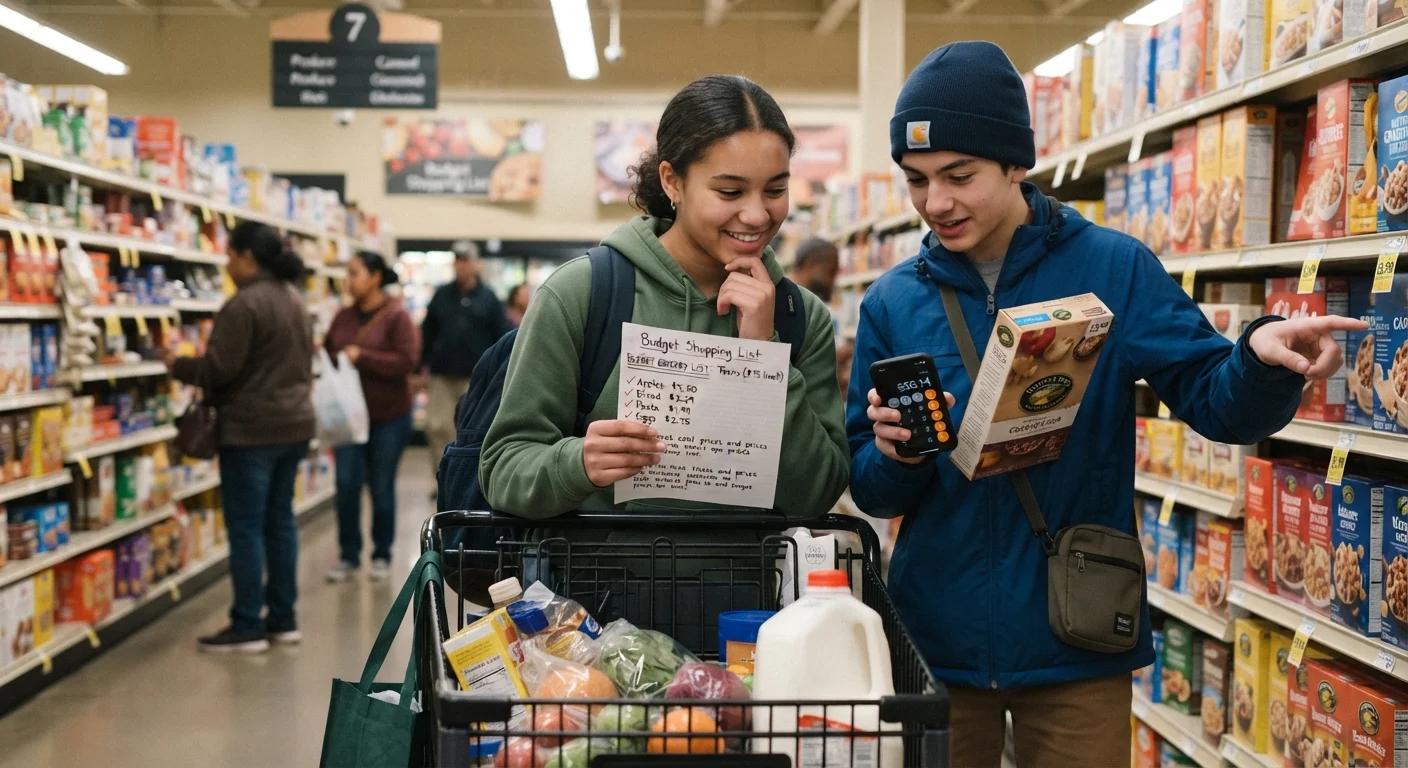
A Consumer Financial Protection Bureau literature review has found that financial education combined with genuine real-world practice produces significantly better outcomes than classroom learning alone, which makes grocery shopping, a task nearly every teenager will need to handle independently as an adult, one of the most practical, low-stakes environments to actually build this skill before it matters for real.
This guide is independently written and is not affiliated with USDA, OPM, or the official federal Feds Feed Families campaign.
Start With One Category, Not the Whole List
Handing a teenager the entire family grocery budget on their first attempt is genuinely overwhelming. Giving them responsibility for just one category, "you're in charge of fruit this week" or "pick the cereal within this price range," is a far more manageable starting point that still involves real decision-making and real consequences.
Give Them a Real Dollar Amount and Let It Run Out
- Start With One Category, Not the Whole List
- Give Them a Real Dollar Amount and Let It Run Out
- Talk Through Your Own Decisions Out Loud
- Turn It Into a Comparison Game
- Introduce Unit Pricing Directly
- Keep a Simple Price Journal
- Connect It to Their Own Money When Possible
- Why This Skill Genuinely Matters Before They Move Out
- FAQ
- Does research actually support teaching money skills through hands-on practice rather than lectures?
- What's a good first step for teaching a teen to grocery shop on a budget?
- Should parents step in if a teenager overspends during a budgeting exercise?
- What's a transferable skill worth teaching during a grocery trip specifically?
A commonly recommended, genuinely effective exercise is handing a teenager a specific dollar amount, sometimes cited around $150 for a full week of family groceries, and letting them plan meals, compare prices, and make real trade-offs within that number. The key part of this exercise is resisting the urge to supplement if they overspend, since the discomfort of putting an item back on the shelf teaches the lesson far more effectively than a lecture about budgeting ever could.
Talk Through Your Own Decisions Out Loud
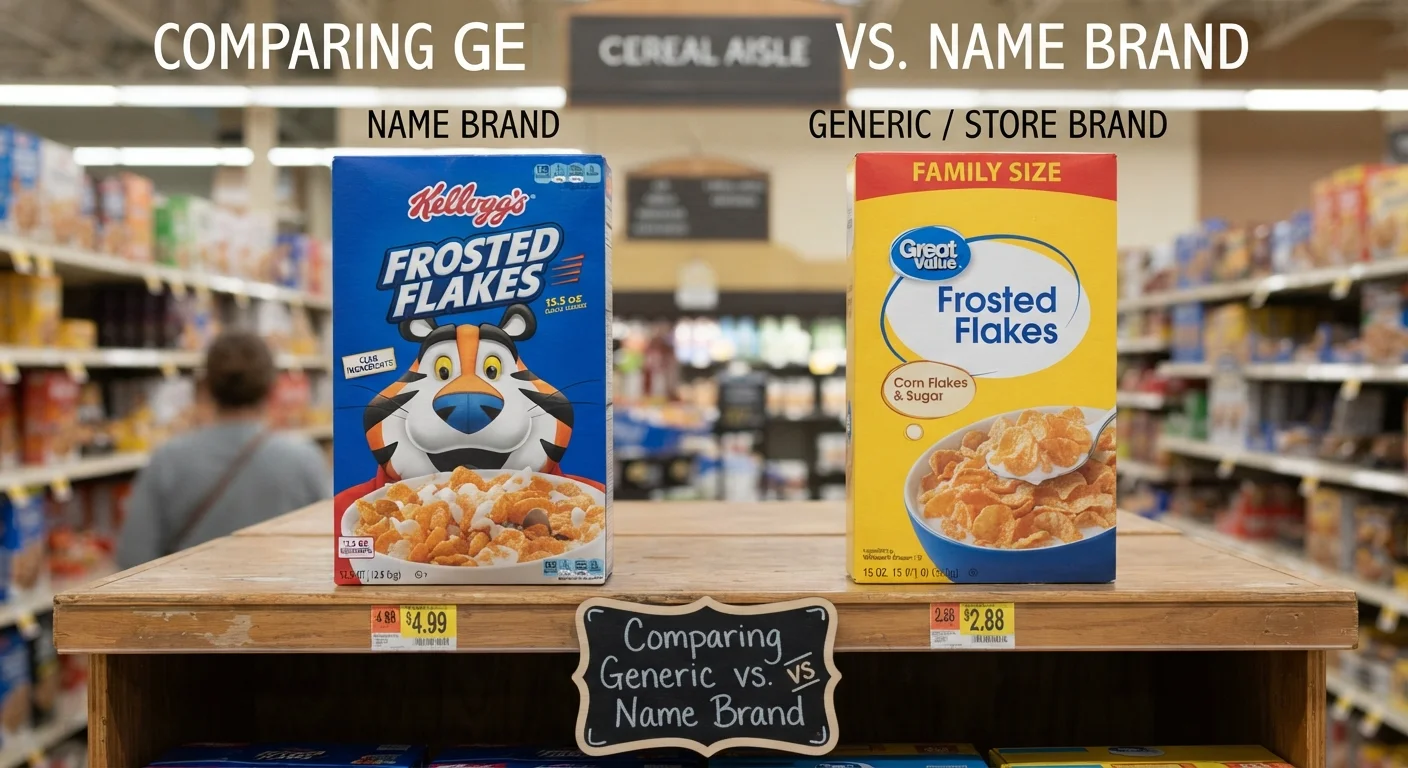
Narrating your own real reasoning while shopping, explaining why you're choosing the store brand because it's a dollar cheaper and tastes the same, or why you're skipping a specific item this week, models genuine financial thinking in a way that a teenager absorbs far more naturally than an abstract explanation delivered separately from the actual shopping trip.
Turn It Into a Comparison Game
Framing part of a shopping trip as a challenge, "can you beat last week's total for the same list?" or "find the best per-unit deal in this aisle," transforms budgeting from a chore into something closer to a game, which tends to keep a teenager genuinely engaged rather than treating the exercise as a lecture in disguise.
Recommended Articles
 BUDGETING MEAL PLANNING
 BUDGETING MEAL PLANNING
 BUDGETING MEAL PLANNING
 BUDGETING MEAL PLANNING
Introduce Unit Pricing Directly
Teaching a teen to check the small unit price printed on a shelf tag, cost per ounce or pound, rather than relying on the total sticker price, gives them a concrete, transferable skill that applies to essentially every purchasing decision they'll make as an independent adult, not just groceries specifically.
Keep a Simple Price Journal
Having a teenager jot down prices for a few regularly purchased items over several weeks in a small notebook helps them start noticing genuine patterns, like which items fluctuate seasonally or which store consistently runs cheaper, building a kind of price literacy that develops naturally through repeated observation rather than a single lesson.
Connect It to Their Own Money When Possible
For an older teenager with a part-time job or a regular allowance, extending the grocery exercise to include their own discretionary spending money, letting them see how a snack habit or a specific purchase decision affects what's left over for something else they want, makes the connection between grocery budgeting and broader personal financial decision-making considerably more concrete.
Why This Skill Genuinely Matters Before They Move Out
Grocery shopping is one of the few significant financial skills a teenager can practice fully, with real dollars and real consequences, while still living at home with a safety net nearby, making it a genuinely valuable rehearsal for the independent budgeting they'll need to manage entirely on their own once they move out for college, a first apartment, or independent adult life.
Read More Articals
FAQ
Does research actually support teaching money skills through hands-on practice rather than lectures?
Yes. A Consumer Financial Protection Bureau literature review found that combining financial education with genuine real-world practice produces significantly better outcomes than classroom instruction alone.
What's a good first step for teaching a teen to grocery shop on a budget?
Giving them responsibility for just one category, like fruit or cereal within a set price range, rather than the entire shopping list, is a more manageable and effective starting point.
Should parents step in if a teenager overspends during a budgeting exercise?
Generally no. Letting them put an item back and experience the real consequence of running out of budget teaches the lesson more effectively than supplementing the shortfall.
What's a transferable skill worth teaching during a grocery trip specifically?
Checking unit price, the cost per ounce or pound printed on a shelf tag, rather than relying on the total sticker price, is a concrete skill that applies to nearly every purchasing decision a teen will make as an adult.
Sources: Consumer Financial Protection Bureau literature review on financial education, cited via Penny Time; Sentic Money teen budgeting guide.