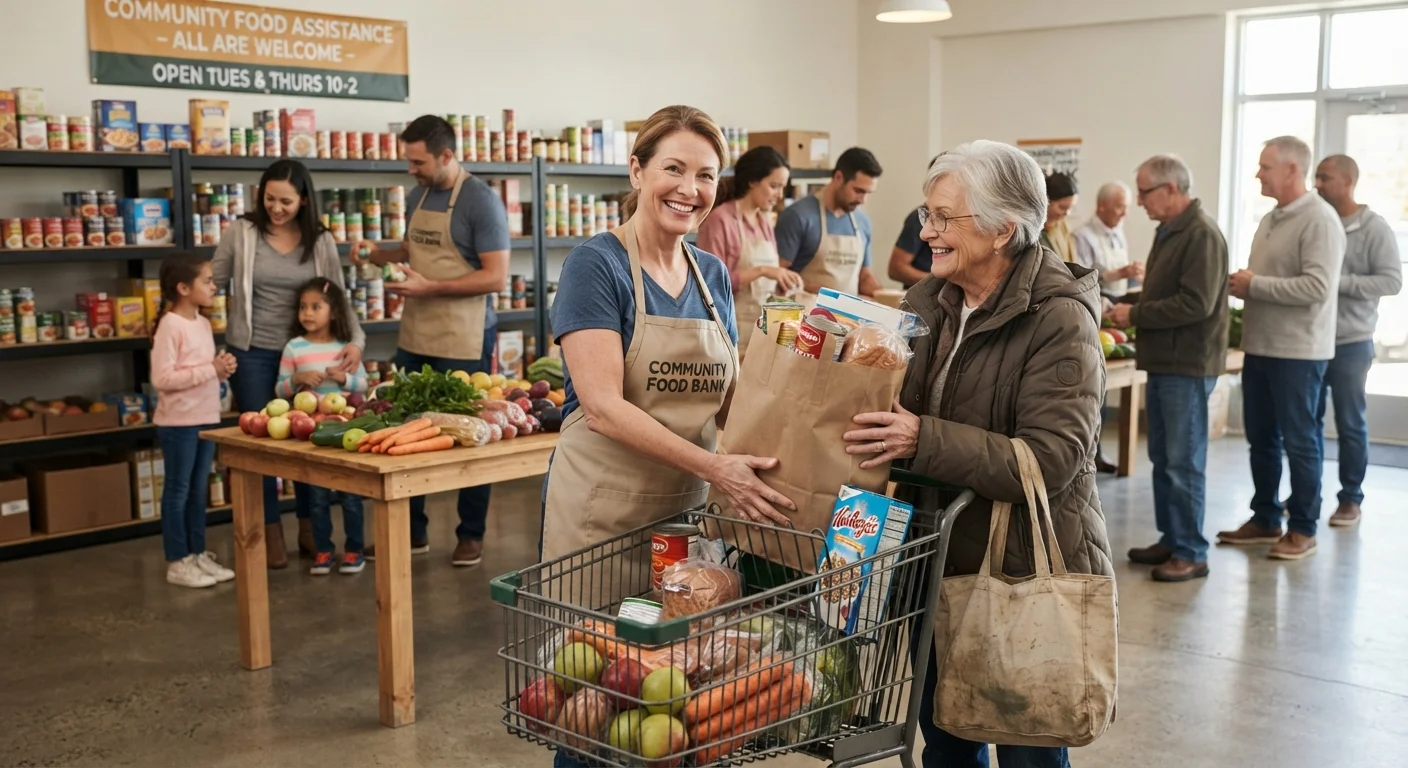
An estimated 7.8 million older adults rely on SNAP to help buy groceries, yet research suggests as many as three out of five eligible seniors are not enrolled, meaning close to 5 million older adults may be missing out on benefits they already qualify for. Beyond SNAP, several programs are designed specifically around the realities of a fixed retirement income, including the CSFP senior food box program and senior-specific farmers market vouchers.
This guide is independently written and is not affiliated with USDA, OPM, or the official federal Feds Feed Families campaign.
Why So Many Eligible Seniors Don't Apply
Common misconceptions keep many older adults from applying, including the belief that Social Security income alone disqualifies them, that owning a home or car makes them ineligible, or a general sense that programs like SNAP are meant for younger families rather than retirees. In reality, SNAP applies notably favorable rules to households with a member 60 or older, including a higher asset limit, an exemption from the gross income test, and access to an uncapped medical expense deduction, all of which make many seniors eligible even when their gross income looks higher than they'd expect to qualify.
SNAP for Seniors: The Favorable Rules
- Why So Many Eligible Seniors Don't Apply
- SNAP for Seniors: The Favorable Rules
- CSFP: The Senior Food Box Program
- Senior Farmers Market Nutrition Program
- Meals on Wheels and Congregate Meal Programs
- Automatic Exemption From SNAP Work Requirements
- Where to Start
- FAQ
- Do seniors automatically qualify for SNAP because of their age?
- Can a senior get both SNAP and the CSFP food box at the same time?
- Why do so few eligible seniors apply for SNAP?
- Where should a senior start looking for food assistance programs?
Households with an elderly member only need to meet the net income test, not the gross income test that applies to most other households, which matters significantly for seniors whose Social Security or pension income might otherwise look too high on paper. The asset limit rises to $4,500 for elderly or disabled households, compared to $3,000 for others, and unreimbursed medical expenses above $35 a month, including Medicare premiums, prescriptions, and transportation to medical appointments, can be deducted with no cap, often meaningfully increasing the monthly benefit.
CSFP: The Senior Food Box Program
The Commodity Supplemental Food Program provides a free monthly box of USDA foods, generally 30 to 40 pounds, to adults 60 and older whose income falls at or below 130 percent of the federal poverty level in most states. This program runs alongside SNAP rather than replacing it, and many seniors use both together, SNAP for regular flexible grocery shopping and CSFP for a fixed monthly supplement of shelf-stable staples.
Senior Farmers Market Nutrition Program
Low-income seniors 60 and older can receive a set of seasonal vouchers, commonly in the range of $20 to $50 depending on the state, redeemable specifically for fresh fruits, vegetables, herbs, and honey at authorized farmers markets and roadside stands. These vouchers are typically issued once a year during the local growing season and cannot be used at a regular supermarket.
Recommended Articles
 GOVERNMENT ASSISTANCE GUIDES
 GOVERNMENT ASSISTANCE GUIDES
 GOVERNMENT ASSISTANCE GUIDES
 GOVERNMENT ASSISTANCE GUIDES
Meals on Wheels and Congregate Meal Programs
Beyond grocery-focused programs, many communities offer home-delivered meals through Meals on Wheels for homebound seniors, and congregate meal sites, often at senior centers, where older adults can receive a meal along with social interaction. These programs are typically administered locally through an Area Agency on Aging and often use a suggested, rather than required, donation model, meaning a senior with very limited income generally isn't turned away for being unable to contribute.
Automatic Exemption From SNAP Work Requirements
Adults age 65 and older are fully exempt from all SNAP work requirements, including the stricter ABAWD rule, and adults 60 to 64 are exempt from the general work requirement, though they may still need to confirm an exemption from the ABAWD time limit depending on their specific situation. This removes a barrier that sometimes discourages younger applicants from applying, since seniors don't need to worry about meeting a monthly work-hour requirement to maintain their benefits.
Where to Start
Contacting your local Area Agency on Aging is often the single most efficient starting point, since these agencies typically coordinate SNAP outreach, CSFP enrollment, Meals on Wheels, and congregate meal sites all in one place, and can help determine which combination of programs makes the most sense for your specific situation.
Read More Articals
FAQ
Do seniors automatically qualify for SNAP because of their age?
No, age alone doesn't guarantee eligibility, but SNAP does apply more favorable rules to elderly households, including a higher asset limit and exemption from the gross income test, which means many seniors qualify even when they assume they wouldn't.
Can a senior get both SNAP and the CSFP food box at the same time?
Yes. The two programs are separate, and many low-income seniors participate in both without either affecting the other's eligibility.
Why do so few eligible seniors apply for SNAP?
Common misconceptions, including the belief that Social Security income or owning a home disqualifies them, keep many eligible seniors from applying, even though research suggests roughly three out of five eligible older adults are not enrolled.
Where should a senior start looking for food assistance programs?
Contacting a local Area Agency on Aging is often the most efficient starting point, since these agencies typically coordinate SNAP outreach, CSFP, Meals on Wheels, and congregate meal programs together.
Sources: National Council on Aging, USDA Food and Nutrition Administration, Center on Budget and Policy Priorities.