
Food banks typically draw funding from four main sources: individual and corporate cash donations, food product donations from retailers and manufacturers, grants from foundations and government agencies, and federal commodity programs like TEFAP, which supply USDA-purchased food directly to state agencies for distribution.
This guide is independently written and is not affiliated with USDA, OPM, or the official federal Feds Feed Families campaign.
Individual Donations
Individual cash and food donations remain one of the largest and most flexible funding sources for most local food banks, since cash donations in particular can be used wherever the need is greatest at any given moment, whether that means purchasing fresh produce, covering transportation costs, or filling a gap left by a temporary drop in retail donations. Because food banks typically buy in bulk at wholesale prices, a cash donation from an individual often stretches significantly further than the same amount spent on groceries at retail price.
Corporate and Retail Partnerships
- Individual Donations
- Corporate and Retail Partnerships
- Foundation and Private Grants
- Federal Commodity Programs
- Food Drives
- How Efficiently Food Banks Use Donations
- FAQ
- Where does food bank funding come from?
- Is it better to donate cash or food to a food bank?
- Does the government fund food banks directly?
- How can I find out how efficiently a specific food bank uses donations?
Grocery chains, food manufacturers, and distributors are a major source of food product donations, giving surplus, overstocked, or near-expiration inventory that remains safe to eat but is no longer sellable through normal retail channels. Many large food banks maintain formal partnerships with national retailers to regularly collect this surplus, and some corporations also provide direct cash grants or matching donation programs, particularly during major giving campaigns around the holidays.
Foundation and Private Grants
Local and national foundations frequently provide grants to food banks, often targeted at specific goals such as expanding cold storage capacity, launching a mobile pantry program, or funding nutrition education alongside food distribution. These grants are typically awarded on a competitive or application basis and can be a significant source of funding for capital projects that individual donations alone would struggle to cover.
Federal Commodity Programs
The Emergency Food Assistance Program, known as TEFAP, is one of the most significant federal contributions to the food bank system, supplying USDA-purchased commodities such as canned vegetables, meat, and pasta directly to state agencies, which then distribute the food through local food banks and pantries at no cost to either the food bank or the recipient. Unlike a cash grant, TEFAP delivers actual food product, which food banks then incorporate into their broader distribution alongside donated and purchased items.
Recommended Articles
 FOOD BANKS PANTRIES
 FOOD BANKS PANTRIES
 FOOD BANKS PANTRIES
 FOOD BANKS PANTRIES
Food Drives
Community, workplace, and school food drives contribute a smaller but still meaningful share of most food banks' inventory, particularly around the holidays when donation drives tend to be most active. While food drives generate less total value than large-scale retail donations or cash gifts, they also play an important role in community engagement and awareness, which can translate into ongoing volunteer support and future donations beyond the immediate items collected.
How Efficiently Food Banks Use Donations
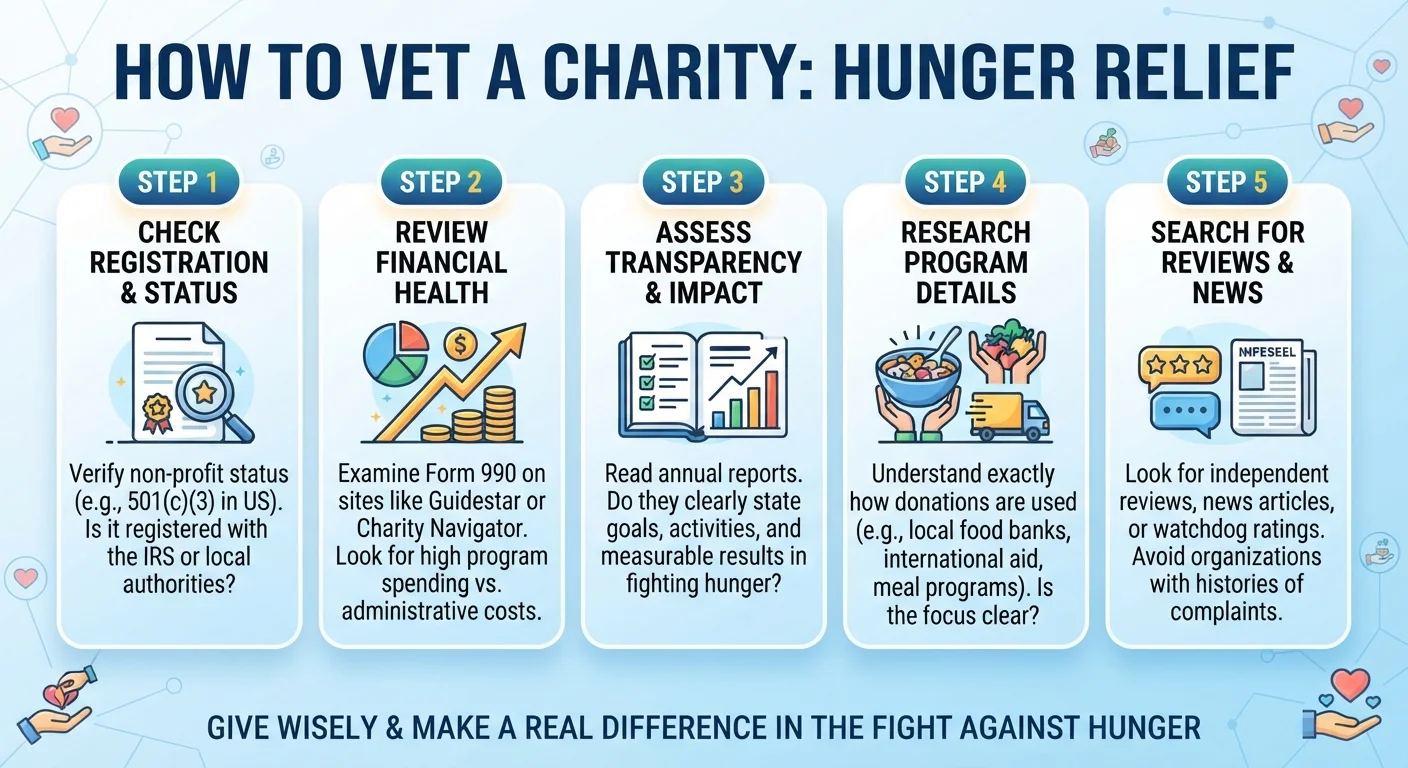
Most established food banks are highly efficient at converting both cash and food donations into meals, largely because their bulk purchasing power and established retail partnerships let them acquire food at a fraction of typical retail cost. Many food banks publish an annual report or impact statement breaking down exactly how donations were used, including the ratio of meals provided per dollar donated, which is worth reviewing if you are deciding where to direct a donation and want to understand a specific organization's efficiency.
Read More Articals
FAQ
Where does food bank funding come from?
Individual and corporate cash donations, food product donations from retailers and manufacturers, foundation grants, and federal commodity programs like TEFAP are the main funding sources for most food banks.
Is it better to donate cash or food to a food bank?
Cash donations often go further because food banks can purchase food in bulk at wholesale prices, though food donations remain valuable, particularly for specific needed items and for raising community awareness through food drives.
Does the government fund food banks directly?
The government primarily supports food banks through commodity programs like TEFAP, which supply USDA-purchased food rather than direct cash funding, though some food banks also receive government grants for specific programs.
How can I find out how efficiently a specific food bank uses donations?
Many food banks publish an annual report or impact statement showing how donations were used, including a meals-per-dollar figure, which is a useful way to compare efficiency between organizations.
Sources: Feeding America, USDA Food and Nutrition Administration TEFAP program guidance.