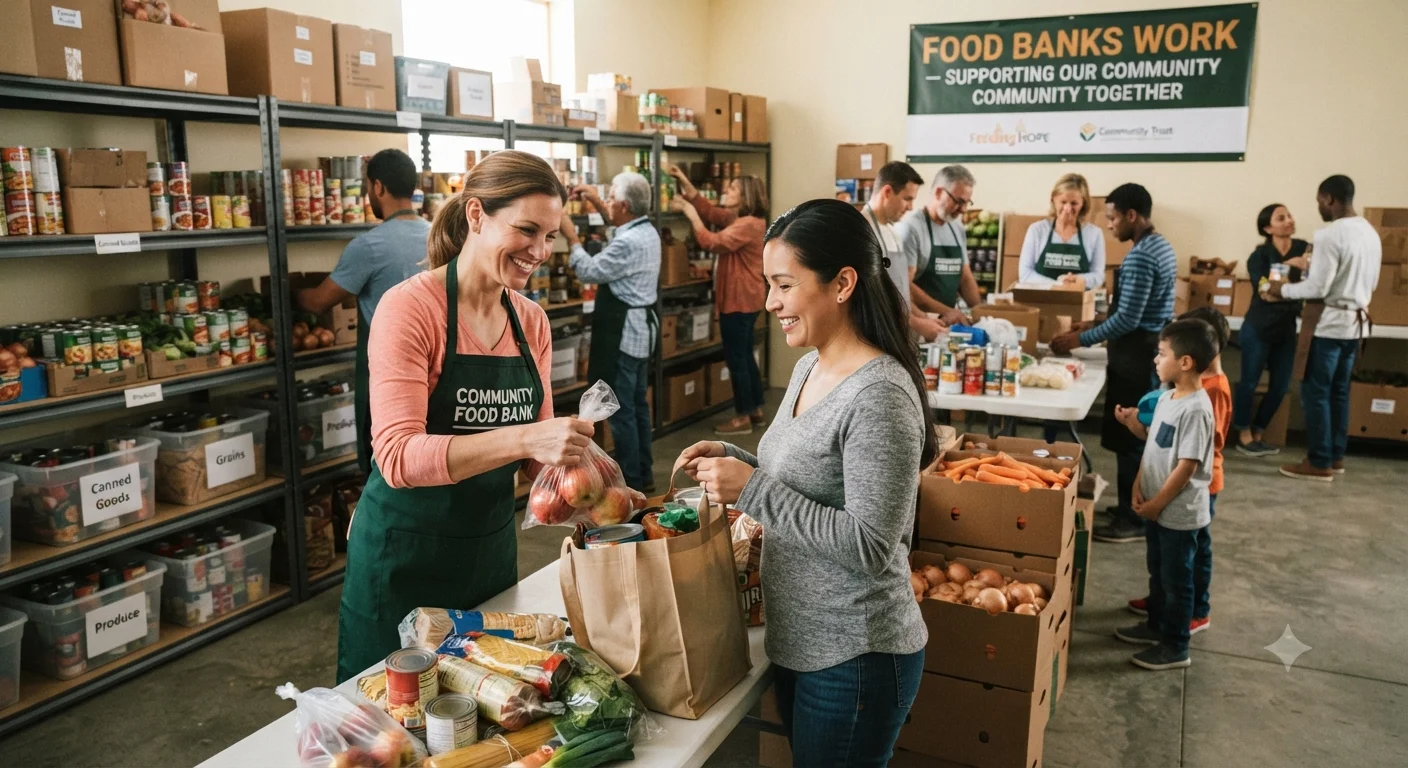
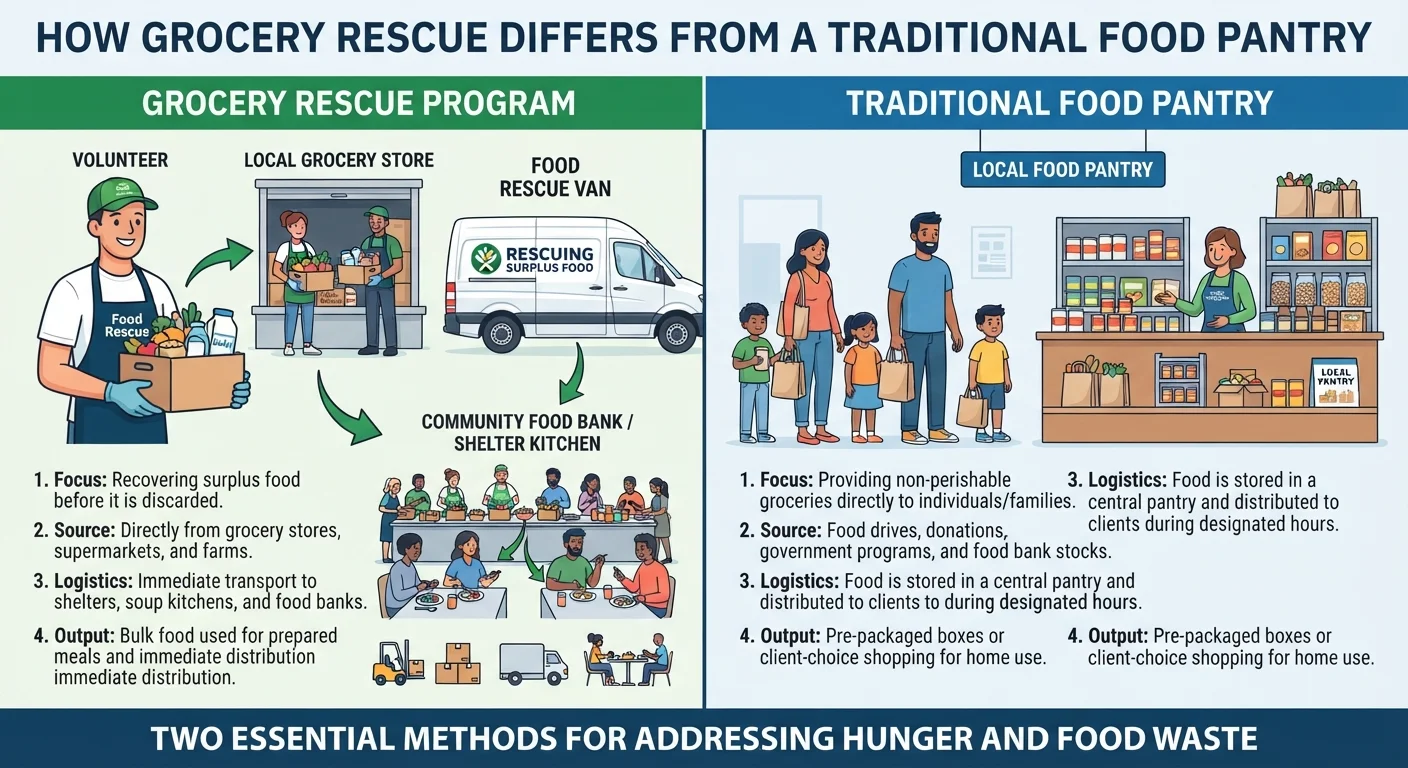
A food bank is a large scale warehouse operation that collects, stores, and distributes food to smaller organizations food pantries, soup kitchens, and shelters which then give that food directly to people in need. Most food banks don't hand out groceries to individuals themselves; instead, they supply a network of local partner agencies that do.
This guide is independently written and is not affiliated with USDA, OPM, or the official federal "Feds Feed Families" campaign.
Food Bank vs. Food Pantry vs. Soup Kitchen
These three terms get used interchangeably, but they describe different links in the same chain:
- Food bank: A warehouse-scale facility that receives, stores, and redistributes large quantities of food to partner organizations. Individuals typically cannot walk into a food bank and receive groceries directly.
- Food pantry: A smaller, community-based location often at a church, community center, or nonprofit where people can walk in (or sometimes make an appointment) and receive free groceries to take home.
- Soup kitchen: A location that serves prepared, ready-to-eat meals on-site, rather than distributing raw groceries for people to cook at home.
Where Food Banks Get Their Food
- Food Bank vs. Food Pantry vs. Soup Kitchen
- Where Food Banks Get Their Food
- The Distribution Network Model
- Feeding America's Role
- How Donations Are Used
- FAQ
- What is the difference between a food bank and a food pantry?
- Can I get food directly from a food bank?
- Where does food bank food actually come from?
- Is it better to donate food or money to a food bank?
Food banks source their inventory from several channels:
- Retail and manufacturer donations: Grocery stores, food manufacturers, and distributors donate surplus, overstocked, or near-expiration food that's still safe to eat.
- Food drives: Community, workplace, and school food drives contribute non-perishable donations directly from individuals.
- USDA commodity programs: Programs like TEFAP (The Emergency Food Assistance Program) supply food banks with USDA-purchased commodities such as canned vegetables, meat, and pasta, which are then distributed to partner pantries.
- Purchased food: Food banks also use cash donations to buy specific items in bulk, especially fresh produce, dairy, and protein that aren't reliably available through donations alone.
The Distribution Network Model
Rather than serving individuals one at a time, a food bank typically distributes large quantities of food to a network of hundreds of partner agencies within its service region. Those partner agencies pantries, shelters, after-school programs, senior centers then handle direct distribution to the people who need it. This model lets one food bank efficiently serve an entire region without needing a storefront in every neighborhood.
Recommended Articles
 FOOD BANKS PANTRIES
 FOOD BANKS PANTRIES
 FOOD BANKS PANTRIES
 FOOD BANKS PANTRIES
Feeding America's Role
Feeding America is the largest network coordinating this system nationally, connecting over 200 member food banks across the country. It doesn't distribute food to individuals directly, but it helps its member food banks source large-scale donations from national retailers and manufacturers, share best practices, and reach underserved areas through mobile pantries.
How Donations Are Used
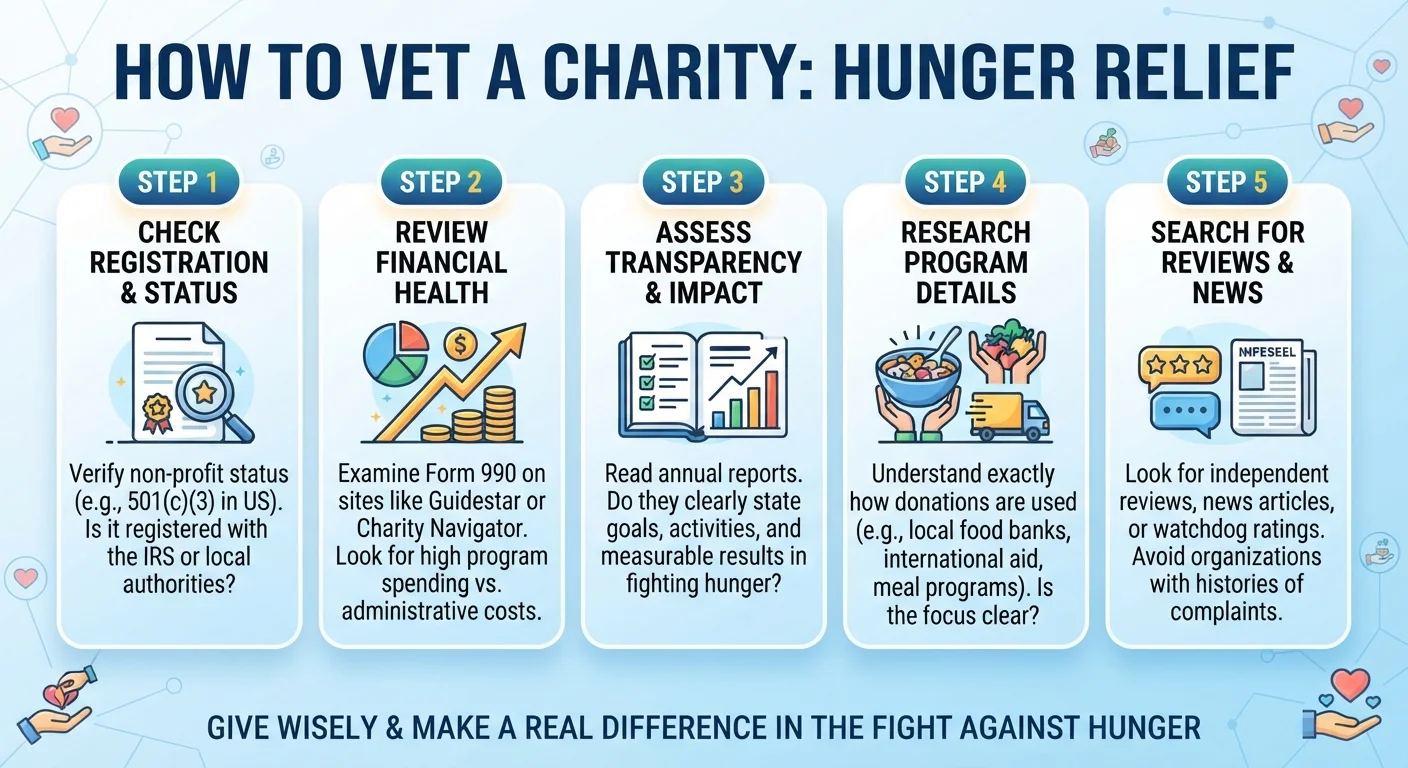
Both food and cash donations to a food bank typically go toward sourcing, storing, and transporting food to partner agencies most food banks are highly efficient at converting cash donations into meals, since their bulk purchasing power stretches dollars significantly further than an individual buying groceries at retail price. Many food banks publish an annual report breaking down exactly how donations were used, which is worth checking if you're deciding where to give.
Read more Articals
FAQ
What is the difference between a food bank and a food pantry?
A food bank is a large warehouse that supplies food to a network of smaller organizations; a food pantry is a community location where individuals can walk in and receive groceries directly.
Can I get food directly from a food bank?
Usually not food banks typically distribute to partner pantries and agencies rather than serving individuals directly. Use a food bank's locator tool to find the pantry nearest you instead.
Where does food bank food actually come from?
A mix of retail and manufacturer donations, community food drives, USDA commodity programs like TEFAP, and food purchased in bulk using cash donations.
Is it better to donate food or money to a food bank?
Cash donations often go further because food banks can buy in bulk at wholesale prices, but both are valuable food drives also raise community awareness and participation.
Sources: Feeding America (feedingamerica.org), USDA Food and Nutrition Administration TEFAP program guidance.