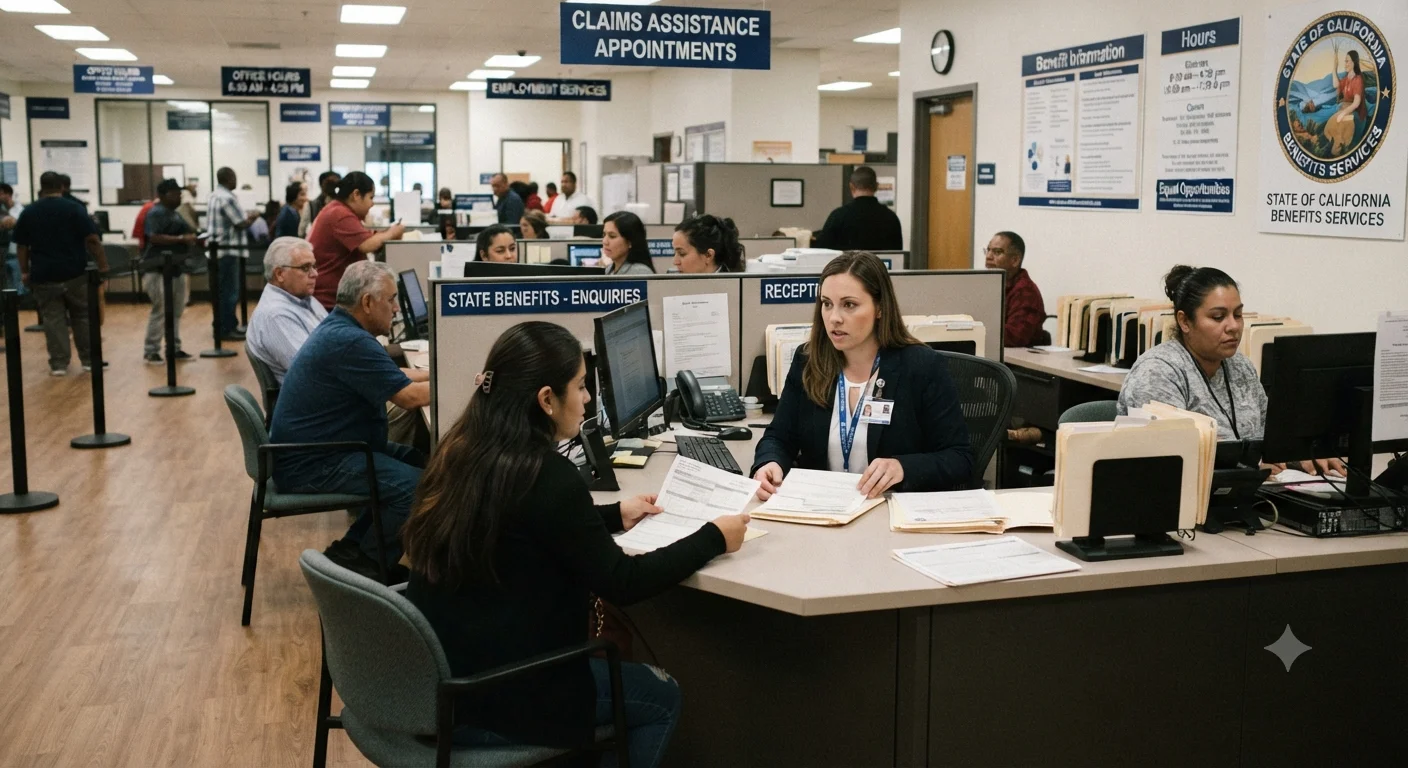
Every state operates its own human services agency responsible for administering SNAP, Medicaid, TANF, and other assistance programs, though the exact name varies widely, commonly Department of Human Services, Department of Social Services, or a state-specific title, and the underlying application and casework process functions similarly enough across states that understanding the general system makes navigating any specific state's office considerably easier.
This guide is independently written and is not affiliated with USDA, OPM, or the official federal Feds Feed Families campaign.
Why the Name Varies by State
Federal programs like SNAP and TANF are funded and regulated at the federal level, but administered locally through each state's own designated agency. Pennsylvania and Delaware both use Department of Human Services, Washington State uses the Department of Social and Health Services, and many counties within larger states, particularly New York, operate their own local Department of Social Services office rather than a single statewide portal. This naming inconsistency is one of the more common sources of confusion for someone applying for benefits for the first time or after moving to a new state.
State-Level vs. County-Level Administration
- Why the Name Varies by State
- State-Level vs. County-Level Administration
- How to Find Your Local Office
- Multiple Ways to Apply
- Applying for Multiple Programs at Once
- What to Bring or Prepare
- Staying Informed About Policy Changes
- FAQ
- Why does my state's benefits office have a different name than another state's?
- Is benefits administration handled at the state or county level?
- Can I apply for SNAP, Medicaid, and TANF all at once?
- How do I find my local benefits office?
Some states administer benefits through a single centralized state agency, while others, notably New York with 58 individual county Departments of Social Services, delegate administration down to the county level. In a county-administered state, your specific local office, application requirements, and even processing timelines can vary somewhat from a neighboring county within the same state, which is worth knowing if you've recently moved within a state and assumed the process would be identical.
How to Find Your Local Office
Most state agencies now offer an online office locator that lets you search by zip code, city, or county to find your nearest physical office, along with its hours and services offered, similar to Washington State's DSHS office locator. If your state's website doesn't make this easy to find, calling 211 or searching "your state name human services office locator" is typically an effective backup approach.
Multiple Ways to Apply
Most state benefit offices offer several application channels, including a full online portal, a paper application submitted by mail or dropped in a secure box at a regional office, as Rhode Island's DHS specifically offers, and in-person application assistance, sometimes through community-based outreach vendors the state has partnered with specifically to help people navigate the process.
Recommended Articles
 GOVERNMENT ASSISTANCE GUIDES
 GOVERNMENT ASSISTANCE GUIDES
 GOVERNMENT ASSISTANCE GUIDES
 GOVERNMENT ASSISTANCE GUIDES
Applying for Multiple Programs at Once
A growing number of states allow you to apply for multiple programs, commonly SNAP, Medicaid, and TANF together, through a single combined application rather than filling out separate paperwork for each one. Rhode Island's DHS, for example, explicitly notes that applicants can apply for multiple programs simultaneously through the same application process, which is a genuinely useful time-saver worth asking about directly if your state's website isn't clear on whether this option exists.
What to Bring or Prepare
Regardless of which state you're in, most applications require some version of the same core documentation: proof of identity, proof of income, proof of household composition, and proof of any specific expenses you plan to claim as a deduction, such as housing or medical costs. Having these documents organized before starting an application, whether online or in person, consistently speeds up the process compared to starting an application and gathering documents as you go.
Staying Informed About Policy Changes
Because federal legislation has driven significant changes to SNAP and other programs throughout 2025 and 2026, many state agencies are actively hosting webinars, sending notices, and updating their websites to explain how changes like new SNAP work requirements are being implemented locally. Checking your specific state agency's website directly, rather than relying solely on general national information, is the most reliable way to understand exactly how a policy change affects your particular case.
Read More Articals
FAQ
Why does my state's benefits office have a different name than another state's?
Each state independently names and organizes its own agency responsible for administering federally funded programs like SNAP and TANF, resulting in different titles such as Department of Human Services or Department of Social Services depending on the state.
Is benefits administration handled at the state or county level?
This varies. Some states administer benefits through a single centralized state agency, while others, like New York, delegate administration to individual county offices, which can mean slightly different local processes even within the same state.
Can I apply for SNAP, Medicaid, and TANF all at once?
In many states, yes, through a combined or integrated application. It's worth checking your specific state's application portal or asking a caseworker directly whether this option is available.
How do I find my local benefits office?
Most state agencies offer an online office locator searchable by zip code, city, or county. Calling 211 is a reliable backup if your state's website doesn't make this easy to find.
Sources: Pennsylvania Department of Human Services, Washington State Department of Social and Health Services, Rhode Island Department of Human Services, New York Office of Children and Family Services.