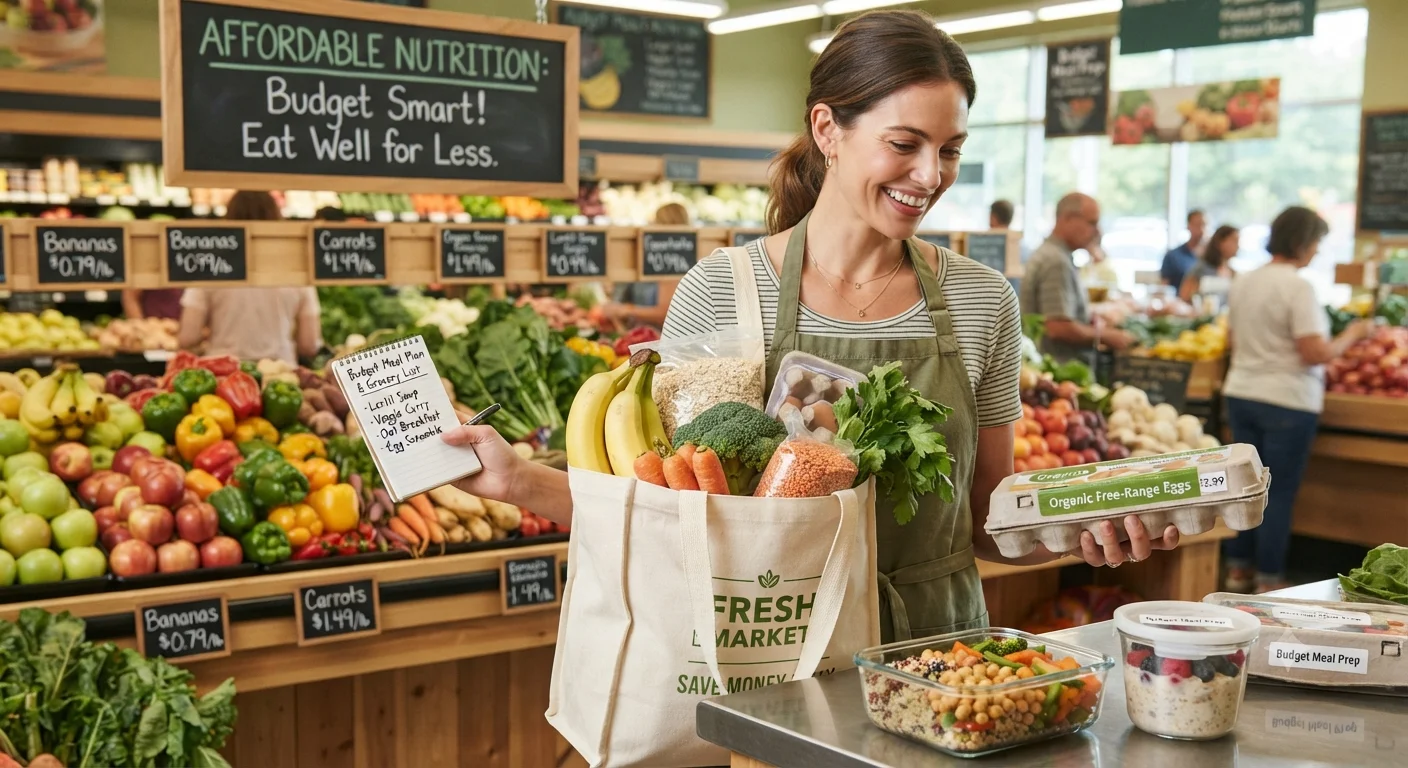
Reducing a grocery budget often gets equated with cutting nutritional quality, but many of the most effective cost-saving strategies, including choosing frozen produce over fresh, prioritizing dried beans over processed convenience foods, and buying store-brand staples, actually maintain or even improve nutritional value compared to the more expensive alternative.
This guide is independently written and is not affiliated with USDA, OPM, or the official federal Feds Feed Families campaign.
Frozen Produce Is Not a Downgrade
Frozen fruits and vegetables are typically flash-frozen at peak ripeness, which generally preserves their nutrient content just as well as fresh produce, and in some cases better than fresh produce that's traveled a long distance or sat on a shelf for several days before being eaten. Choosing frozen over fresh, particularly for vegetables that will be cooked anyway, is one of the more reliable ways to cut cost without meaningfully affecting nutrition.
Dried Beans and Lentils Beat Processed Protein Alternatives
- Frozen Produce Is Not a Downgrade
- Dried Beans and Lentils Beat Processed Protein Alternatives
- Store Brands Generally Match Name Brands Nutritionally
- Canned Produce Holds Up Well Nutritionally
- Whole Grains Cost Less and Offer More
- Reduce Reliance on Processed Convenience Foods
- Plan Meals Around What's Nutrient-Dense and Affordable
- When to Prioritize Spending
- FAQ
- Is frozen produce as nutritious as fresh?
- Are store-brand groceries lower quality than name brands?
- What's the most budget-friendly way to get protein without sacrificing nutrition?
- Should I cut spending equally across every grocery category?
Dried beans and lentils are not just inexpensive, they're also genuinely nutrient-dense, offering fiber, protein, iron, and other nutrients at a fraction of the cost of many processed protein products marketed as convenient. Building meals around these staples rather than more expensive pre-packaged protein options tends to improve, rather than reduce, the overall nutritional quality of a family's diet.
Store Brands Generally Match Name Brands Nutritionally
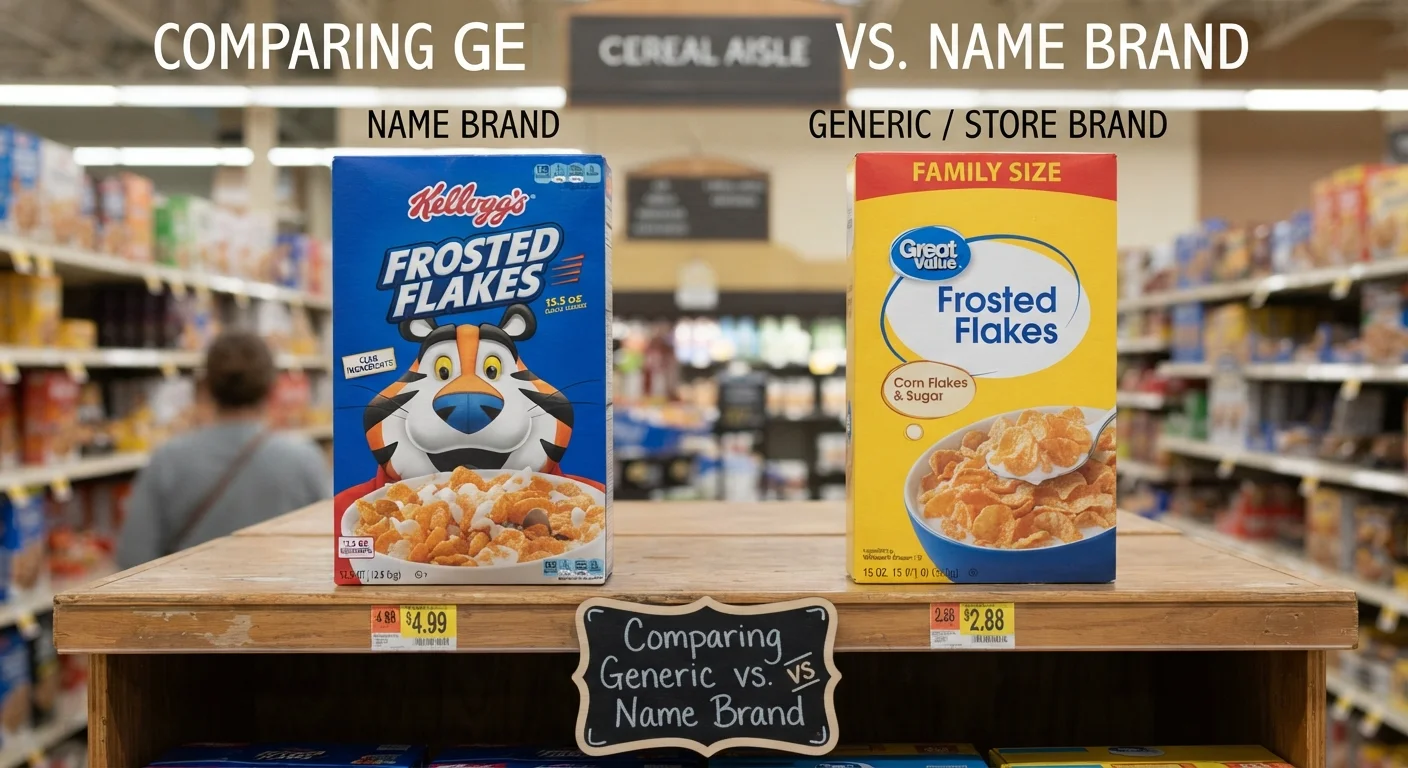
Store-brand versions of pantry staples, dairy, and frozen foods are typically manufactured to very similar nutritional specifications as their name-brand counterparts, often even in the same factories, while costing meaningfully less. Checking the nutrition label on a store brand against the name brand it's replacing is worth doing occasionally, but in most cases the two are close enough that the switch has no meaningful nutritional downside.
Canned Produce Holds Up Well Nutritionally
Canned vegetables and fruits, particularly when chosen with lower sodium or packed in juice rather than syrup, retain most of their nutritional value and offer a shelf-stable, budget-friendly way to include produce in meals year-round, regardless of what's currently in season or priced high at the store.
Whole Grains Cost Less and Offer More
Whole grains like brown rice, oats, and whole-wheat pasta are generally less expensive per serving than many pre-packaged, processed grain products, while also offering more fiber and a more favorable overall nutritional profile, making the budget-friendly choice and the more nutritious choice the same option in this category.
Recommended Articles
 BUDGETING MEAL PLANNING
 BUDGETING MEAL PLANNING
 BUDGETING MEAL PLANNING
 BUDGETING MEAL PLANNING
Reduce Reliance on Processed Convenience Foods
Pre-packaged convenience foods, including frozen dinners, packaged snack foods, and pre-cut produce, typically cost significantly more per serving than cooking the same meal from basic ingredients, while often containing more sodium, added sugar, and fewer whole-food ingredients. Shifting even a portion of a household's meals away from these convenience products toward basic staple cooking tends to lower cost and improve nutritional quality simultaneously.
Plan Meals Around What's Nutrient-Dense and Affordable
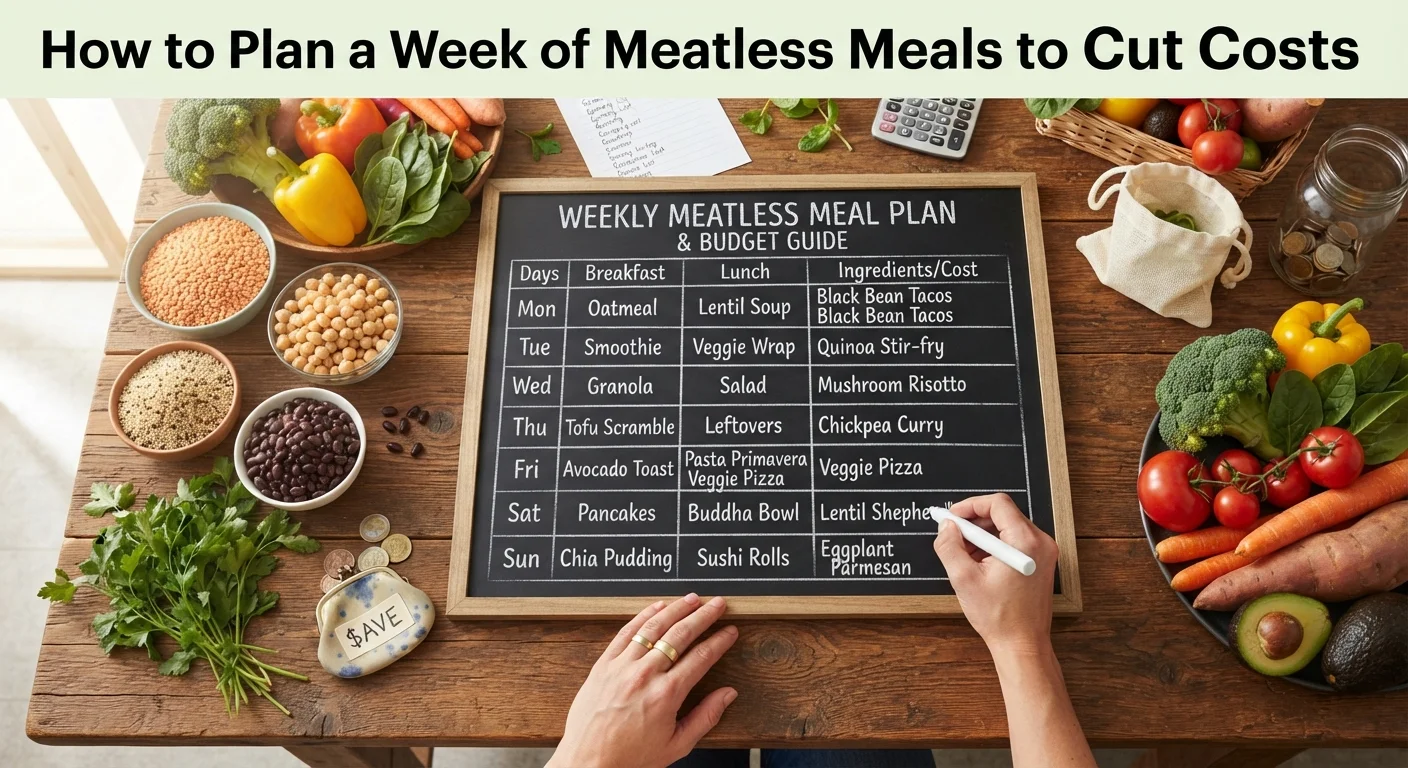
Rather than starting with a specific recipe and shopping for whatever it requires, building a week's meals around a rotating base of affordable, nutrient-dense staples, eggs, beans, frozen vegetables, whole grains, helps naturally keep both cost and nutritional quality in a good place, since the foundation of the meal plan is already both cheap and genuinely healthy.
When to Prioritize Spending
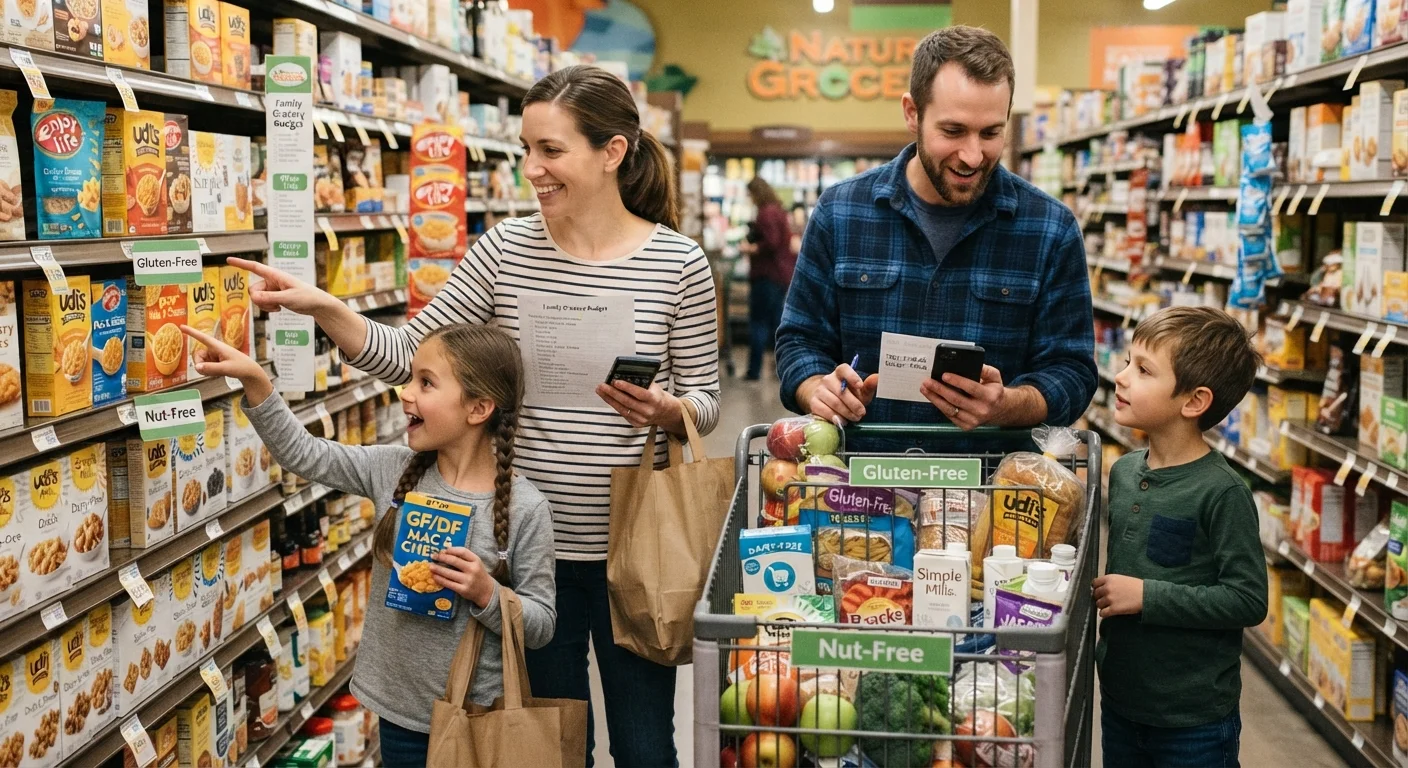
Not every grocery budget cut is equally worth making. For households managing a specific medical condition, food allergy, or other genuine dietary requirement, it's worth prioritizing spending on the specific items that condition requires, even if it means cutting elsewhere in the budget, rather than treating every category of the grocery list as equally flexible.
Read More Articals
FAQ
Is frozen produce as nutritious as fresh?
Generally yes. Frozen produce is typically flash-frozen at peak ripeness, which preserves nutrient content well, and can sometimes be more nutritious than fresh produce that's traveled a long distance or sat for several days before being eaten.
Are store-brand groceries lower quality than name brands?
Usually not nutritionally. Store brands are typically manufactured to very similar nutritional specifications as name brands, often in the same facilities, while costing meaningfully less.
What's the most budget-friendly way to get protein without sacrificing nutrition?
Dried beans and lentils offer strong nutritional value, including fiber, protein, and iron, at a much lower cost than many processed protein products marketed as convenient.
Should I cut spending equally across every grocery category?
Not necessarily. Households managing a specific medical condition or dietary requirement should generally prioritize spending on those specific needs, even if it means cutting more aggressively in other, more flexible categories.
Sources: General nutrition guidance on frozen, canned, and store-brand food quality, USDA dietary guidelines.