
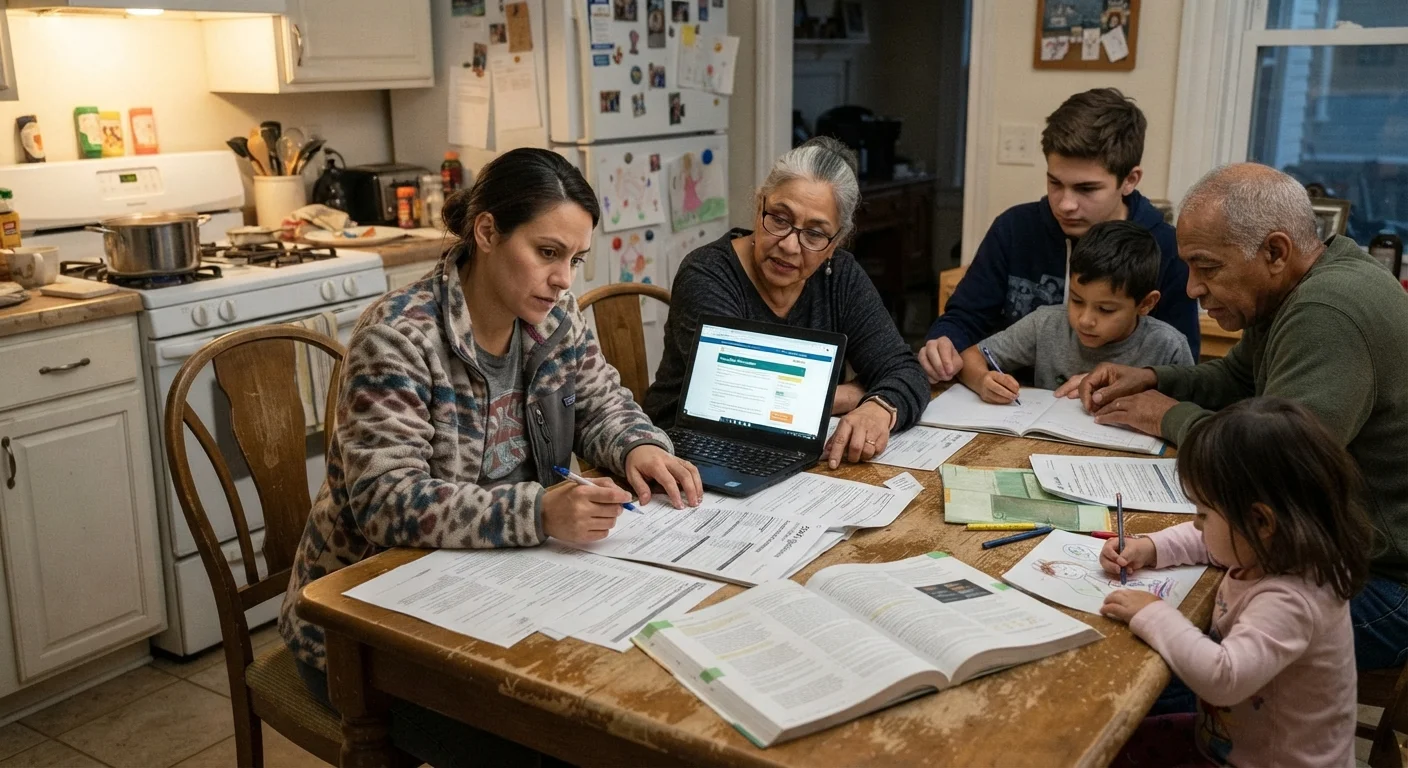
A SNAP interview generally covers the same core categories regardless of which state you're applying in: who lives in your household and how you buy and prepare food together, where your income comes from and how much it is, what your housing and other expenses look like, and your citizenship or immigration status. Most interviews take between 10 and 30 minutes and are conducted by phone in the large majority of states.
This guide is independently written and is not affiliated with USDA, OPM, or the official federal Feds Feed Families campaign.
Questions About Your Household
The caseworker needs to establish exactly who counts as part of your SNAP household, which isn't always the same as everyone who lives under your roof. A common opening question is who lives with you and how you're related, followed by whether you buy and prepare food separately from anyone else in the home, since a roommate who buys and cooks their own food separately generally isn't part of your SNAP household even if they live in the same residence.
Questions About Income
- Questions About Your Household
- Questions About Income
- Questions About Expenses and Deductions
- Questions About Citizenship and Immigration Status
- Questions About Assets
- How to Answer Effectively
- What Happens After the Interview
- FAQ
- What do they ask you in a SNAP interview?
- How long does a SNAP interview take?
- Is the SNAP interview usually done by phone?
- What if I don't know an exact income or expense figure during the interview?
Expect detailed questions about every source of income for every household member, including wages from a job, self-employment earnings, unemployment compensation, Social Security, SSI, TANF, child support received, and any other regular income. If you're currently unemployed, the caseworker may also ask about your job search activities or the circumstances of your job loss, particularly if you're subject to SNAP's work requirements.
Questions About Expenses and Deductions
Because SNAP allows several deductions that reduce your countable income and can increase your benefit, the caseworker will ask about your specific housing costs, including rent or mortgage and property taxes, dependent care costs needed for work or school, and out-of-pocket medical expenses if a household member is elderly or disabled. Answering these questions with specific dollar amounts, rather than vague estimates, when you have the documentation available helps ensure you receive every deduction you're entitled to.
Questions About Citizenship and Immigration Status
You'll be asked whether you're a U.S. citizen or a qualified non-citizen, since SNAP eligibility rules differ based on immigration status. It's worth knowing that a household can apply for and receive benefits for eligible members, such as U.S. citizen children, even when other household members, including an undocumented parent, are not themselves eligible for benefits.
Recommended Articles
 SNAP EBT
 SNAP EBT
 SNAP EBT
 SNAP EBT
Questions About Assets
Depending on whether your state uses Broad-Based Categorical Eligibility, which often waives the standard asset test, you may be asked about countable resources like money in bank accounts. A home and generally at least one vehicle per household are excluded from this calculation in most states.
How to Answer Effectively
- Answer honestly and completely, including anything you're unsure whether counts, since reporting it and letting the caseworker determine relevance is safer than guessing wrong and having it surface later through a data match
- Give your best estimate if you don't know an exact figure, and say clearly that it's an estimate rather than presenting it as certain
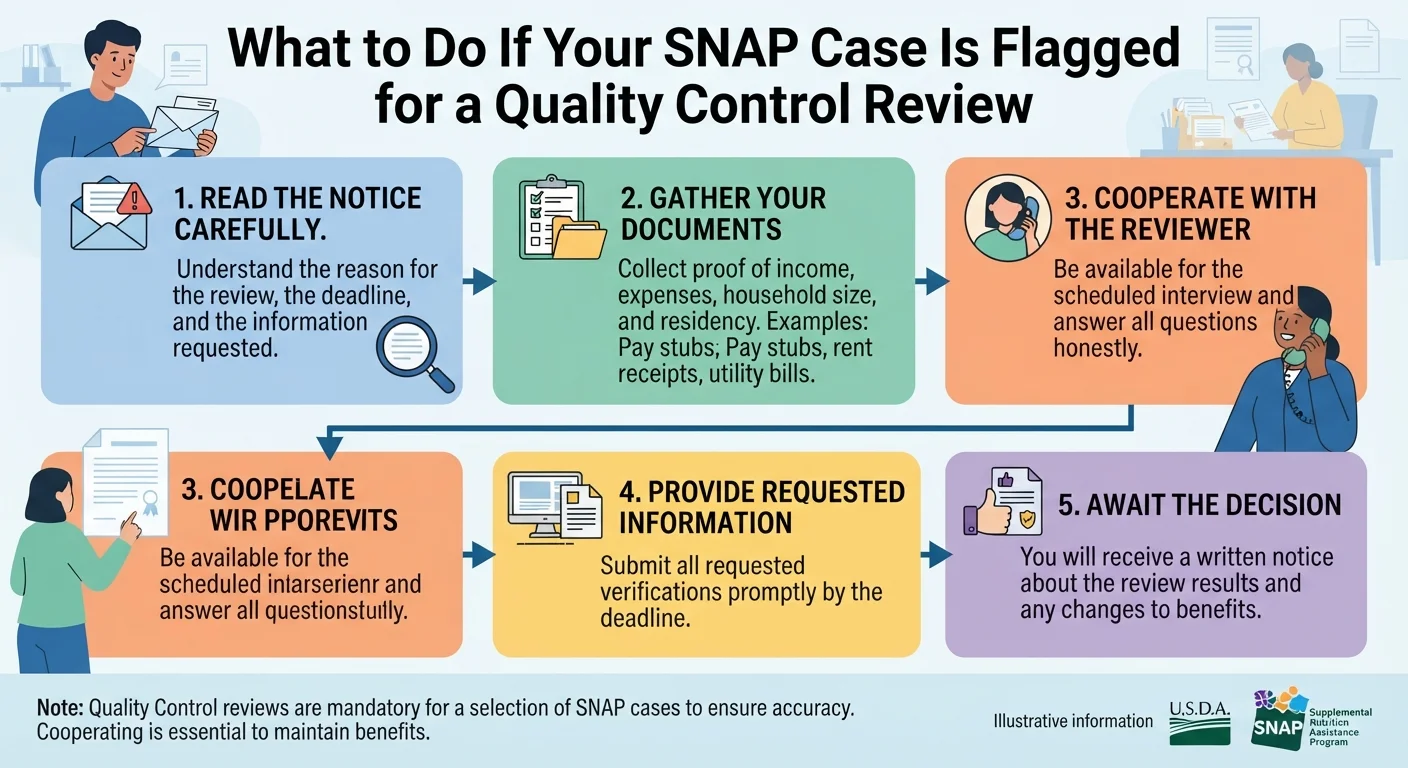
- Have your documents in front of you, since you may be asked to read specific numbers or dates directly from pay stubs, bills, or ID documents
- Don't skip the interview if you're missing a document, since most states allow 10 additional days to submit missing paperwork after the interview itself
What Happens After the Interview
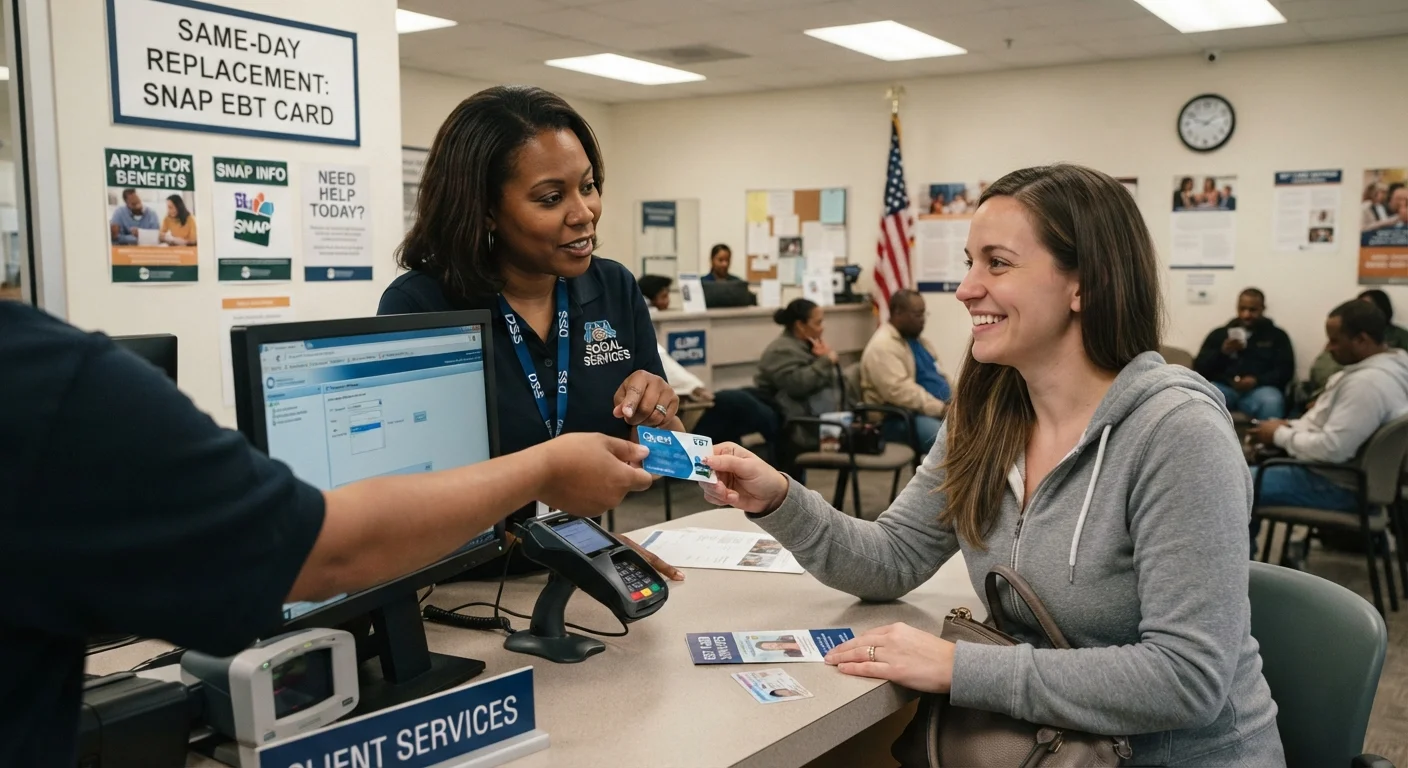
Once your interview is complete and any requested documentation is submitted, your caseworker uses the information gathered to calculate your household's gross and net income against your state's limits and determine your final benefit amount. States are required to notify you of the decision, and if approved, benefits are typically loaded onto your EBT card shortly afterward.
Read More Articals
FAQ
What do they ask you in a SNAP interview?
Caseworkers generally ask about your household composition, all sources of income, housing and other deductible expenses, and citizenship or immigration status, in order to calculate your eligibility and benefit amount.
How long does a SNAP interview take?
Most interviews last between 10 and 30 minutes, though complex households with multiple income sources may take longer.
Is the SNAP interview usually done by phone?
Yes, in most states, phone interviews are standard, though some offices allow an in-person interview on request.
What if I don't know an exact income or expense figure during the interview?
Give your best estimate and clearly say it's an estimate. Caseworkers generally prefer an honest estimate over a guess presented as a certain figure.
Sources: USDA Food and Nutrition Administration SNAP interview requirements, state SNAP agency interview process guidance.