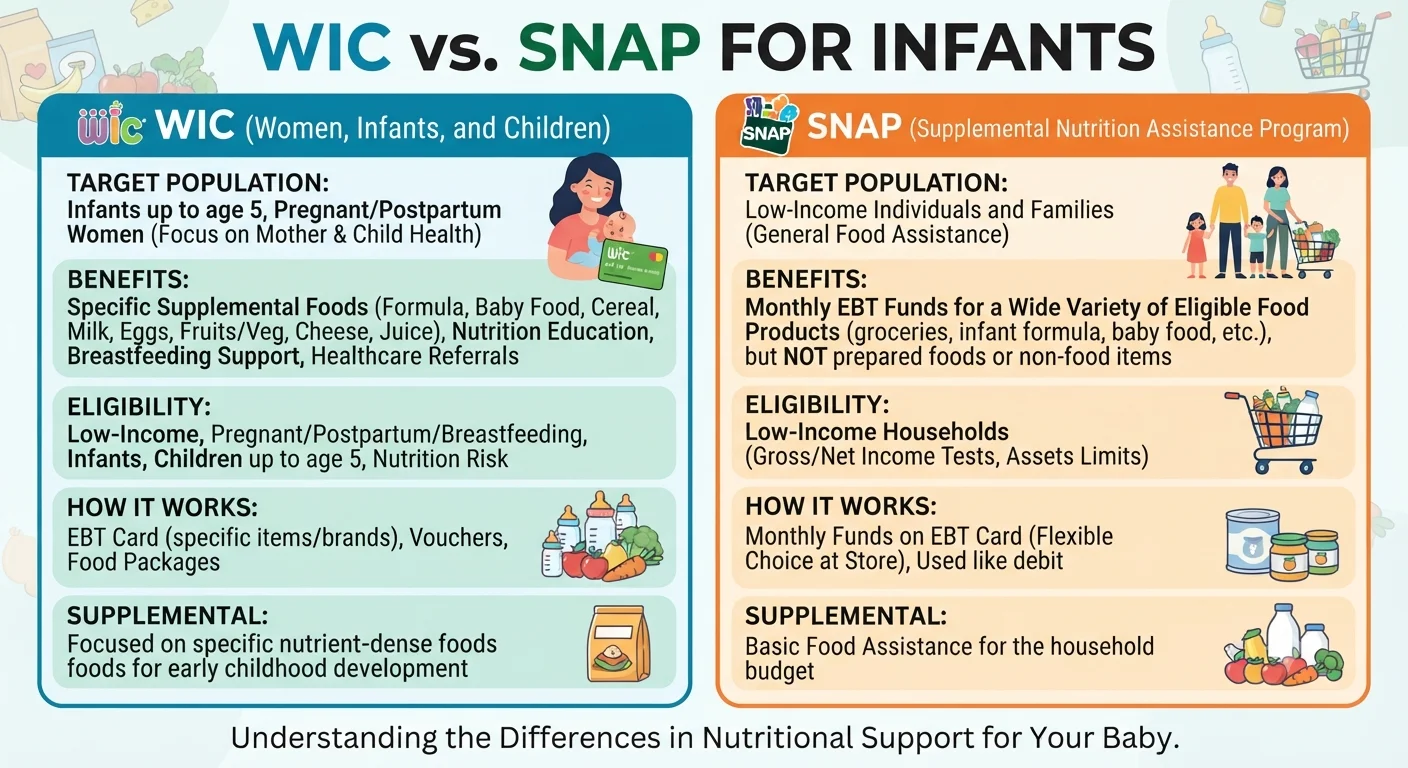
WIC provides free infant formula and baby food as part of a structured food package, but standard formula coverage ends at 12 months, when a child transitions to whole cow's milk and table food. SNAP, by contrast, treats infant formula and baby food as ordinary eligible groceries with no age cutoff, though SNAP benefits must be used to purchase formula rather than receiving it as a defined package the way WIC provides it.
This guide is independently written and is not affiliated with USDA, OPM, or the official federal Feds Feed Families campaign.
How WIC Covers Infant Formula
Infants who are not breastfed, or who are only partially breastfed, receive iron fortified infant formula through WIC as part of their monthly food package. The specific brand and type of formula covered depends on which formula your state's WIC agency has under contract, since each state negotiates a rebate agreement with a single formula manufacturer, meaning the exact brand available can differ from state to state. If your baby needs a different formula for a documented medical reason, such as an allergy or reflux, your health care provider can complete a WIC medical documentation form or prescription, which allows the WIC agency to authorize a different formula, including specialized hypoallergenic or metabolic formulas when medically necessary.
Why Formula Coverage Ends at 12 Months
- How WIC Covers Infant Formula
- Why Formula Coverage Ends at 12 Months
- Exceptions for Medical Conditions
- How WIC Covers Baby Food
- How SNAP Treats Formula and Baby Food
- Using Both Programs Together
- FAQ
- Does WIC cover formula after a baby turns 1?
- Can I use SNAP to buy baby formula?
- What if my baby needs a special formula for medical reasons?
- Can I use WIC and SNAP together for a baby's formula and food needs?
WIC does not cover standard infant formula for children past their first birthday. At 12 months, the WIC food package transitions a child from infant formula to whole cow's milk, along with cheese, eggs, whole grains, fruits, and vegetables appropriate for a growing toddler. This aligns with standard pediatric nutrition guidance, which generally recommends discontinuing formula around 12 months in favor of whole milk, limited to no more than 24 ounces a day, combined with a varied diet of solid foods. Toddler "follow up" formulas marketed for children 12 to 23 months are not included in WIC food packages, since they are not recommended by major health organizations and provide no meaningful nutritional advantage over whole milk paired with solid food.
Exceptions for Medical Conditions
Children with a documented medical condition, such as a metabolic disorder like phenylketonuria, or another condition requiring a specialized formula, can continue receiving that formula through WIC well beyond 12 months through the program's medical food provisions. This requires ongoing documentation from a health care provider, generally renewed with each certification period.
Recommended Articles
 WIC FAMILY NUTRITION
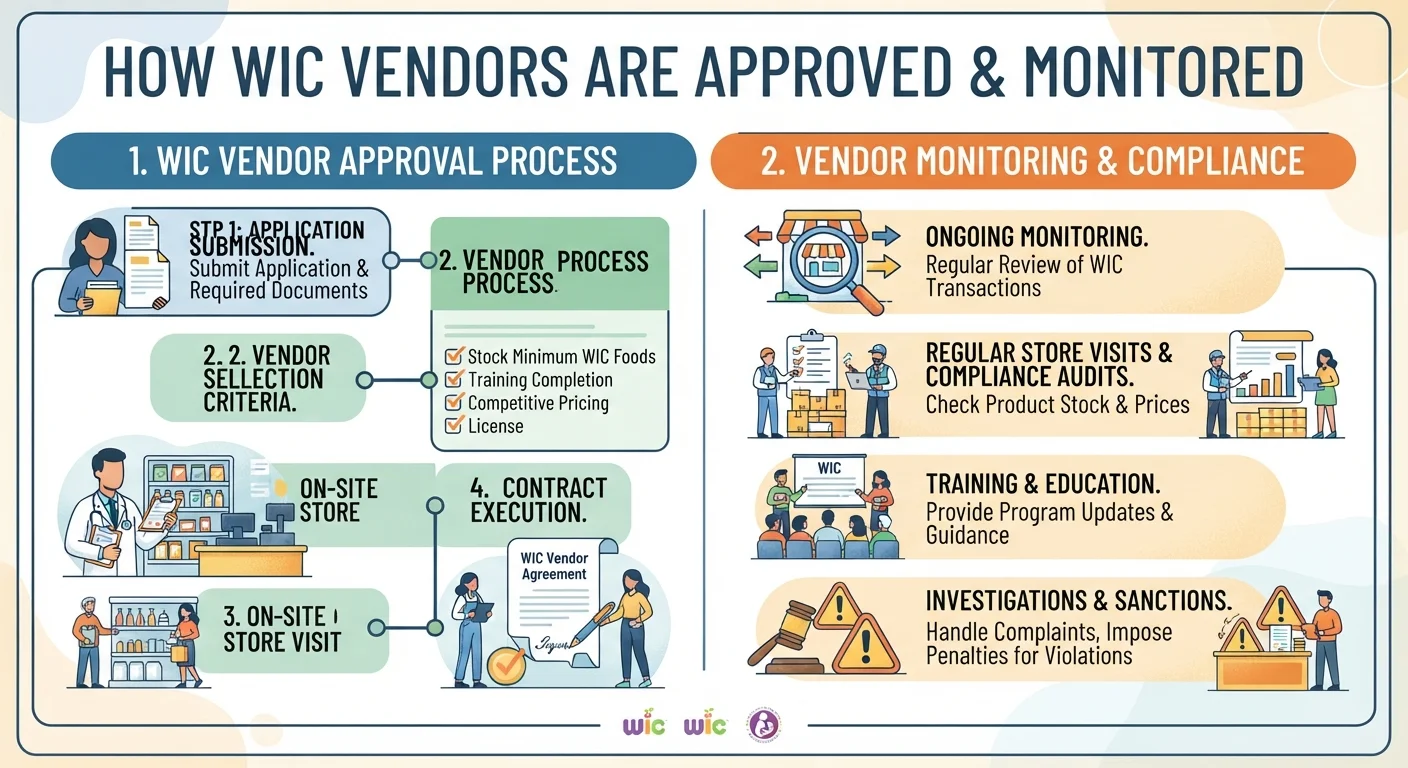 WIC FAMILY NUTRITION
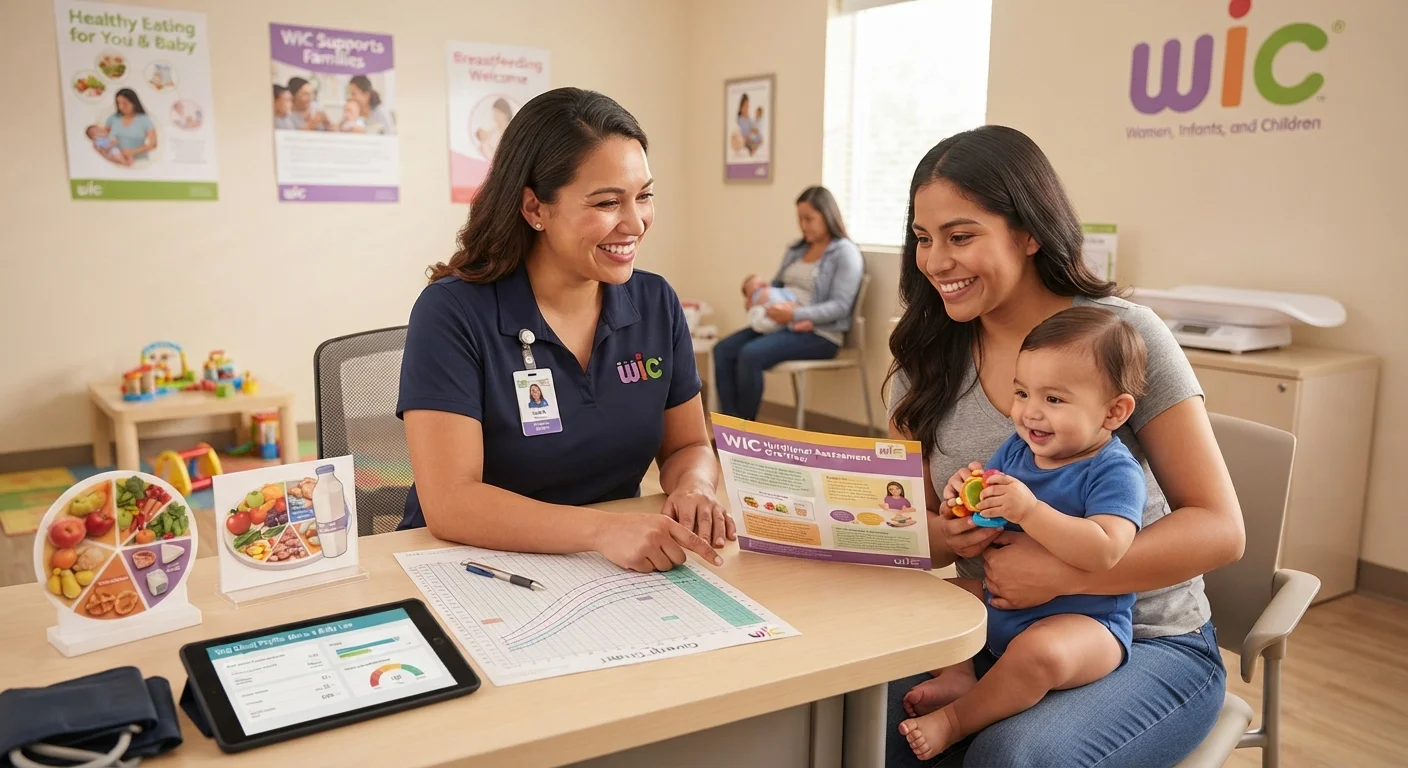 WIC FAMILY NUTRITION
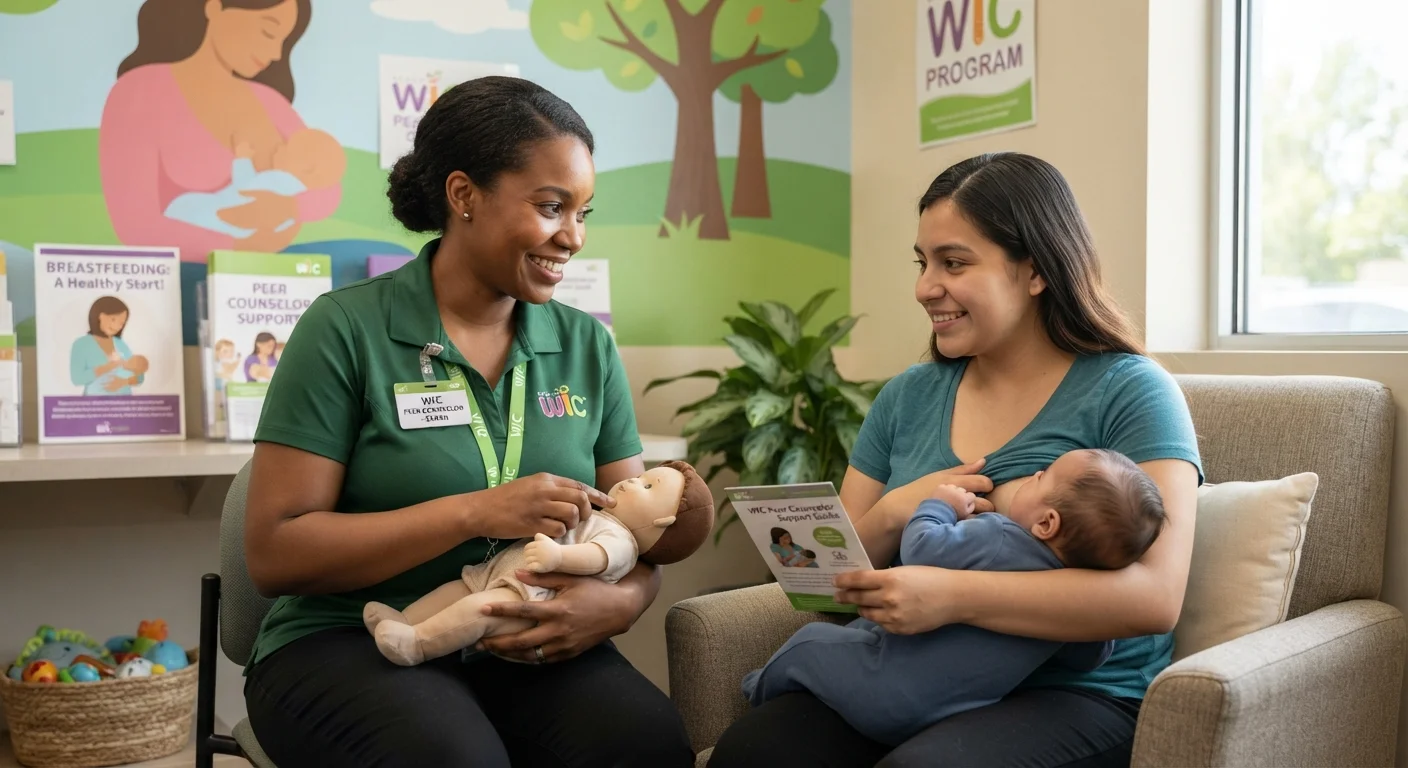 WIC FAMILY NUTRITION
How WIC Covers Baby Food
Starting around 6 months, when infants typically begin solid foods, the WIC infant food package expands to include infant fruits, vegetables, and meats, in addition to infant cereal. These are provided in specific approved sizes and forms, and like formula, the exact brands available depend on your state's approved food list.
How SNAP Treats Formula and Baby Food
SNAP has no age cutoff or category restriction for formula or baby food. Any SNAP household can use benefits to purchase infant formula, baby food, and toddler food at any point, the same way they would purchase any other eligible grocery item, since these products carry a Nutrition Facts label and fall under SNAP's general food eligibility rules. Unlike WIC, there is no defined package or brand restriction. SNAP simply covers the cost at checkout like any other grocery purchase, though this also means SNAP does not provide formula for free the way WIC's structured package does. It only offsets the cost within your household's overall monthly benefit.
Using Both Programs Together
Many families with an infant use WIC specifically for formula and baby food, since WIC's package essentially provides these items at no direct cost, while using SNAP for the rest of the household's groceries. Because WIC eligibility does not disqualify a household from SNAP, and vice versa, combining both programs is a common and effective strategy for households with a baby in the first year of life, when formula costs alone can be a significant part of a family's food budget.
Read More Articals
FAQ
Does WIC cover formula after a baby turns 1?
No, not under standard rules. WIC transitions children to whole cow's milk and solid foods at 12 months, except in cases of a documented medical condition requiring a specialized formula.
Can I use SNAP to buy baby formula?
Yes. SNAP has no age restriction on formula or baby food purchases, since these are treated as standard eligible grocery items.
What if my baby needs a special formula for medical reasons?
Your health care provider can complete a WIC medical documentation form or prescription, which allows your state WIC agency to authorize a specialized formula beyond the standard options, including past the typical 12 month cutoff if medically necessary.
Can I use WIC and SNAP together for a baby's formula and food needs?
Yes. Many families use WIC's structured package for formula and baby food while using SNAP for the rest of the household's groceries, since eligibility for one does not affect eligibility for the other.
Sources: USDA Food and Nutrition Administration WIC food package regulatory requirements, USDA Food and Nutrition Administration WIC frequently asked questions.