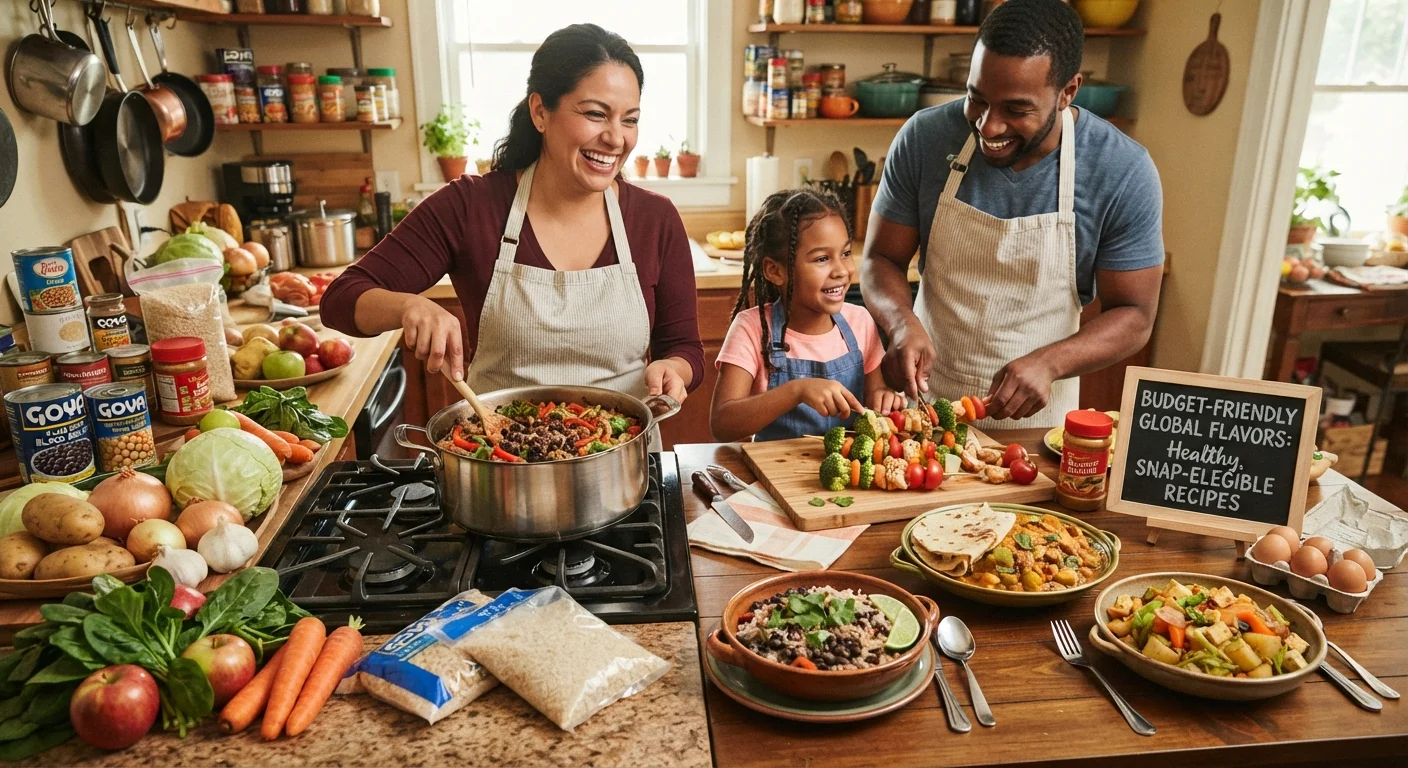
Rice, beans, and lentils form the nutritional and cultural backbone of dozens of cuisines around the world, from Mexican rice and beans to Indian dal to Louisiana red beans and rice, which means a tight grocery budget doesn't have to limit a family's meals to the same narrow rotation. All of these ingredients are standard SNAP-eligible groceries, making global flavor genuinely accessible on any food budget.
This guide is independently written and is not affiliated with USDA, OPM, or the official federal Feds Feed Families campaign.
Why These Staples Show Up Across So Many Cultures
Beans and lentils paired with a grain like rice form a complete protein, meaning together they provide all the essential amino acids the body needs, at a fraction of the cost of meat-centered meals. This nutritional efficiency is a major reason the pairing appears independently across cultures on every continent, not because one cuisine borrowed from another, but because the combination is simply one of the most cost-effective, nutritionally complete meals available anywhere.
Latin American: Rice and Beans
- Why These Staples Show Up Across So Many Cultures
- Latin American: Rice and Beans
- Indian and South Asian: Dal
- Southern U.S. and Caribbean: Red Beans and Rice
- Mediterranean: Chickpea and White Bean Dishes
- East Asian: Fried Rice and Rice Bowls
- Filipino and Southeast Asian: Adobo-Style Dishes
- What All of These Recipes Share
- Starting With What's Already SNAP-Eligible
- FAQ
- Why do beans and rice appear as a staple across so many different cultures?
- Are international pantry staples like lentils and dried beans SNAP-eligible?
- Do I need expensive specialty ingredients to cook these international dishes?
- What's a good way to start expanding a limited spice collection on a budget?
A staple across Mexican, Cuban, and broader Latin American cooking, rice and beans seasoned with cumin, garlic, and a bit of chili powder, topped with salsa if available, makes a filling, inexpensive meal that can be dressed up with whatever protein or vegetables are on hand that week. Adding a can of corn and a squeeze of lime transforms the same base into a distinctly different-tasting dish.
Indian and South Asian: Dal
Dal, a spiced lentil stew, is one of the most economical and nutrient-dense dishes in Indian home cooking, built from dried lentils, onion, garlic, and a handful of common spices like cumin, turmeric, and coriander. Lentils cook considerably faster than dried beans and require no soaking, making dal a genuinely quick weeknight option once a basic spice collection is on hand.
Southern U.S. and Caribbean: Red Beans and Rice
A Louisiana classic built from kidney beans, rice, and Cajun seasoning, red beans and rice can be made entirely vegetarian or stretched further with a small amount of smoked sausage or ham for flavor rather than as the meal's centerpiece. This dish freezes and reheats well, making it a strong candidate for a batch-cooking session.
Mediterranean: Chickpea and White Bean Dishes
Mediterranean cooking leans heavily on chickpeas and white beans, simmered with tomatoes, garlic, and olive oil, often finished with a handful of greens. A simple white bean and greens stew, or a chickpea stew with paprika and cumin, brings genuinely different flavor territory using largely the same core pantry ingredients as a Latin American or Southern American bean dish.
Recommended Articles
 BUDGETING MEAL PLANNING
 BUDGETING MEAL PLANNING
 BUDGETING MEAL PLANNING
 BUDGETING MEAL PLANNING
East Asian: Fried Rice and Rice Bowls
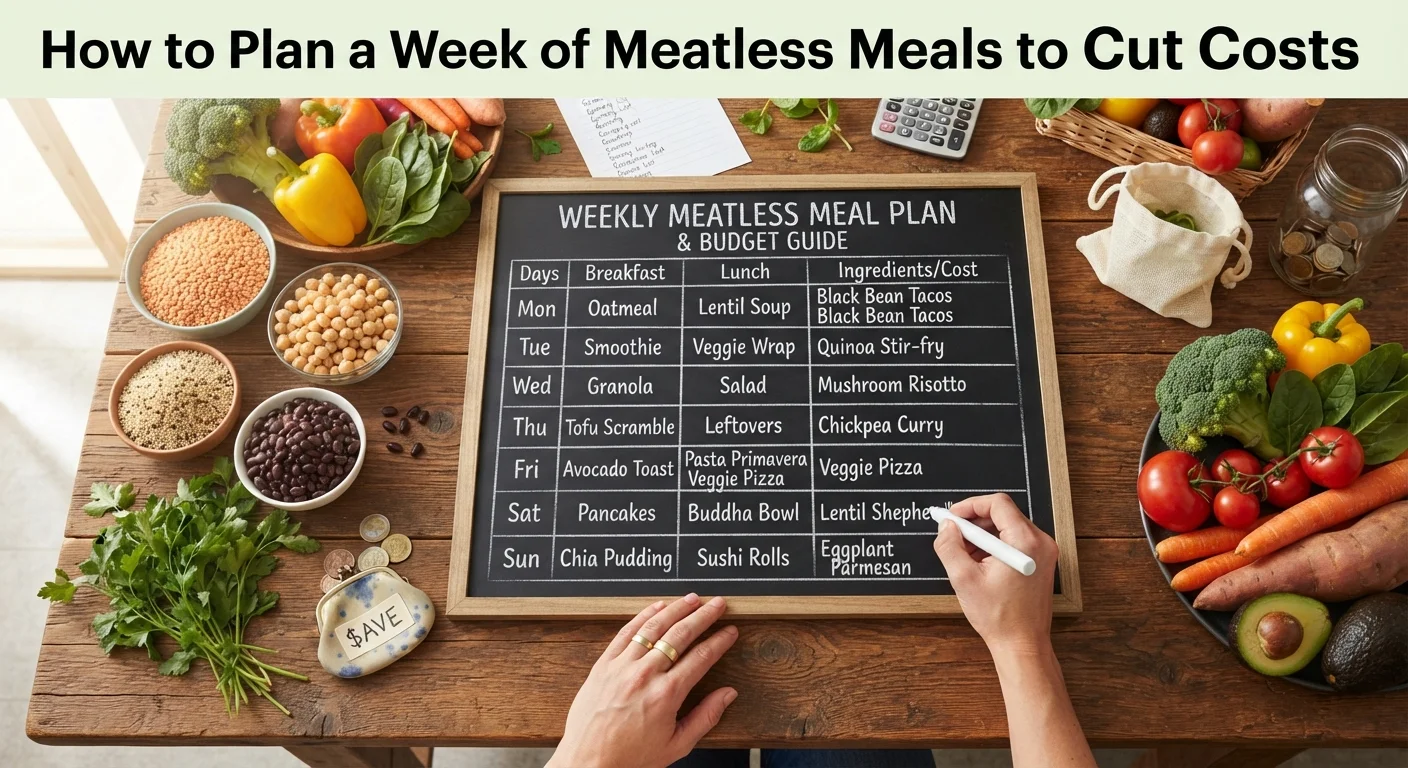
Fried rice is one of the most effective ways to use leftover rice and whatever vegetables or small amounts of protein are left in the refrigerator, seasoned with soy sauce, garlic, and ginger if available. A basic rice bowl built around a simple protein, a vegetable, and a sauce is a flexible template that can shift flavor direction entirely just by changing the sauce, similar to the rotating meal plan approach many budget-conscious households already use.
Filipino and Southeast Asian: Adobo-Style Dishes
Adobo, a Filipino cooking method using soy sauce, vinegar, and garlic, works well with inexpensive proteins like chicken thighs or tofu, and the resulting dish can be stretched across multiple meals when served over rice. This method is a good example of how a specific technique, rather than an expensive ingredient, is often what defines a cuisine's distinct flavor.
What All of These Recipes Share
Across every one of these traditions, the pattern is the same: an inexpensive grain or legume base, a small amount of flavorful seasoning, and a modest amount of protein used to enhance rather than dominate the dish. Building a small collection of spice blends, cumin and chili powder for Latin flavors, turmeric and coriander for South Asian flavors, soy sauce and ginger for East Asian flavors, lets a household rotate through genuinely different cuisines using largely the same base grocery list.
Starting With What's Already SNAP-Eligible
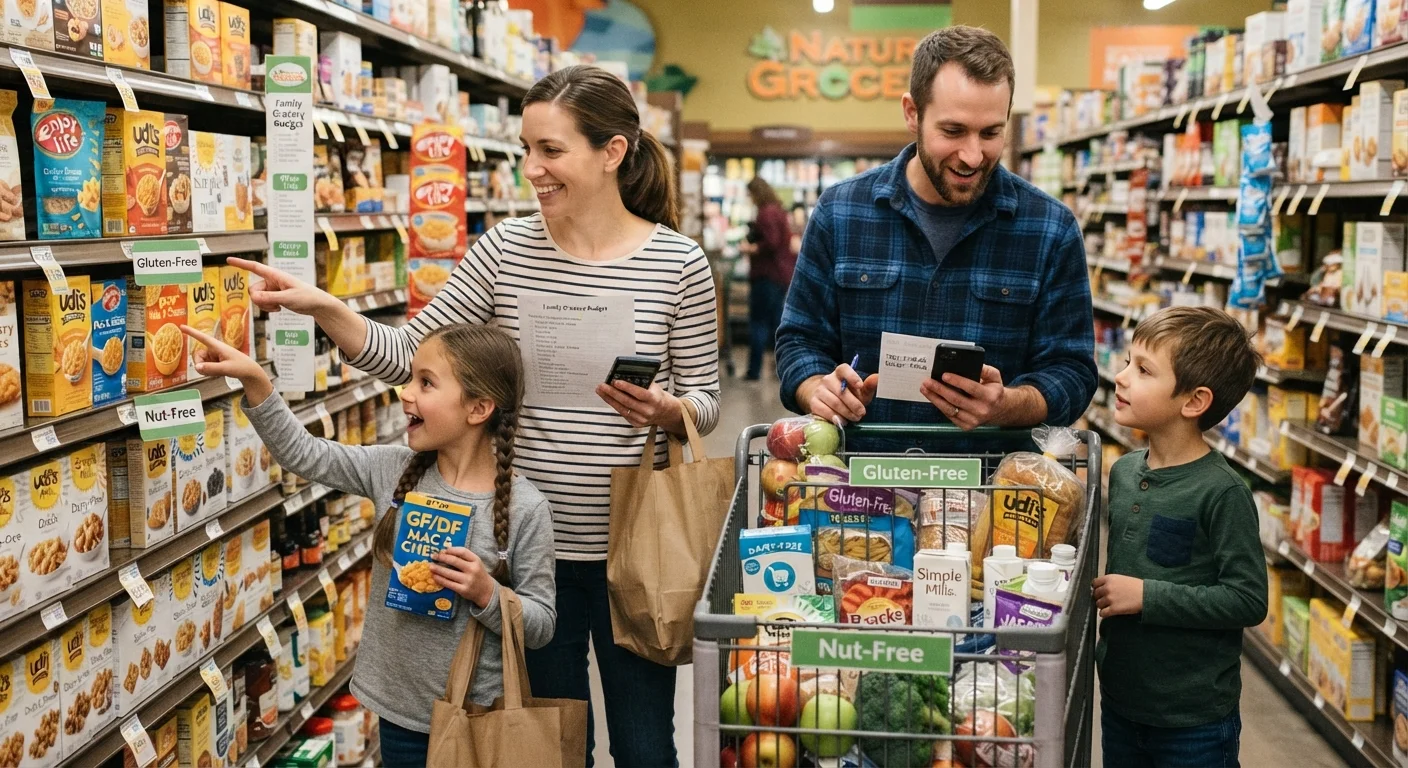
Every ingredient mentioned here, dried and canned beans and lentils, rice, onions, garlic, and common spices, falls under standard SNAP eligibility rules, since they carry a Nutrition Facts label and are meant to be prepared at home. Building a spice collection over time, buying one or two new spices per shopping trip rather than all at once, is a practical way to expand a household's culinary range without a large upfront grocery expense.
Read More Articals
FAQ
Why do beans and rice appear as a staple across so many different cultures?
Together they form a complete protein at a fraction of the cost of meat-centered meals, which is a major reason this pairing developed independently across cuisines worldwide rather than through cultural borrowing alone.
Are international pantry staples like lentils and dried beans SNAP-eligible?
Yes. Dried and canned beans, lentils, rice, and common cooking spices all fall under standard SNAP eligibility rules as groceries meant to be prepared at home.
Do I need expensive specialty ingredients to cook these international dishes?
Generally no. Most of the distinct flavor comes from a small, reusable collection of spices rather than expensive or hard-to-find ingredients.
What's a good way to start expanding a limited spice collection on a budget?
Buying one or two new spices per shopping trip, rather than all at once, gradually builds a versatile collection without a large upfront cost.
Sources: General culinary and nutrition guidance on legume and grain-based global staple dishes.