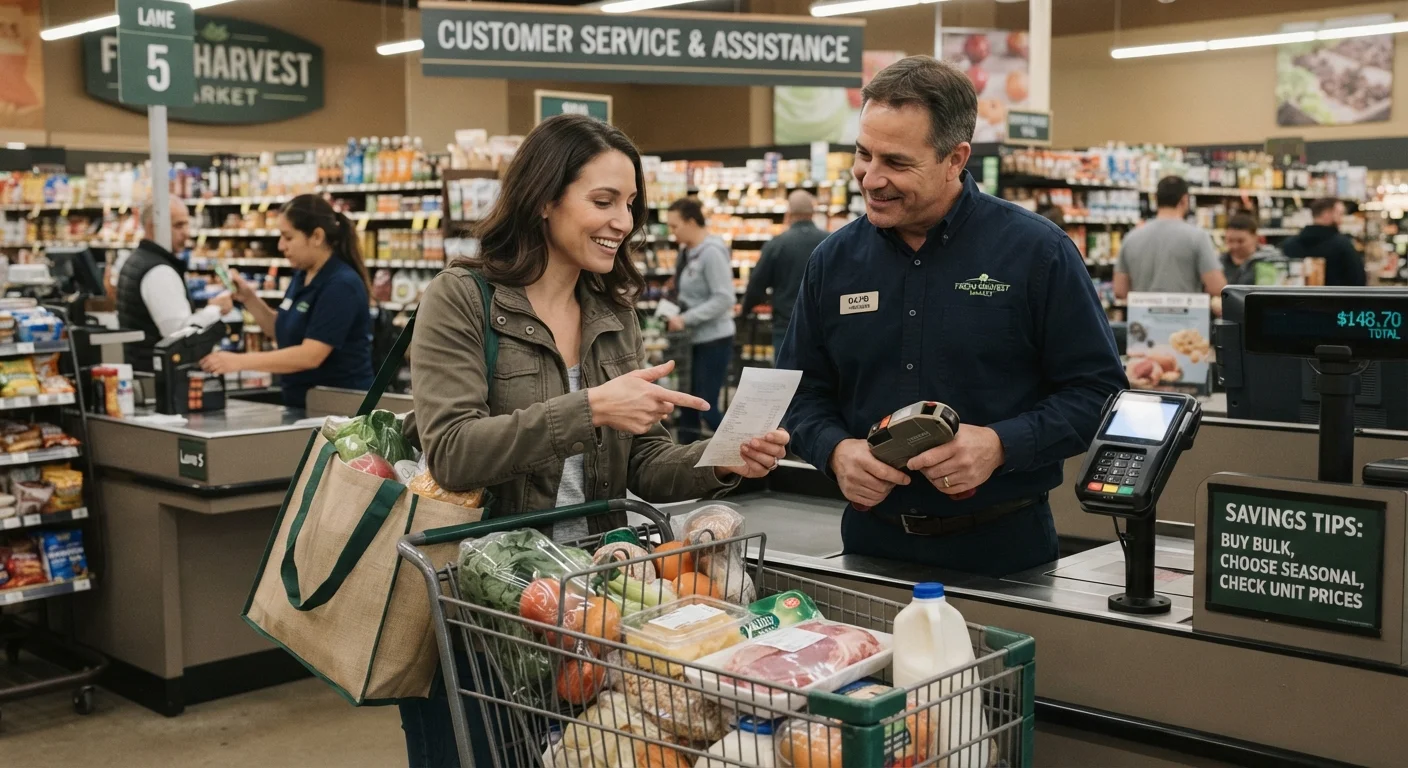
Not every household has the time or interest in tracking coupons, and the good news is coupon clipping isn't the only real lever available for lowering a grocery bill. Asking directly about a price, comparing unit prices, and understanding a store's markdown patterns can all meaningfully reduce a total without a single coupon involved.
This guide is independently written and is not affiliated with USDA, OPM, or the official federal Feds Feed Families campaign.
Ask if an Item Is Getting Marked Down Soon
Store employees, particularly in the meat, bakery, and dairy departments, often know their store's own markdown patterns better than any public schedule, since it's based on that specific location's inventory and expiration dates rather than a chain-wide rule. Politely asking a department employee whether an item will be marked down soon, or when the store typically applies clearance stickers, can occasionally get you either a direct answer or, in some cases, an on-the-spot discount if the item is genuinely close to needing to move.
Ask About a Price Match
- Ask if an Item Is Getting Marked Down Soon
- Ask About a Price Match
- Compare Unit Prices, Not Sticker Prices
- Time Your Shopping Around Known Markdown Patterns
- Ask for a Rain Check
- Buy Discounted Surplus Food
- Split a Bulk Purchase With Someone Else
- Simply Ask a Manager
- FAQ
- Do grocery stores actually offer price matching?
- What is a rain check and how does it help lower a grocery bill?
- Is checking unit price really more effective than clipping coupons?
- Can asking a store employee directly actually result in a discount?
Some grocery stores, though not all, will match a lower advertised price from a local competitor if you show the competitor's current ad, either printed or on your phone. This policy varies enormously by store and isn't always advertised, so it's worth asking a cashier or customer service directly whether your specific store offers this, rather than assuming it either does or doesn't.
Compare Unit Prices, Not Sticker Prices
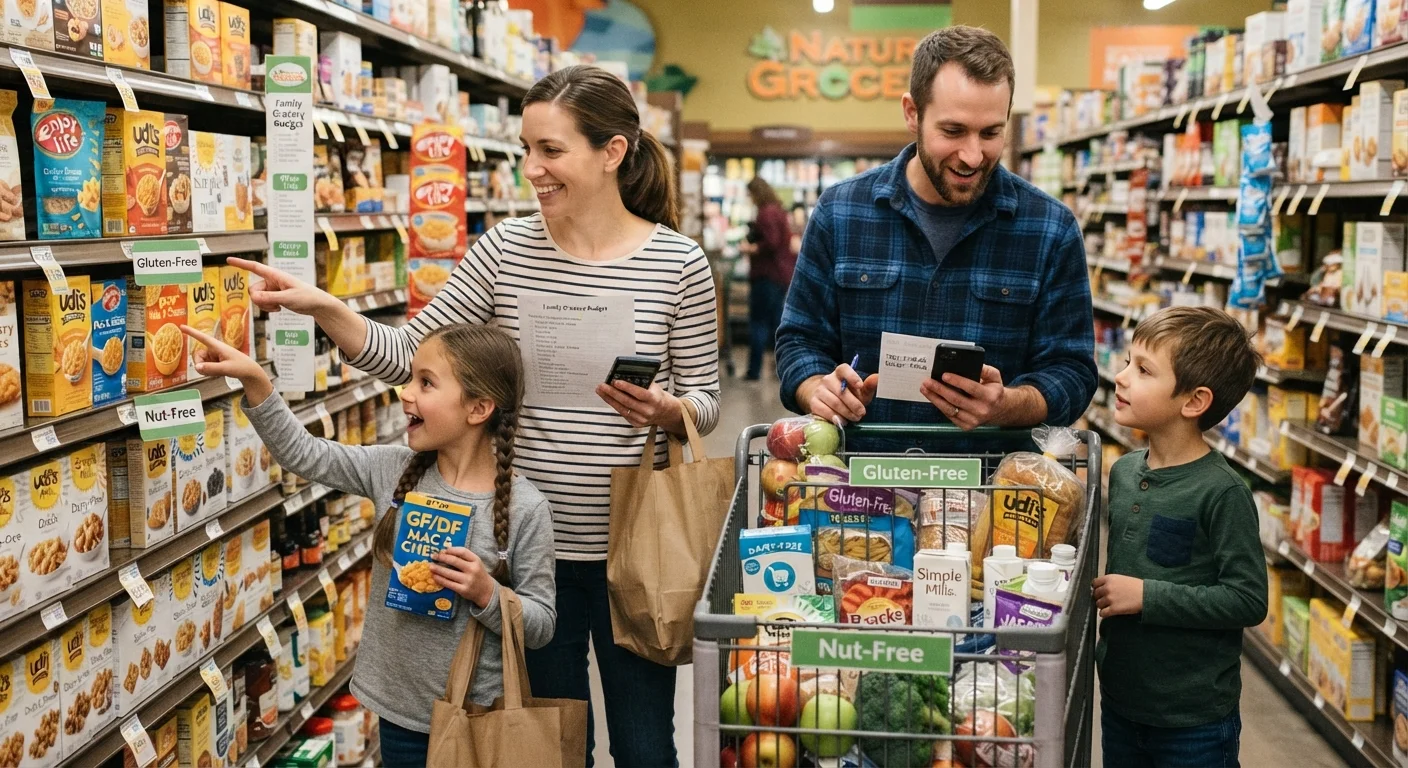
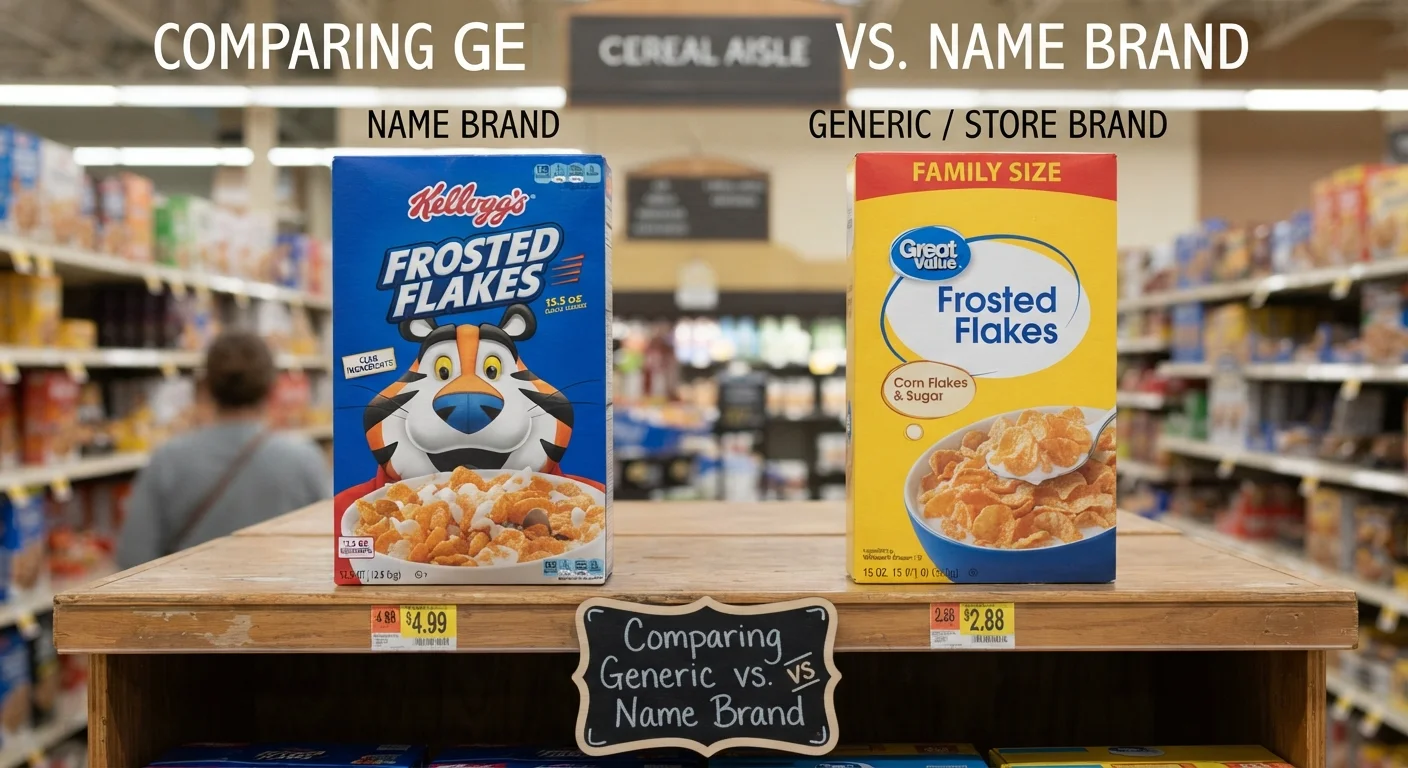
The single most reliable, coupon-free way to ensure you're getting a genuinely good deal is comparing the unit price, the cost per ounce, pound, or another standard measurement, printed on the shelf tag, rather than the total sticker price. This lets you compare two differently sized packages or two different brands fairly, and it works exactly the same whether you're using a coupon or not.
Time Your Shopping Around Known Markdown Patterns
Many stores tend to apply their most significant discounts on perishables during early morning hours, when overnight staff review cold cases for items nearing their sell-by date, and around midweek, when new shipments often prompt clearance of older stock. These patterns vary by individual store rather than following one universal national schedule, so testing a few different visit times at your specific regular store, and simply asking an employee about the store's typical rhythm, is a more reliable approach than assuming a generic schedule applies everywhere.
Recommended Articles
 BUDGETING MEAL PLANNING
 BUDGETING MEAL PLANNING
 BUDGETING MEAL PLANNING
 BUDGETING MEAL PLANNING
Ask for a Rain Check
If an advertised sale item is out of stock when you visit, many stores will offer a rain check, a slip letting you buy that item at the sale price once it's restocked, even after the sale period technically ends. This is worth asking about specifically at the customer service desk, since it isn't always offered automatically.
Buy Discounted Surplus Food
Apps like Too Good To Go and Flashfood let shoppers buy genuinely discounted, near-date surplus food directly from participating grocery stores and bakeries, often at roughly a third of the original price. This is a different mechanism than a traditional coupon, working more like a direct purchase of food a store is trying to move before it would otherwise go to waste.
Split a Bulk Purchase With Someone Else
For a genuinely good bulk unit price on an item your household can't realistically use before it spoils, splitting the purchase with a neighbor, friend, or family member captures much of the bulk savings without the risk of throwing away the unused portion, an approach that works especially well for perishables bought at a warehouse club.
Simply Ask a Manager
For a damaged package, a slightly bruised but otherwise fine piece of produce, or an item close to its sell-by date that hasn't yet been marked down, asking a store manager directly whether a discount is available is a low-effort request that occasionally results in an immediate price reduction, particularly for an item the store would rather sell at a discount than not sell at all.
Read More Articals
FAQ
Do grocery stores actually offer price matching?
Some do, though this policy varies significantly by store and isn't always advertised, so it's worth asking directly rather than assuming your store either offers or doesn't offer this.
What is a rain check and how does it help lower a grocery bill?
A rain check is a slip letting you buy an out-of-stock sale item at the sale price once it's restocked, even after the sale period ends, and it's worth requesting at customer service if a specific sale item is unavailable.
Is checking unit price really more effective than clipping coupons?
It's a different, equally valuable tool, since unit price comparison lets you fairly evaluate two products regardless of package size, and it applies whether or not you're also using a coupon.
Can asking a store employee directly actually result in a discount?
Sometimes, particularly for a damaged package or an item close to its markdown date, since employees and managers occasionally have discretion to apply an immediate discount rather than let an item go unsold.
Sources: General consumer grocery-savings guidance consistent with common retail markdown and price-match practices.