According to USDA estimates, roughly 30 to 40 percent of the food supply in the United States goes to waste, and a significant share of that waste happens at home rather than at the farm or store level, meaning the shopping list, storage habits, and leftovers strategy in an ordinary kitchen have a direct, meaningful effect on how far a grocery budget actually stretches.
This guide is independently written and is not affiliated with USDA, OPM, or the official federal Feds Feed Families campaign.
Start With a List Based on an Actual Meal Plan
The FDA's own food waste guidance recommends writing a shopping list based on specific planned meals for the coming week, checking what's already in the fridge and pantry first, and buying only what's on that list. This single habit addresses one of the most common root causes of household food waste: buying food with vague good intentions rather than an actual plan for how and when it will be used.
Be Careful With Bulk Buying
- Start With a List Based on an Actual Meal Plan
- Be Careful With Bulk Buying
- Practice First In, First Out
- Store Produce the Right Way
- Don't Overlook "Ugly" Produce
- Use Scraps Before Tossing Them
- Have a Leftovers System
- Why This Matters for a Tight Budget
- FAQ
- How much food does the average American household waste?
- Should I avoid buying food in bulk to reduce waste?
- What is the First In, First Out method?
- Can vegetable scraps actually be used for something?
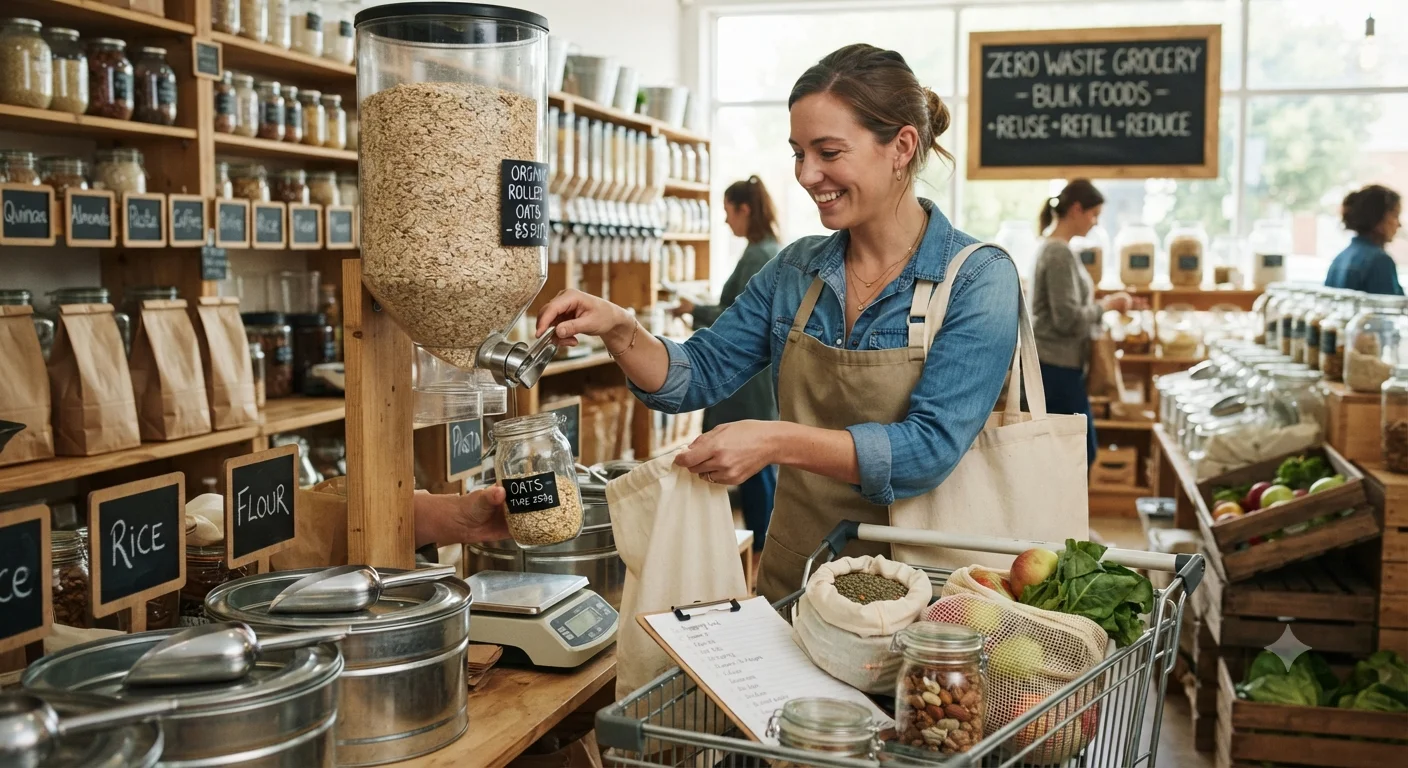
Bulk buying genuinely saves money on shelf-stable staples like rice, pasta, and canned goods, but the FDA specifically cautions against bulk buying perishable items with a limited shelf life unless there's a realistic plan to use the full quantity before it spoils. A large bag of spinach bought because it was a better per-ounce deal is not actually a deal if half of it turns to slime in the crisper drawer before it gets used.
Practice First In, First Out
A simple system borrowed from restaurant kitchens, moving older items to the front of the fridge or pantry and placing newly purchased items behind them, helps ensure food actually gets used before it expires, rather than getting pushed to the back and forgotten. This takes only a few extra seconds during each unpacking session but meaningfully reduces the number of items that quietly go bad unnoticed.
Store Produce the Right Way
Proper storage can significantly extend how long fresh produce actually stays usable. Some reliable habits include:
- Storing fresh herbs like flowers, trimmed and standing in a bit of water, loosely covered in the refrigerator, except basil, which prefers room temperature
- Leaving berries unwashed until just before eating, and storing them in a breathable container lined with a paper towel
- Keeping avocados and bananas at room temperature until ripe, then moving them to the refrigerator to slow further ripening
- Wrapping leafy greens in a dry paper towel inside a sealed bag to absorb excess moisture
Don't Overlook "Ugly" Produce
The FDA specifically recommends buying imperfect or oddly shaped fruits and vegetables when available, since these items are often priced lower and are just as nutritious and safe to eat as their more conventionally shaped counterparts, despite frequently being passed over by other shoppers.
Recommended Articles
 BUDGETING MEAL PLANNING
 BUDGETING MEAL PLANNING
 BUDGETING MEAL PLANNING
 BUDGETING MEAL PLANNING
Use Scraps Before Tossing Them
Vegetable trimmings that would normally go straight into the trash, including broccoli stems, carrot tops, corn cobs, and even a Parmesan rind, can often be repurposed into homemade stock, soup, or a flavor booster for another dish rather than being wasted outright.
Have a Leftovers System
Leftovers are one of the most common sources of avoidable food waste, often because they get pushed to the back of the fridge and forgotten before anyone remembers to eat them. Storing leftovers in clear, labeled containers placed at eye level, and specifically planning one meal a week built around using up whatever leftovers have accumulated, helps ensure previously cooked food actually gets eaten rather than discarded.
Why This Matters for a Tight Budget
Every piece of food that gets thrown away represents money that was already spent and is now gone with nothing to show for it, which makes reducing food waste one of the most direct, if less obvious, ways to make an existing grocery budget stretch further, without needing to find any additional money or cut back on what's actually eaten.
Read More Articals
FAQ
How much food does the average American household waste?
USDA estimates that roughly 30 to 40 percent of the food supply in the United States goes to waste, with a significant share of that occurring at the household level rather than earlier in the supply chain.
Should I avoid buying food in bulk to reduce waste?
Not necessarily, but the FDA recommends being cautious with bulk purchases of perishable items specifically, since shelf-stable staples like rice and canned goods are much lower risk for bulk buying than fresh produce or dairy.
What is the First In, First Out method?
A storage habit borrowed from restaurant kitchens where older groceries are moved to the front of the fridge or pantry and newer purchases are placed behind them, helping ensure food gets used before it expires.
Can vegetable scraps actually be used for something?
Yes. Items like broccoli stems, carrot tops, corn cobs, and cheese rinds can often be saved and used to make homemade stock or add flavor to another dish rather than being thrown away.
Sources: U.S. Food and Drug Administration food waste guidance, USDA food waste estimates, Utah State University Extension food waste research.