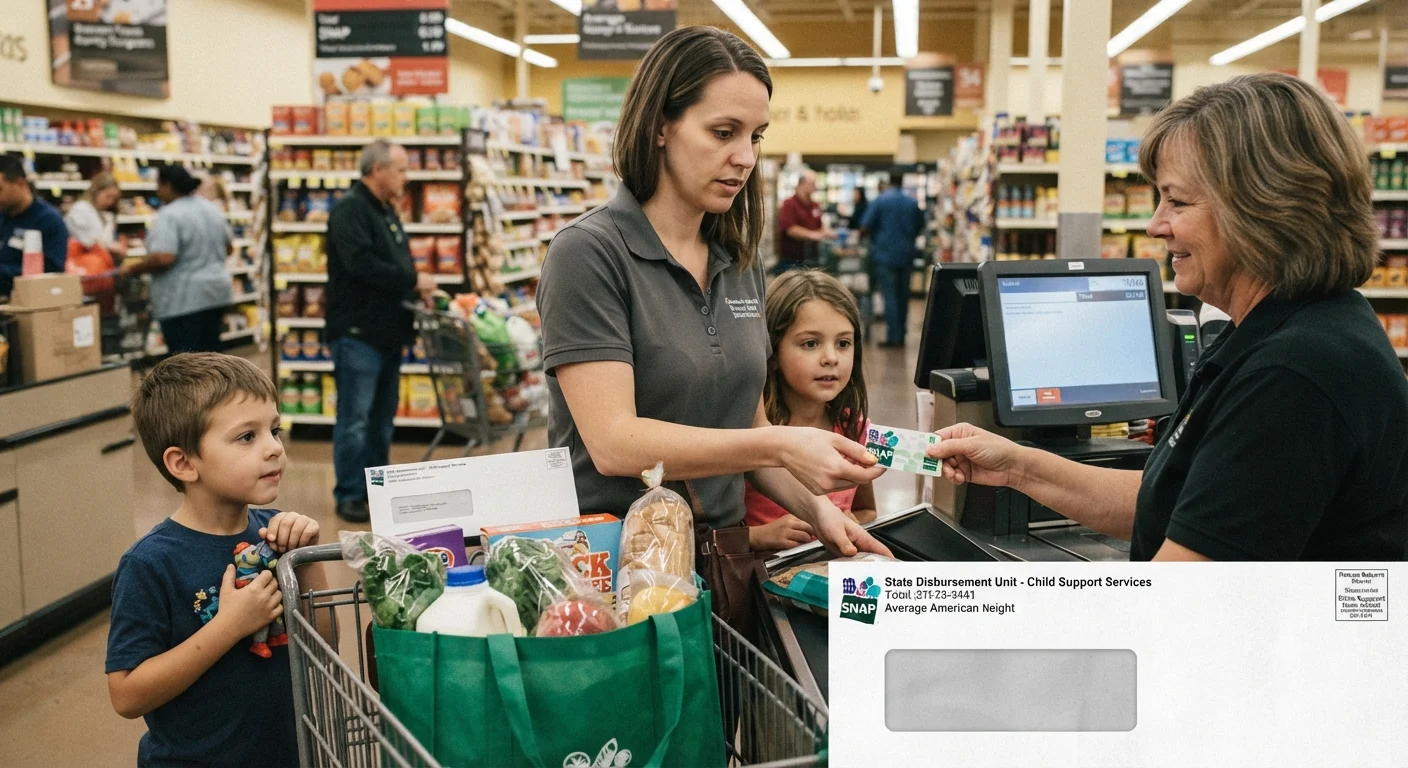
Child support works in two directions when it comes to SNAP: child support you receive generally counts as unearned income and increases your countable income, while court-ordered child support you pay to another household is generally excluded from your gross income calculation, which can lower your countable income and potentially increase your benefit.
This guide is independently written and is not affiliated with USDA, OPM, or the official federal Feds Feed Families campaign.
Child Support You Receive
In most states, child support payments you receive on behalf of a child in your household count as unearned income for SNAP purposes, similar to how Social Security or unemployment income is treated. This means receiving regular child support can raise your household's countable income and, depending on the amount, could reduce your SNAP benefit or affect your eligibility altogether, even though the money itself isn't considered income for federal tax purposes.
Child Support You Pay
- Child Support You Receive
- Child Support You Pay
- Why the Rule Works This Way
- Documentation You'll Need
- State Variations Worth Knowing
- What Counts as "Child Support" for This Purpose
- A Worked Example
- FAQ
- Does child support I receive count as income for SNAP?
- Does child support I pay reduce my countable income for SNAP?
- What documentation do I need to exclude child support I pay?
- Does informal, non-court-ordered child support count the same way?
If you're legally obligated to pay court-ordered child support for a child who isn't part of your SNAP household, that payment is generally excluded from your gross income, and in many states, this reduces both your gross and net income calculations rather than functioning as just a standard net-income deduction. This is a meaningful distinction, since it means a documented child support obligation can help you qualify for SNAP or increase your benefit amount, similar to how a housing or medical expense deduction works.
Why the Rule Works This Way
The underlying logic treats child support paid as money that's genuinely unavailable for your own household's food budget, since it's legally obligated to support a child living elsewhere, which is why it's excluded from your countable income rather than treated as an available resource. Child support received, by contrast, is treated as money genuinely available to your household, similar to any other income source supporting the people you're buying and preparing food with.
Documentation You'll Need
To have child support payments excluded from your gross income, you'll generally need to provide documentation of the court order and proof of actual payment, such as pay stub deductions showing the payment being withheld, or receipts and bank records if you pay directly rather than through wage garnishment. Some states specifically accept pay stubs as sufficient verification if the payment is automatically withheld from your paycheck.
Recommended Articles
 SNAP EBT
 SNAP EBT
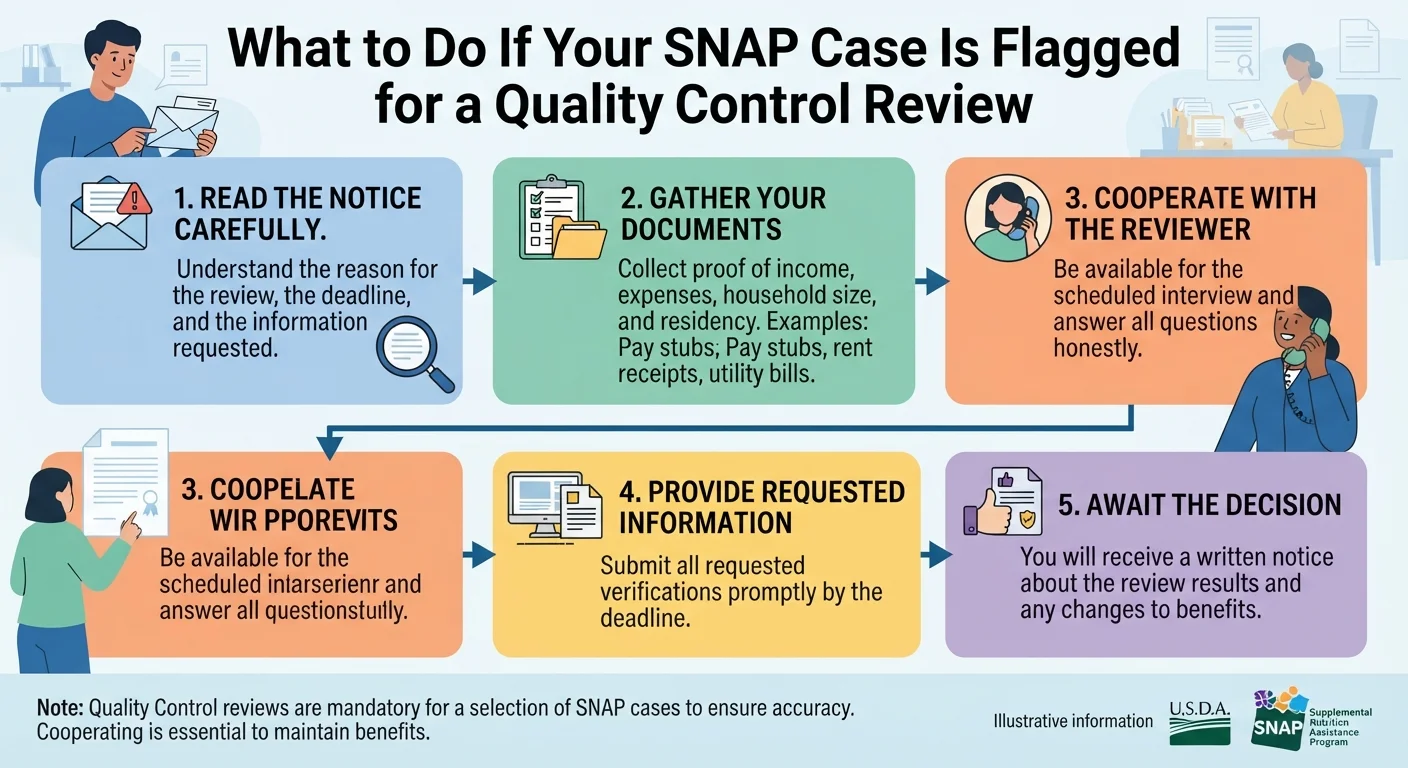 SNAP EBT
 SNAP EBT
State Variations Worth Knowing
While the general federal framework, child support received counts as income and child support paid can be excluded, applies nationally, some states have implemented this slightly differently. A number of states have replaced the traditional child support payment deduction with a straightforward income exclusion instead, which functions similarly in practice but can affect exactly how the calculation is structured on your specific state's application or benefit worksheet.
What Counts as "Child Support" for This Purpose
Generally, this rule applies specifically to court-ordered, legally required child support payments, rather than informal or voluntary financial support between former partners. If your situation involves an informal arrangement rather than a court order, it's worth discussing directly with your caseworker how that specific arrangement should be reported, since it may be treated differently than a formal, documented child support obligation.
A Worked Example
Consider a single adult with $2,169 in gross monthly income who pays $400 a month in court-ordered child support for a child not in their household. Excluding the $400 child support payment brings countable gross income down to $1,769, which can be the difference between passing or failing the gross income test, depending on the applicant's specific household size and state income limit.
Read More Articals
FAQ
Does child support I receive count as income for SNAP?
Generally yes, in most states, child support received is counted as unearned income, which can raise your household's countable income and affect your SNAP benefit.
Does child support I pay reduce my countable income for SNAP?
Yes, generally. Court-ordered child support you pay for a child not in your SNAP household is typically excluded from your gross income, which can help you qualify or increase your benefit.
What documentation do I need to exclude child support I pay?
Proof of the court order and proof of actual payment, such as pay stub deductions showing wage garnishment, or receipts if you pay directly rather than through automatic withholding.
Does informal, non-court-ordered child support count the same way?
Not necessarily. This rule generally applies to legally required, court-ordered child support, so an informal arrangement should be discussed directly with your caseworker to understand how it will be treated.
Sources: Center on Budget and Policy Priorities Quick Guide to SNAP Eligibility and Benefits, Illinois Department of Human Services, New York State SNAP eligibility guidance.