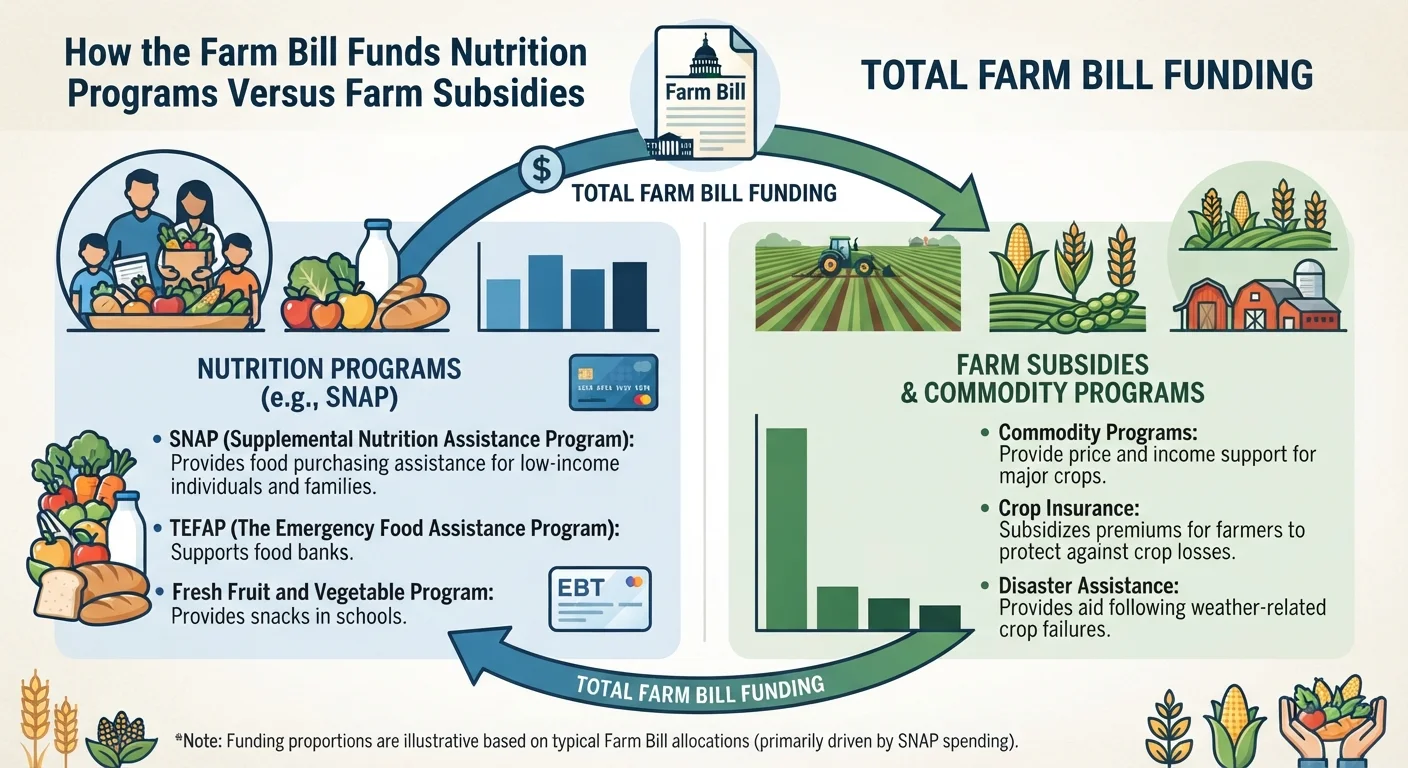
According to the Congressional Budget Office's February 2026 projection, the farm bill's Nutrition title, dominated by SNAP, accounts for approximately 72 percent of total farm bill mandatory spending, nearly $985 billion over the 2027-2036 period, while crop insurance programs make up roughly 11 percent, about $156 billion, over that same span, with the remaining share split across conservation, commodity support, and other agricultural programs.
This guide is independently written and is not affiliated with USDA, OPM, or the official federal Feds Feed Families campaign. This topic involves active political debate, and this article aims to present the facts fairly rather than advocate for a particular position.
Why the Farm Bill Bundles Nutrition and Agriculture Together
The farm bill has historically functioned as a political trade-off between urban and rural lawmakers, with legislators representing city districts generally prioritizing SNAP and other nutrition programs, and legislators representing farm districts generally prioritizing crop insurance and commodity subsidies. Bundling both sets of programs into a single piece of legislation has traditionally made the bill easier to pass, since it requires cooperation across this urban-rural coalition rather than passing nutrition and agriculture funding as entirely separate, standalone bills.
Why SNAP Makes Up Such a Large Share
- Why the Farm Bill Bundles Nutrition and Agriculture Together
- Why SNAP Makes Up Such a Large Share
- What the 2026 Farm Bill Actually Did
- The 7 Billion Question the 2026 Bill Left Unresolved
- New Provisions in the 2026 Farm Bill Worth Knowing
- Why Crop Insurance and Commodity Programs Matter to the Debate
- The Underlying Political Argument, From Both Sides
- FAQ
- What percentage of farm bill spending goes to nutrition programs versus farm subsidies?
- Did the 2026 farm bill cut SNAP funding?
- Is hot food now eligible for SNAP purchases nationwide?
- Why does SNAP make up such a large share of farm bill spending?
SNAP is structured as open-ended mandatory spending, meaning its total cost automatically rises or falls based on how many people actually qualify and participate, rather than being capped at a fixed dollar amount set in advance. In fiscal year 2025, 93 percent of total SNAP spending went directly to household benefits themselves, with the remaining share covering administrative costs shared between states and the federal government, which is a significant part of why nutrition assistance dominates the farm bill's overall spending total.
What the 2026 Farm Bill Actually Did
The House passed its version of the 2026 farm bill, H.R. 7567, by a strongly bipartisan 384-35 vote, reauthorizing SNAP and related nutrition programs through September 30, 2031. According to the Congressional Budget Office, the bill is broadly budget-neutral for nutrition programs, meaning it doesn't add new mandatory nutrition spending, and several SNAP expansions that had been considered in earlier legislative cycles were ultimately left out due to cost concerns and a lack of bipartisan support for that specific spending increase.
The $187 Billion Question the 2026 Bill Left Unresolved
A central point of political tension in the 2026 farm bill debate is that it leaves in place the roughly $187 billion in SNAP-related cuts made by the 2025 budget reconciliation law, commonly called the One Big Beautiful Bill Act, including the state cost-sharing requirement tied to payment error rates and the expanded ABAWD work requirements. Multiple amendments aimed at reversing these specific changes were introduced during the House process, and none of them passed, meaning the 2026 farm bill largely codifies the earlier reconciliation law's changes going forward rather than revisiting them.
Recommended Articles
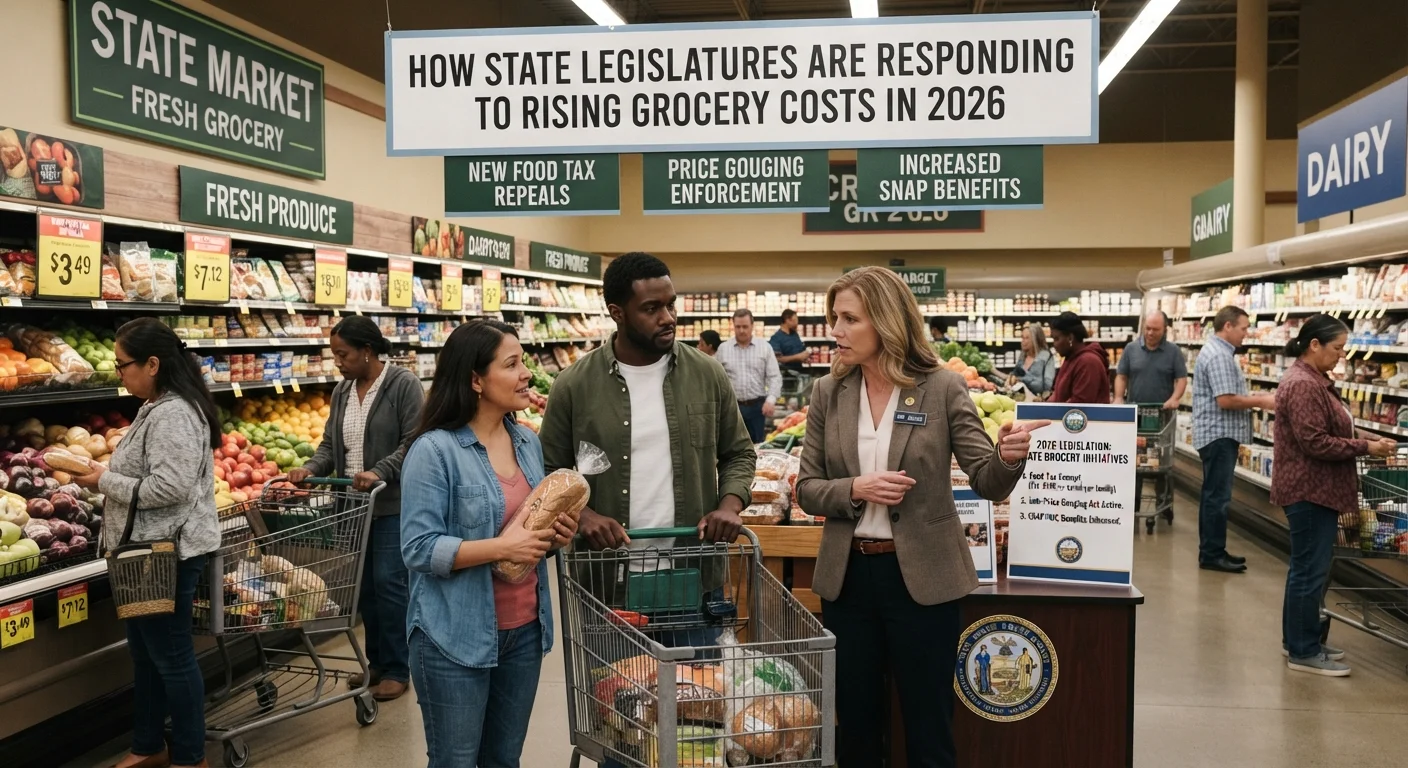 NEWS POLICY UPDATES
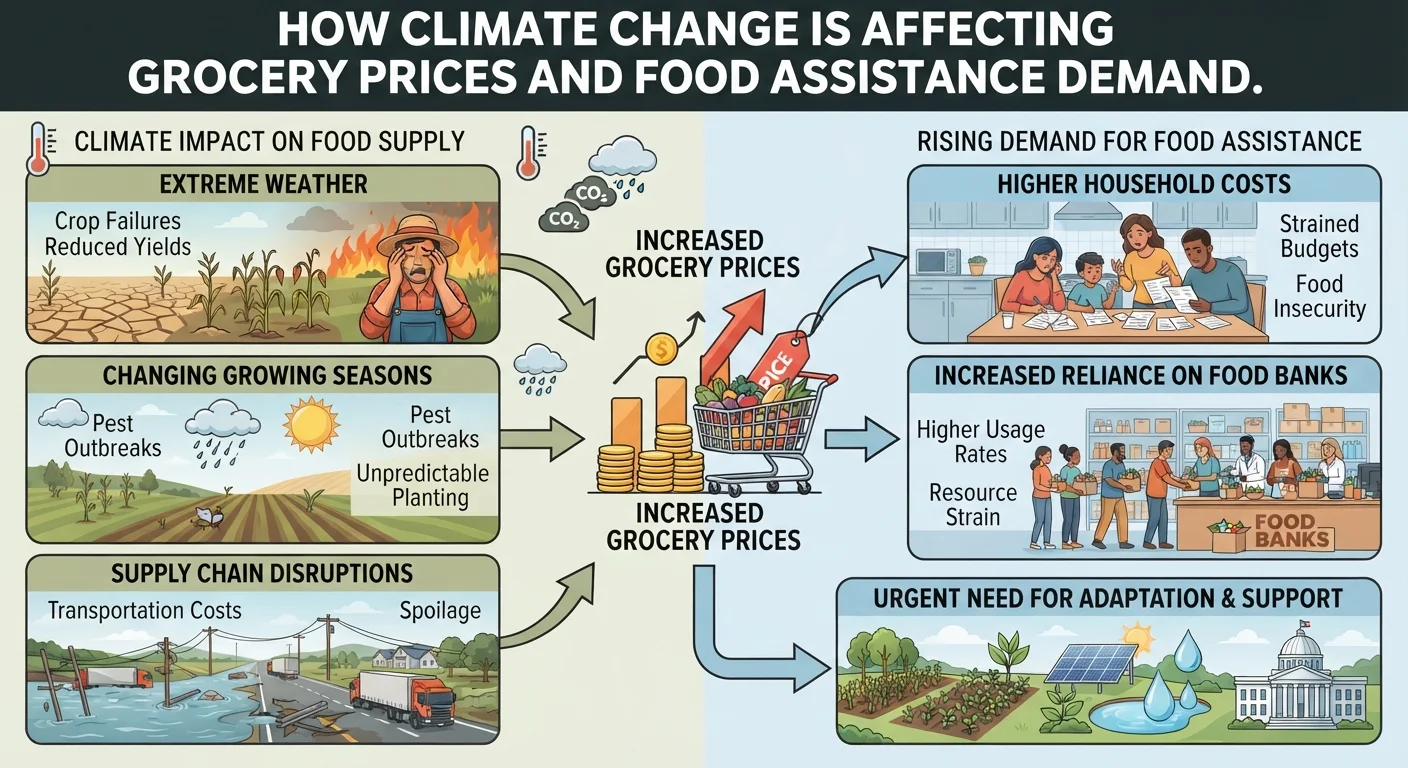 NEWS POLICY UPDATES
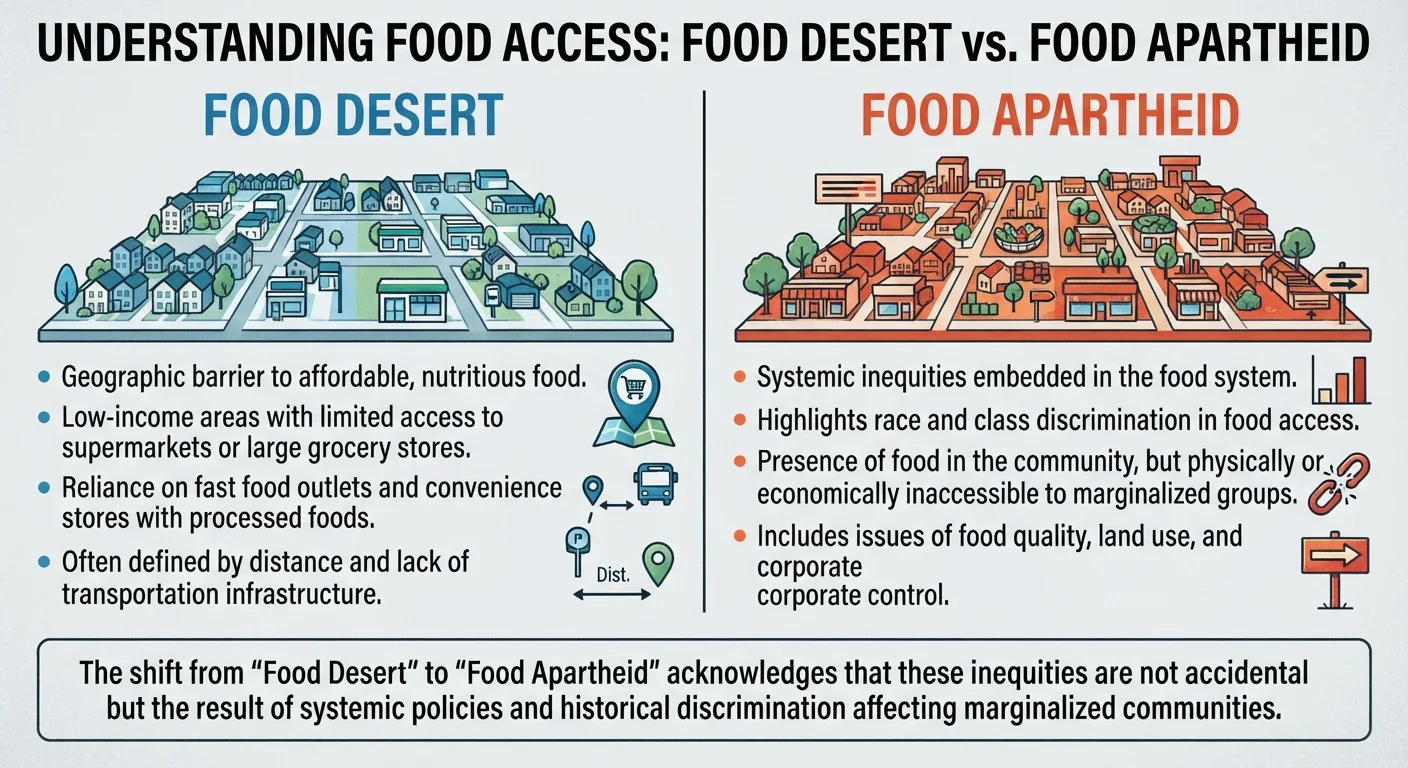 NEWS POLICY UPDATES
 NEWS POLICY UPDATES
New Provisions in the 2026 Farm Bill Worth Knowing
Beyond the broader funding structure, the 2026 farm bill includes several specific new provisions: hot rotisserie chicken becomes SNAP-eligible nationwide, resolving a long-standing state-by-state patchwork around hot food purchases, states gain new authority to outsource SNAP certification operations like income verification to private contractors, and a new program creates grants specifically for procurement and distribution of locally produced food for food banks and similar organizations.
Why Crop Insurance and Commodity Programs Matter to the Debate
On the agricultural side of the farm bill, the 2025 reconciliation law separately raised subsidy rates across different levels of crop insurance coverage, and livestock insurance products specifically have grown to account for roughly 20 percent of total crop insurance program liabilities in 2025, reflecting a broader, ongoing shift in how federal agricultural risk protection is structured alongside the nutrition title's own changes.
The Underlying Political Argument, From Both Sides
Supporters of the current spending balance argue that pairing substantial nutrition assistance with more modest, targeted farm subsidies reflects a reasonable allocation given SNAP's scale, roughly 37 million recipients nationwide, and its function as an economic stabilizer during downturns. Critics of the current SNAP scale argue the program has grown substantially since its early expansion in the 1970s, when there were roughly 4 million recipients nationwide, and that stronger accountability measures, like the new state cost-sharing requirement, are a reasonable response to that growth. Both perspectives reflect genuine, ongoing positions in the current policy debate rather than a settled consensus.
Read More Articals
FAQ
What percentage of farm bill spending goes to nutrition programs versus farm subsidies?
According to CBO's February 2026 projection, nutrition programs, primarily SNAP, account for approximately 72 percent of total farm bill mandatory spending, while crop insurance makes up roughly 11 percent, with the remainder split across other agricultural programs.
Did the 2026 farm bill cut SNAP funding?
The 2026 farm bill itself is broadly budget-neutral for nutrition programs, but it leaves in place the roughly $187 billion in SNAP-related cuts already made by the 2025 budget reconciliation law, since amendments to reverse those cuts did not pass.
Is hot food now eligible for SNAP purchases nationwide?
The 2026 farm bill made hot rotisserie chicken specifically eligible for SNAP purchase nationwide, resolving a previous state-by-state patchwork, though this doesn't extend to hot prepared food generally.
Why does SNAP make up such a large share of farm bill spending?
SNAP is structured as open-ended mandatory spending that automatically adjusts based on actual participation, and 93 percent of its total spending goes directly to household benefits, which together account for its dominant share of overall farm bill costs.
Sources: Congressional Research Service via Congress.gov, USDA Economic Research Service Farm Bill Spending, FoodNavigator-USA.